North Richland Hills, TX · Tarrant County
HVAC Leak Water Removal in North Richland Hills, TXHVAC Drain Line Flood Cleanup & HVAC Cabinet Water Extraction
HVAC Leak Water Removal in North Richland Hills covers AC condensate leak water removal, HVAC cabinet water extraction and emergency HVAC leak cleanup.
Answered 24/7
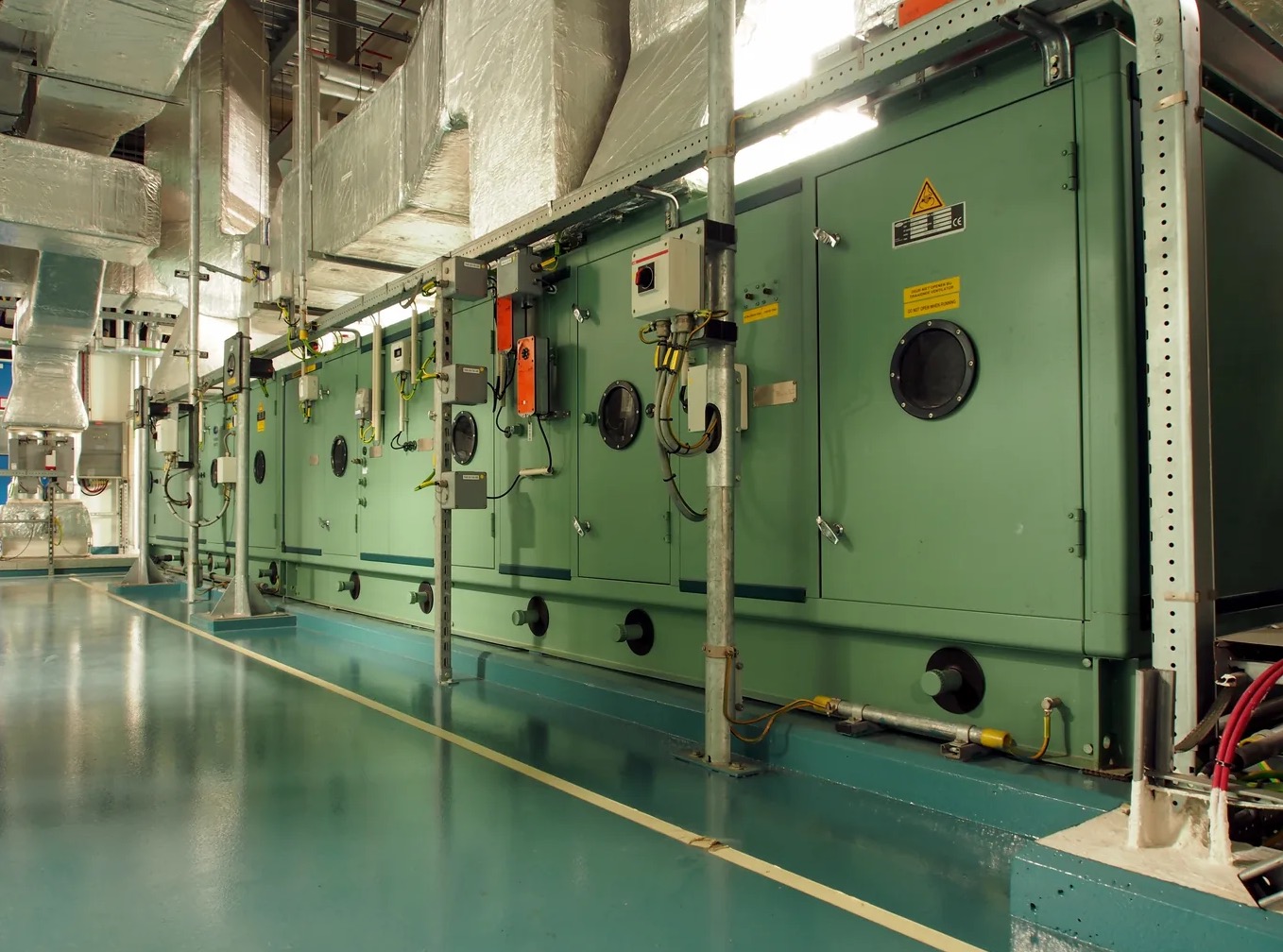
HVAC Leak Water Removal Solutions in North Richland Hills
A leaking coil in North Richland Hills creates two jobs. An HVAC contractor repairs the coil, and the water that already escaped has to be removed and dried.
When an HVAC leak occurs in North Richland Hills, water needs to come out quickly to protect interior finishes and electrical systems. Local water removal pros serve this community and nearby areas like Watauga, Haltom City and Hurst, extracting water around the unit and drying wet ductwork before damage spreads.
Complete HVAC Leak Water Removal Services for North Richland Hills
HVAC Drain Line Flood Cleanup
A completely blocked primary condensate drain line can overflow the secondary pan. Cleanup requires extracting the spilled water and clearing the line.
HVAC Cabinet Water Extraction
Standing water in the cabinet rusts the pan, panels and fasteners. Getting it out early stops that, and the cabinet is dried before the system runs again.
Emergency HVAC Leak Cleanup
An AC leak soaking drywall or flooring triggers emergency cleanup protocols. The pros extract water and begin structural drying.
Moisture Remediation for HVAC Systems
After the water is out, the air in the room is still damp. Dehumidifiers run until humidity is back to normal, which lowers the risk of mold.
Ductwork Condensation Water Removal
Humid air hitting cold metal ductwork makes it sweat and drip. Cleanup means drying the ducts and the drywall, insulation and flooring under them.
Indicators for HVAC Leak Water Removal in North Richland Hills Homes
Mold on Air Handler
Visible mold on the unit, the ducts or nearby drywall usually means water has been there for a while.
Water Damage to Flooring
Warped laminate, cupped hardwood or soaked carpet near the HVAC unit shows the leak has reached the floor.
Stained Ceilings or Walls Near Vents
Stains on drywall or ceilings around supply vents often trace back to ducts that are sweating or leaking.
Visible Rust on Metal Components
Rust forming on the evaporator coil cabinet, drain pan, or supports indicates prolonged moisture exposure.
How HVAC Leak Water Removal Works in North Richland Hills
Step 1: 24/7 Emergency Leak Response
The pros make the area safe, find where the leak started and start removing water.
Step 2: Condensation Leak Repair Focus
The cause, such as a clogged drain line or failed pump, is identified so it can be fixed and the leak does not return.
Step 3: Comprehensive Moisture Remediation
All wet materials are dried, including the hard-to-reach spaces inside walls and ceiling cavities.
Step 4: System Restoration and Testing
Readings confirm the area is dry, and the system can be restarted once the HVAC repair is done.
Common Causes of HVAC Water Damage in North Richland Hills
Refrigerant Leak at the Coil
A pinhole leak in the evaporator coil itself can allow refrigerant and moisture to escape simultaneously.
Improper HVAC System Slope
An air handler or drain line installed without correct pitch prevents gravity-driven water flow to the drain.
High Static Pressure in Ducts
An oversized system or closed vents can upset airflow and drainage, so condensate does not drain as it should.
Worn Gaskets or Seal Failures
Worn seals around access panels or coil sections let water escape the cabinet instead of reaching the pan.
Residential and Commercial HVAC Leak Water Removal in North Richland Hills
Residential HVAC Leak Water Removal
In homes, an AC condensate leak can rot subfloor and baseboards if it is left. The pros dry the tight spaces around the unit and record the damage for insurance.
Commercial HVAC Leak Water Removal
A flooded HVAC unit in a commercial building needs a coordinated response. The pros manage large-volume extraction, coordinate with facility managers, and implement drying protocols.
HVAC Leak Water Removal: DIY or Call Water Damage Pros in North Richland Hills
A hygrometer can show if indoor humidity is too high, and keeping supply vents open helps airflow. If you see mold inside ducts or smell something musty, DIY cleaning will not reach it. Call (972) 736-7408 for drying help.
Factors in HVAC Leak Water Removal Cost for North Richland Hills
The cost of HVAC leak cleanup depends on how easy the unit and ducts are to reach. The amount of wet insulation that has to come out is one of the biggest factors.
Drying Time and Equipment
The number of days ducts and materials take to dry decides how long the dehumidifiers run.
Water Contamination Category
Clean condensate is simpler to handle than dirty overflow from a drain line, which needs extra cleaning.
HVAC System Accessibility
Units in tight closets or attics take more labor to reach, clean around and dry.
Does Insurance Cover HVAC Leak Water Removal?
For HVAC water cleanup, a policy may cover the water damage but not fixing the failed part. The pros document the wet area and the drying, and the insurer makes the coverage decision.
Benefits of Local Pros for HVAC Leak Water Removal in North Richland Hills
Precision Wet Insulation Removal
Wet insulation near the unit is removed so it does not hold water against framing and grow mold.
HVAC-Specific Moisture Detection
Moisture meters and thermal cameras find water in ducts, insulation and cabinets that you cannot see.
Structured Dehumidification Strategy
Air movers and dehumidifiers are placed to dry the cabinet area and nearby walls without blowing water further.
Urgent HVAC Leak Water Removal Response in North Richland Hills
Don't let a flooded HVAC unit compromise your home's air quality or safety. For urgent HVAC system water cleanup, reach the experts at (972) 736-7408.
Call Now (972) 736-7408HVAC Leak Water Removal Coverage for North Richland Hills, Watauga, Haltom City and Hurst
Help with HVAC leak water removal is available in North Richland Hills and nearby Watauga, Haltom City and Hurst, for water from AC units, drain lines and ducts.
- HVAC Leak Water Removal in Watauga
- HVAC Leak Water Removal in Haltom City
- HVAC Leak Water Removal in Hurst
- HVAC Leak Water Removal in Bedford
- HVAC Leak Water Removal in Colleyville
- HVAC Leak Water Removal in Keller
- HVAC Leak Water Removal in Saginaw
- HVAC Leak Water Removal in Southlake
- Emergency Damage Restoration in 76180
- Storm Damage Restoration in 76180
- Water Damage Restoration in 76180
- Water Extraction Service in 76180
- Water Leak Detection in 76180
- Water Removal Service in 76180
- Emergency Damage Restoration in 76182
- Storm Damage Restoration in 76182
Your HVAC Leak Water Removal Questions Answered
What causes an HVAC drain line to flood?
Algae, sludge or debris clog the condensate drain and the pan overflows. A disconnected or cracked drain line can also send water onto the floor.
Can wet insulation near HVAC be saved?
Often, yes. Wet insulation loses its value and is hard to dry in tight spaces, so it is usually removed and replaced once the area is dry.
What are signs of a leaking AC unit indoors?
Water around the indoor unit, stains on nearby walls or ceilings, a musty smell, or the system shutting off because its float switch tripped.
Can I run my AC after a condensation leak?
No. Running the system while it leaks can spread water further and cause electrical shorts.
Why is quick action critical for a flooded HVAC unit?
Water can damage the unit's wiring, rust metal parts and soak into walls and floors, which makes repairs larger and more expensive.