Don’t Let Leaks Drain Your Home’s Value: HVAC Leak Water Removal in Southlake, TX
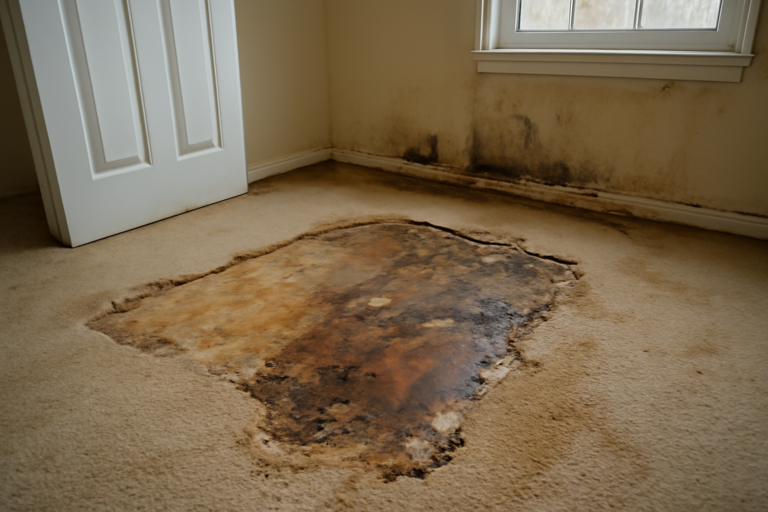
Imagine walking into your home to find a puddle of water spreading from under your air conditioning unit. The musty smell hits you like a punch in the gut, and you can’t shake the feeling that something’s very wrong. Your eyes scan the room, and you spot the source: a burst pipe behind the unit, soaking the insulation and drywall. Your heart sinks as you realize the extent of the damage, and the potential cost to fix it.
We’ve seen it happen to too many homeowners in the area. That’s why it’s crucial to act fast and call a professional to handle the cleanup and restoration. Our team has the expertise and equipment to dry out your home, prevent further damage, and get you back to normal in no time.
- Our expertise in HVAC leak water removal has helped homeowners in the area save thousands of dollars in repairs and replacements.
- We’ll work with you to create a custom drying plan that suits your home’s unique needs.
- Our state-of-the-art equipment ensures a fast and efficient process, reducing downtime and disruption to your daily routine.
The Science Behind Our HVAC Leak Water Removal Process
A proper HVAC leak water removal process is more than just throwing a towel in front of the leak, it’s a carefully calibrated effort to contain, dry, and restore your home. Our team uses specialized equipment to detect moisture levels, identify hidden damage, and develop a customized drying plan tailored to your home’s specific needs.
Step 1: Containment and Moisture Detection
Our technicians will assess the situation and set up a containment system to prevent further water damage. We’ll use moisture meters to identify areas with high water activity and focus on those for drying.
Step 2: Water Extraction
We’ll use specialized pumps and wet vacuums to extract standing water from the affected area, reducing the risk of further damage and promoting a faster drying process.
Step 3: Drying and Dehumidification
Our team will set up dehumidifiers and fans to circulate air, speed up evaporation, and prevent secondary damage from mold and mildew growth.
Step 4: Insulation and Drywall Repair
We’ll inspect and replace damaged insulation and drywall to ensure a safe and healthy living environment, and recommend more repairs or replacements if necessary.
Don’t wait until it’s too late, call us today to schedule an assessment and start the restoration process. Our team is here to help you through this challenging time.

Warning Signs You Need HVAC Leak Water Removal
Hindsight is 20/20, but catching the signs of a potential leak early on can save you thousands of dollars in repairs and replacements. Here are some common warning signs to watch out for:
Musty Odors That Won’t Go Away
That distinctive smell is usually a sign of moisture, mold, or mildew growing in your home. If you can’t pinpoint the source or get rid of the smell using air fresheners or dehumidifiers, it’s time to call a professional.
Water Stains on Ceilings and Walls
Visible water stains can be a sign of a leaky roof, pipe bursting, or HVAC malfunction. Don’t ignore them, address the issue quickly to prevent further damage.
Crackling Sounds from Your AC Unit
Unusual noises from your air conditioning unit can show a refrigerant leak, electrical issue, or worn-out parts. Schedule a maintenance check to avoid costly repairs down the line.
Increased Energy Bills
Spiking energy bills can be a sign of an inefficient HVAC system, clogged air ducts, or a refrigerant leak. Our team can diagnose the issue and recommend fixes to optimize your system’s performance.
Visible Leaks from Your AC Coils
Inspect your AC coils regularly for signs of water damage, corrosion, or mineral buildup. A clogged coil can lead to reduced airflow, increased energy bills, and even system failure.
Unusual Pests in Your Home
Those pesky critters might be attracted to the moisture and food sources in your home. Don’t let them make themselves at home, call a pest control expert to address the issue and seal entry points.
HVAC Leak Water Removal vs. DIY: When to Call a Professional
| Situation | DIY? | Call a Pro? | Why |
|---|---|---|---|
| Small leak behind the AC unit | Yes | No | DIY fixes usually work for minor leaks, and you can save on labor costs. |
| Visible water damage on ceilings and walls | No | Yes | Water damage can be extensive, and DIY fixes may not address the root issue, leading to further damage and costly repairs. |
| Musty odors or mold growth | No | Yes | Mold growth and musty odors need specialized equipment and expertise to address, and DIY fixes can spread the problem further. |
| Crackling sounds from the AC unit | No | Yes | Unusual sounds show a potential refrigerant leak or electrical issue, which needs professional attention to avoid costly repairs and safety hazards. |
Don’t take a DIY approach when dealing with HVAC leak water removal. Our team is equipped to handle the situation, prevent further damage, and get you back on track in no time.
HVAC Leak Water Removal Cost in Southlake, TX
The cost of HVAC leak water removal in Southlake, TX, depends on various factors, including the severity of the leak, the size of the affected area, and the type of equipment used. Our team will assess the situation and provide a customized quote based on your unique needs.
| Service | Typical Price Range | What Affects Cost |
|---|---|---|
| Moisture Detection and Containment | $100 – $500 | The size of the affected area, type of equipment used, and the technician’s expertise. |
| Water Extraction and Drying | $200 – $1,000 | The amount of water extracted, the type of equipment used, and the drying time required. |
| Insulation and Drywall Repair | $300 – $2,000 | The extent of the damage, the type of materials needed, and the labor costs involved. |
| Dehumidification and Ventilation | $100 – $500 | The duration of the dehumidification process, the type of equipment used, and the labor costs involved. |
The final cost will depend on the specifics of your case. We’ll work with you to create a customized plan that suits your budget and needs.
Service Areas Near Southlake, TX
Our team serves the following nearby communities: Arlington, Bedford, Colleyville, Coppell, Dallas, Euless, Flower Mound, Frisco, Grapevine, Irving, Keller, Lewisville, McKinney, Plano, Richardson, Rowlett, and more.
Common Questions About HVAC Leak Water Removal
Is HVAC Leak Water Removal Covered by Insurance?
Yes, most homeowners’ insurance policies cover water damage, including HVAC leak water removal. But, the extent of coverage may vary depending on your policy and the insurance provider. Our team will work with your insurance company to ensure a smooth claims process.
How Long Does HVAC Leak Water Removal Take?
The duration of the process depends on the severity of the leak, the size of the affected area, and the type of equipment used. Typically, it takes 3-5 days to complete the restoration process, but our team will work with you to create a customized plan that suits your needs.
Is HVAC Leak Water Removal Safe for My Family?
Yes, our team takes every precaution to ensure a safe and healthy environment for your family. We use specialized equipment to contain and remove water, and our technicians wear protective gear to prevent exposure to mold and mildew.
Can I Prevent HVAC Leak Water Removal?
Yes, regular maintenance and inspections can help prevent HVAC leak water removal. Our team recommends annual check-ups to ensure your system is functioning properly and identify potential issues before they become major problems.
How Do I Know If I Need HVAC Leak Water Removal?
Look for signs of water damage, musty odors, or unusual sounds from your AC unit. If you notice any of these warning signs, don’t hesitate to call our team for a professional assessment and restoration.