North Richland Hills, TX · Tarrant County
Floodwater Removal in North Richland Hills, TXFlooded Carpet Water Removal & Storm Flood Water Pumping
Professional Floodwater Removal in North Richland Hills covers flooded room drying services, storm flood water pumping, and sewage flood cleanup.
Answered 24/7
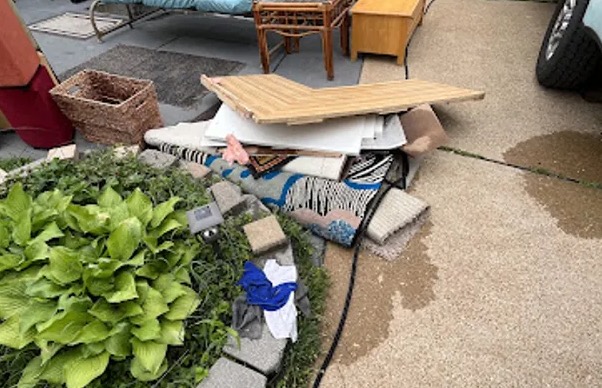
Floodwater Removal Available in North Richland Hills
In North Richland Hills, the goal of floodwater removal is a safe, dry home again. Moisture left after a flood can damage the structure, hurt indoor air and draw pests.
The area's humid subtropical climate with hot summers and spring hailstorms affects how often heavy rain floods homes in North Richland Hills, and how long drying takes afterward. Local flood damage pros pump out storm water and clean up sewage. Homeowners in Watauga, Haltom City and Hurst get the same extraction and drying work.
Floodwater Removal Methods Used in North Richland Hills
Flooded Carpet Water Removal
Wet carpets from flooding are a major concern for indoor air quality. The water removal process uses powerful extraction wands to pull water from the carpet pile and underlying pad.
Storm Flood Water Pumping
Flood damage pros use industrial pumps to clear outdoor and indoor areas, a vital step before detailed water extraction and drying inside the structure can begin effectively.
Flood Damaged Drywall Removal
Wet drywall from flooding typically requires removal. Experts cut away damaged sections above the water line to allow air circulation into wall spaces.
Emergency Flood Damage Mitigation
The first hours after a flood are critical. Emergency mitigation involves water extraction, content removal, and installation of drying equipment to stabilize the property.
Sewage Flood Cleanup
Sewage backups pose serious health risks and require specific protocols. Professionals adhere to strict safety standards to handle Category 3 water damage appropriately.
Indicators That Require Floodwater Removal in North Richland Hills
Bowed or Buckling Flooring
Sagging or soft walls and floors after a flood mean the structure is soaked and needs drying soon.
Mold or Mildew
Mold or mildew after a flood means materials stayed wet too long and need cleanup and drying.
High Indoor Humidity Levels
Indoor humidity that stays high after a flood means drying is not finished.
Musty Odors After a Storm
A musty smell after a flood usually means water is still hiding in walls or under floors.
How Floodwater Removal Works in North Richland Hills
Step 1: Emergency Flood Damage Mitigation
Immediate action by the pros involves containing the water and stopping its flow. Quick action here keeps the repair list shorter.
Step 2: Total Floodwater Pumping
Heavy-duty pumps clear the floodwater from the house before room drying can begin.
Step 3: Deep Drying & Dehumidification
Commercial drying equipment dries the structure deeply so no moisture is left behind.
Step 4: Insurance-Focused Damage Inventory
The scene is documented with notes and photos. Go over them with your insurance adjuster.
Common Causes of Floodwater Damage in North Richland Hills
Natural Waterway Overflow
Rivers, creeks or lakes overflowing their banks can push floodwater into nearby properties.
Landscaping and Grading Issues
Yard grading that slopes toward the building sends storm water at the walls instead of away.
Burst or Leaking Pipes
A burst water pipe can release hundreds of gallons quickly, causing extensive flood damage.
Roof Leaks During Downpours
A damaged roof can let water pour into an attic or upper floors, so water must be removed from several levels.
Home and Business Floodwater Removal in North Richland Hills
Residential Floodwater Removal
Prompt flood cleanup services help maintain a home's structure. The pros start by pumping out and extracting the floodwater.
Commercial Floodwater Removal
Warehouses and similar facilities require aggressive standing water removal. The pros in North Richland Hills use high-capacity equipment for storm flood water pumping and create detailed moisture maps.
The Risks of DIY Floodwater Removal in North Richland Hills
If safe to do so and the water is clean, you can use a wet-dry vacuum or mops to remove small amounts of standing water. Always wear protective gear like gloves and boots.
Understanding Floodwater Removal Cost in North Richland Hills
Floodwater removal cost depends on how much water must be extracted, whether carpet comes out, and how long air movers and dehumidifiers run.
Extent of Standing Water
How much water there is and how many areas are wet decide how long pumping and extraction take.
Additional Restoration Services
Follow-up work like antimicrobial treatment or cleaning contents adds to the total.
Affected Materials and Demolition
Porous materials like drywall and insulation often have to be removed, which adds cost.
Does Insurance Cover Floodwater Removal?
Standard homeowners policies usually exclude flood, which separate flood insurance typically covers. The pros document the damage and the materials removed, but you must confirm coverage limits and deductibles with your own insurer.
The Value of Local Pros for Floodwater Removal in North Richland Hills
IICRC-Standard Water Extraction
Water is removed and dried following industry standards, which helps prevent mold and further damage.
Advanced Moisture Detection
Moisture meters and thermal cameras find hidden dampness in walls and subfloors.
Industrial-Grade Drying Equipment
Air movers and dehumidifiers are set up to dry the home steadily after the flood.
24/7 Emergency Floodwater Removal in North Richland Hills
Emergency flood cleanup starts with a call. For standing water removal and flood damage restoration in North Richland Hills, contact local pros at (972) 736-7408.
Call Now (972) 736-7408Floodwater Removal Service Area Near North Richland Hills
Flood cleanup needs to start early to prevent mold. Floodwater and wet carpet removal are available in North Richland Hills and nearby Watauga, Haltom City and Hurst.
- Floodwater Removal in Watauga
- Floodwater Removal in Haltom City
- Floodwater Removal in Hurst
- Floodwater Removal in Bedford
- Floodwater Removal in Colleyville
- Floodwater Removal in Keller
- Floodwater Removal in Saginaw
- Floodwater Removal in Southlake
- Emergency Damage Restoration in 76180
- Storm Damage Restoration in 76180
- Water Damage Restoration in 76180
- Water Extraction Service in 76180
- Water Leak Detection in 76180
- Water Removal Service in 76180
- Emergency Damage Restoration in 76182
- Storm Damage Restoration in 76182
Frequently Asked Questions About Floodwater Removal
What happens after the floodwater is pumped out?
Drying takes over: equipment is set up, readings are taken each day and any repairs are planned for after the property is dry.
What steps are taken for water trapped beneath flooring?
Extraction tools draw water from subfloors, though sometimes the flooring has to come up so the subfloor can dry.
What should I do before floodwater removal starts?
If it is safe, turn off power to the area, move small valuables and stay out of contaminated water. Do not use wet electronics.
What equipment is used for water extraction service?
Submersible pumps for deep water, truck-mounted or portable extractors for carpet, and air movers and dehumidifiers for drying.
Is storm flood water pumping a typical part of floodwater removal?
Yes. Submersible pumps remove large amounts of standing water after storms, which is the first step in cleanup.