The Colony, TX · Denton County
Basement Water Removal in The Colony, TXBasement Dehumidification & Emergency Basement Flooding
Basement Water Removal in The Colony runs from basement water pump out and basement drying services to basement dehumidification.
Answered 24/7
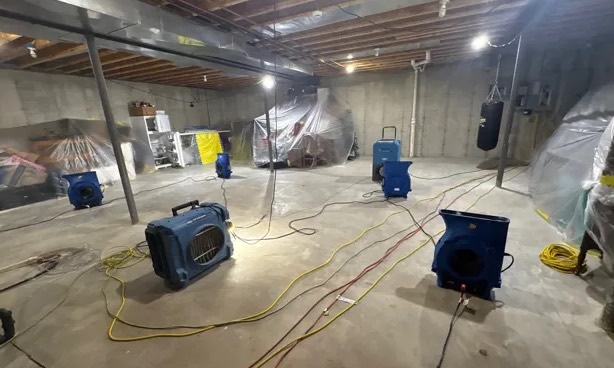
Professional Basement Water Removal in The Colony, TX
Basement Water Removal in The Colony starts with safety. Water near the furnace, water heater or electrical panel can be dangerous, so power is made safe before anyone steps into it.
Few homes in The Colony have basements, so this work usually covers the lowest part of a home: a sunken room, a below-grade garage, a utility room or a crawl space.
In The Colony, when a basement or below-grade room takes on water, it usually follows heavy rain, a sewer backup or a burst pipe. Local basement drying experts serve The Colony, Frisco, Little Elm and Lewisville, pumping water out and drying the space.
Basement Water Removal Services in The Colony
Basement Dehumidification
After drying, a household dehumidifier may still be needed to keep basement humidity in a healthy range.
Emergency Basement Flooding
Emergency response starts with making power safe, stopping the source if possible and pumping out the water.
Basement Drying Services
After pumping, air movers and dehumidifiers dry the walls, framing and slab. Readings are taken daily until every surface is back to normal.
Basement Moisture Inspection
An inspection shows how high water wicked up the walls and how far it spread under flooring, which sets the drying plan.
Basement Water Pump Out
Pumping starts once power to the basement is safe. Deep water goes first, then extractors handle the thin layer left on the floor.
Warning Signs You Need Basement Water Removal
Rusted Appliances or Furniture
Rust on appliance bases, furniture legs or metal shelving points to standing water or long-term dampness.
Gurgling Sounds From Drains
Gurgling floor drains or slow drains can be an early sign of a sewer line problem.
Soggy or Wet Carpeting
Carpet that feels damp or smells sour is holding water in the pad against the concrete.
Standing Water in Basement
Standing water anywhere on the basement floor needs to be pumped out before it soaks the walls.
How Basement Water Removal Works in The Colony
Step 1: First Call and Initial Assessment
The source, the type of water and the depth are checked, and the water level is photographed.
Step 2: Bulk Water and Contaminant Removal
Pumps remove standing water, and carpet, pad or drywall touched by dirty water is removed.
Step 3: Drying With Monitoring
Dehumidifiers and air movers run around the clock, with readings logged every day on walls and slab.
Step 4: Post-Drying Evaluation and Documentation
Final readings and photos are compiled to show the basement is dry and what was removed.
Sources of Basement Water Problems
Heavy Rainfall and Storm Flooding
Heavy rain saturates the soil and pushes water through walls, cracks and the floor joint.
Window Well Leaks and Drainage
Window wells without drains or covers fill with rain and leak through the windows.
Clogged or Damaged Gutters
Clogged gutters and short downspouts dump roof water right next to the foundation.
Sewer Line Backups and Blockages
A blocked sewer line can push wastewater up through basement floor drains and toilets.
House and Business Basement Water Removal in The Colony
Residential Basement Water Removal
Finished basements used as bedrooms or family rooms need careful moisture checks behind walls and under flooring, since that is where water hides.
Commercial Basement Water Removal
Businesses with below-grade storage need wet inventory moved out and documented. Drying is planned around daily operations wherever possible.
Basement Water Removal vs. DIY: When to Call the Pros
Checking appliance hoses and extending downspouts away from the house are good DIY steps before storm season. Once the basement floods, call (972) 736-7408 for help.
Understanding Basement Water Removal Pricing
The pros look at water depth, water type and basement finishes before pricing basement water removal in The Colony, then explain the scope.
Basement Square Footage
Larger basements need more extraction, more drying equipment and more days of drying.
Affected Materials
Finished walls, carpet and laminate take more removal work than bare concrete.
Additional Services
Antimicrobial treatment, contents cleaning and repairs after drying add to the cost.
Does Insurance Cover Basement Water Removal?
Ask your adjuster early how your policy treats seepage and sewer backups, since many policies limit or exclude both kinds of water.
Why The Colony Homeowners Trust Local Pros for Basement Water Removal
Contamination Safety Protocols
Sewage and dirty water are handled with protective gear, containment and disinfection.
Methodical Water Removal Process
Water is removed in a set order: pump-out, extraction, removal of soaked materials, then drying.
Detailed Damage Documentation
Photos, readings and drying logs are kept to support your insurance claim.
24/7 Emergency Basement Water Removal in The Colony
Storm night, weekend or holiday, local basement drying experts handle basement water in The Colony. Call (972) 736-7408 to get pumps running and drying started.
Call Now (972) 736-7408Basement Water Removal Near The Colony: Areas Served
Help with basement water removal is also available in communities near The Colony, including Frisco, Little Elm and Lewisville, for flooded basements and sewer backups.
- Basement Water Removal in Frisco
- Basement Water Removal in Little Elm
- Basement Water Removal in Lewisville
- Basement Water Removal in Lake Dallas
- Basement Water Removal in Highland Village
- Basement Water Removal in Carrollton
- Basement Water Removal in Addison
- Basement Water Removal in Hickory Creek
- Emergency Damage Restoration in 75056
- Storm Damage Restoration in 75056
- Water Damage Restoration in 75056
- Water Extraction Service in 75056
- Water Leak Detection in 75056
- Water Removal Service in 75056
Frequently Asked Basement Water Removal Questions
Can I dry my basement myself with fans?
Fans help with surface water, but walls and concrete need dehumidifiers and readings to dry fully.
How is basement wall drying done?
Wet drywall is cut back, insulation removed and directed airflow and dehumidifiers dry the studs and masonry.
What happens during basement moisture control?
Dehumidifiers and air movers keep humidity low while materials dry, and readings confirm when the space is normal.
What causes basement floor water damage?
Storm seepage, burst pipes, appliance leaks, foundation cracks and sewer backups through floor drains are the usual sources.
What should I do right after basement flooding?
Make power safe, avoid sewage, move belongings above the water, take photos and call for water removal.