Frisco, TX · Collin County
Basement Water Removal in Frisco, TXBasement Water Pump Out & Basement Dehumidification
Basement Water Removal in Frisco runs from basement water pump out and basement drying services to basement dehumidification.
Answered 24/7
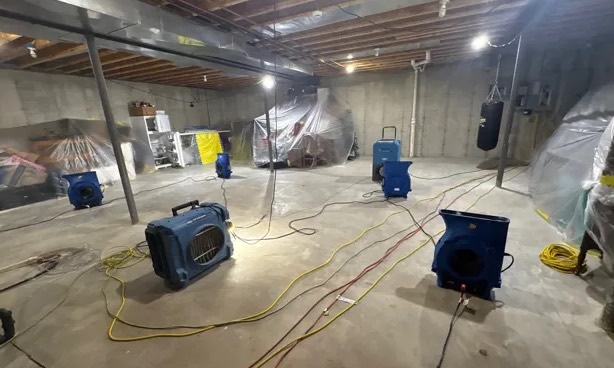
Expert Basement Water Removal in Frisco, The Colony, Prosper and Little Elm
In Frisco homes with a basement or below-grade room, water usually comes from storms, sewer backups or plumbing leaks overhead. The source decides how the water is handled and what can be saved.
Basements are uncommon in Frisco. The same extraction and drying steps apply to slab-level rooms, sunken dens and garages that take on water.
In Frisco, when a basement or below-grade room takes on water, it usually follows heavy rain, a sewer backup or a burst pipe. Local water damage pros serve Frisco, The Colony, Prosper and Little Elm, pumping water out and drying the space.
The Basement Water Removal Process in Frisco
Basement Water Pump Out
A pump-out removes standing water from the basement with submersible pumps, discharging it outside and away from the foundation.
Basement Dehumidification
Large dehumidifiers pull moisture from basement air, which lets walls, framing and the slab release the water they absorbed.
Basement Moisture Inspection
An inspection shows how high water wicked up the walls and how far it spread under flooring, which sets the drying plan.
Basement Wall Drying
Basement walls are checked with moisture meters. Wet drywall is cut back above the water line, and insulation behind it is removed.
Basement Drying Services
Drying plans for basements account for cool air and thick concrete, which hold moisture longer than upper floors.
Indicators You Need Professional Water Removal
Gurgling Sounds From Drains
Gurgling floor drains or slow drains can be an early sign of a sewer line problem.
Rusted Appliances or Furniture
Rust on appliance bases, furniture legs or metal shelving points to standing water or long-term dampness.
Efflorescence on Concrete Walls
White, powdery deposits on concrete walls mean water is passing through the masonry.
Water Stains on Walls or Ceiling
Stains on lower walls or the ceiling below a bathroom or kitchen point to a leak.
How Basement Water Removal Works in Frisco
Step 1: First Call and Initial Assessment
The source, the type of water and the depth are checked, and the water level is photographed.
Step 2: Bulk Water and Contaminant Removal
Pumps remove standing water, and carpet, pad or drywall touched by dirty water is removed.
Step 3: Drying With Monitoring
Dehumidifiers and air movers run around the clock, with readings logged every day on walls and slab.
Step 4: Post-Drying Evaluation and Documentation
Final readings and photos are compiled to show the basement is dry and what was removed.
Common Causes of Basement Water Damage in Frisco
Heavy Rainfall and Storm Flooding
Heavy rain saturates the soil and pushes water through walls, cracks and the floor joint.
Plumbing Leaks or Pipe Bursts
Supply lines, drain pipes and water heaters in the basement can leak or burst onto the floor.
Clogged or Damaged Gutters
Clogged gutters and short downspouts dump roof water right next to the foundation.
Appliance Malfunctions and Overflows
Washers, utility sinks and water softeners in the basement can overflow or leak.
Residential and Commercial Basement Water Removal in Frisco
Residential Basement Water Removal
Older homes with a basement may see seepage with every heavy storm. Water removal handles the current damage, and the entry point is noted for a waterproofing contractor.
Commercial Basement Water Removal
Multi-unit buildings with shared basements need each storage and laundry area pumped, dried and documented for the property manager.
The Risks of DIY Basement Water Removal
You can move belongings up off the floor and run the dehumidifier you already own. Drying soaked walls and slab needs larger equipment and readings to confirm the job is done.
Basement Water Removal Cost in Frisco, TX
Sewage cleanup, finished walls, after-hours calls and damaged appliances all add to the total for basement water removal in Frisco.
Drying Time Required
Basements dry slowly, and each extra day of equipment adds to the total.
Additional Services
Antimicrobial treatment, contents cleaning and repairs after drying add to the cost.
Affected Materials
Finished walls, carpet and laminate take more removal work than bare concrete.
Does Insurance Cover Basement Water Removal?
Photos, moisture readings and drying logs from the pros help support an insurance claim for basement water damage in Frisco.
Advantages of Local Basement Water Removal Experts
Focus on Drying Outcomes
Drying continues until readings are normal, not just until surfaces look dry.
Post-Service Moisture Verification
Final readings are recorded before equipment leaves, so you know the basement is dry.
Detailed Damage Documentation
Photos, readings and drying logs are kept to support your insurance claim.
Emergency Basement Flood Response in Frisco
Storm night, weekend or holiday, the pros handle basement water in Frisco. Call (972) 736-7408 to get pumps running and drying started.
Call Now (972) 736-7408Basement Water Removal Serving Frisco and Surroundings
Help with basement water removal is also available in communities near Frisco, including The Colony, Prosper and Little Elm, for flooded basements and sewer backups.
- Basement Water Removal in The Colony
- Basement Water Removal in Prosper
- Basement Water Removal in Little Elm
- Basement Water Removal in Allen
- Basement Water Removal in Providence Village
- Basement Water Removal in Celina
- Basement Water Removal in Plano
- Basement Water Removal in McKinney
- Emergency Damage Restoration in 75033
- Storm Damage Restoration in 75033
- Water Damage Restoration in 75033
- Water Extraction Service in 75033
- Water Leak Detection in 75033
- Water Removal Service in 75033
- Emergency Damage Restoration in 75034
- Storm Damage Restoration in 75034
Common Basement Water Removal Questions Answered
What is involved in basement water removal?
Making power safe, pumping out standing water, extracting floors and carpet, removing soaked materials and dehumidifying until dry.
How does a basement moisture inspection work?
Moisture meters and thermal cameras check walls, floors and the slab, including behind finished walls and under flooring.
What equipment is used for basement water extraction?
Submersible pumps, extractors, wet vacs, air movers, large dehumidifiers and moisture meters to confirm drying.
What is the difference between a pump out and extraction?
A pump out removes deep standing water. Extraction pulls the remaining water from carpet, pad and floors.
What is emergency basement flooding response?
Help any hour to make power safe, stop the source, pump out water and start drying before more damage sets in.