Watauga, TX · Tarrant County
Warehouse Water Damage Restoration in Watauga, TXWarehouse Flood Water Extraction & Warehouse Inventory Water Damage
Warehouse Water Damage Restoration in Watauga provides warehouse mold remediation, warehouse floor water removal, and warehouse leak detection repair.
Answered 24/7
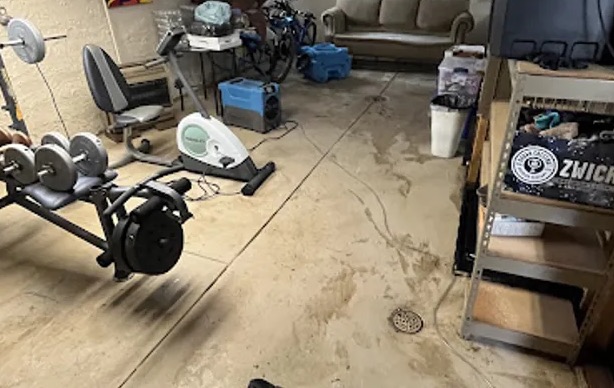
Warehouse Water Damage Restoration Solutions in Watauga, Texas
Untreated water damage in warehouses can weaken floors, damage stored goods, and create hazardous mold, posing significant business risks. Local warehouse water extraction pros prioritize action, initiating warehouse water damage cleanup and moisture removal to limit secondary damage.
In Watauga, warehouse floods need large-volume extraction and drying. Local pros dry and clean the building, including mold removal, and also serve North Richland Hills, Haltom City and Keller.
Warehouse Water Damage Restoration Process for Watauga Warehouses
Warehouse Flood Water Extraction
High-volume extractors clear standing water from large warehouse floors fast. The pros in Watauga work to protect stock and the structure.
Warehouse Inventory Water Damage
When warehouse inventory gets wet, content restoration efforts begin. Techniques are selected based on material type, aiming to clean and dry goods where possible.
Warehouse Equipment Drying
Warehouse equipment drying evaluates machinery to prevent corrosion. Controlled drying of electrical systems and forklifts helps avoid costly replacements.
Warehouse Leak Detection Repair
Warehouse leak detection repair finds the water source at roofing, plumbing, or doors. Temporary repairs stop further entry so drying can proceed.
Warehouse Structural Drying
Desiccant dehumidifiers and high-velocity air movers dry the walls, framing and slab. Local pros monitor readings until the building is dry.
Common Red Flags for Warehouse Water Damage Restoration
Visible Mold Growth
Dark spots on walls, ceilings or goods point to a moisture problem and possible mold.
Soggy Insulation Overhead
Wet, sagging insulation in ceiling bays loses R-value and can lead to collapse.
Water Stains on Walls
Discolored streaks or rings on interior walls reveal past or active leaks in the warehouse.
Active Leak or Dripping
Water coming from a roof, pipe or fixture needs the leak found and stopped now.
How Warehouse Water Damage Restoration Works in Watauga
Step 1: Flood Water Removal
The first response involves warehouse flood water extraction using truck-mounted or portable systems to clear aisles and work areas of bulk water.
Step 2: Comprehensive Moisture Mapping
Pros use sensors to map moisture levels throughout the warehouse, identifying wet spots in floors and walls to guide the warehouse drying services plan.
Step 3: Targeted Equipment Drying
Machinery and electrical panels near the water get focused drying to limit corrosion and electrical damage.
Step 4: Sanitization and Air Scrubbing
If needed, the area is sanitized, and air scrubbers remove particulates and odors, completing the warehouse water damage cleanup and restoring air quality.
Common Causes of Warehouse Water Damage
Roof Leaks and Penetrations
Damaged roofing, failed seals around vents or skylights, and storm damage allow water into warehouse spaces.
Sprinkler System Malfunction
Accidental discharge, a faulty head, or a broken pipe in fire suppression systems causes major flooding.
Process Equipment Leaks
Cooling lines, hydraulic systems, or wash-down stations can develop leaks, creating localized water damage.
Plumbing Supply Line Breaks
A burst pipe in restrooms, break rooms, or process water lines leads to significant water loss.
Warehouse and Commercial Warehouse Water Damage Restoration
Residential Water Damage Restoration
Homeowners with pole barns or large outbuildings used for hobbies or business storage benefit from warehouse water removal methods when a leak soaks flooring and stored belongings, preventing mold growth.
Warehouse Water Damage Restoration
An active warehouse leak repair must address not just the water source but also the potential for corrosion on steel supports and damage to sensitive electronics controlling automation.
The Risks of DIY Warehouse Water Damage Restoration in Watauga
Using a wet/dry shop vac on a small, isolated puddle on a sealed concrete floor might be manageable. For widespread warehouse floor water removal or moisture in porous concrete, professional-grade extractors and drying systems are necessary.
What Affects Warehouse Water Damage Restoration Pricing
Commercial water extraction pricing in Watauga considers the number of affected warehouse zones, the type of flooring materials, and any post-extraction sanitation needs for the space.
Water Volume and Source
Clean water from a broken pipe costs less to extract than contaminated flood water requiring advanced sanitation procedures in the warehouse.
Warehouse Square Footage
Larger wet areas take more equipment and labor hours to extract and dry.
Access and Complexity
Multi-level racking, confined machinery spaces, or high ceilings can complicate water removal and drying, increasing labor and equipment needs.
Does Insurance Cover Warehouse Water Damage Restoration?
Coverage for warehouse water damage depends on the policy's terms and the cause of the water loss. The pros record damage with photos and moisture readings, and your insurer makes all coverage decisions.
Why Watauga Trusts Local Warehouse Water Extraction Pros
Floor Water Removal
Effective warehouse floor water removal addresses both surface water and moisture trapped below the surface or in subflooring materials.
Inventory Damage Mitigation
Pros prioritize protecting salvageable goods through careful water removal, controlled drying environments, and coordination for off-site restoration if needed.
Mold Prevention Focus
Rapid water removal and thorough drying are the primary methods the pros use to help prevent mold growth after a flood.
24/7 Emergency Warehouse Water Damage Restoration in Watauga
Stop warehouse water damage from spreading to other areas of the facility by calling for professional help. Reach the specialists at (972) 736-7408 for a 24/7 emergency response to begin water removal and drying.
Call Now (972) 736-7408Warehouse Water Damage Restoration Near Watauga: Areas Served
Warehouse water damage restoration is available in Watauga, and communities including North Richland Hills, Haltom City and Keller, for roof leaks, floods and structural drying.
- Warehouse Water Damage Restoration in North Richland Hills
- Warehouse Water Damage Restoration in Haltom City
- Warehouse Water Damage Restoration in Keller
- Warehouse Water Damage Restoration in Hurst
- Warehouse Water Damage Restoration in Colleyville
- Warehouse Water Damage Restoration in Saginaw
- Warehouse Water Damage Restoration in Bedford
- Warehouse Water Damage Restoration in Southlake
- Emergency Damage Restoration in 76137
- Storm Damage Restoration in 76137
- Water Damage Restoration in 76137
- Water Extraction Service in 76137
- Water Leak Detection in 76137
- Water Removal Service in 76137
- Emergency Damage Restoration in 76148
- Storm Damage Restoration in 76148
Common Warehouse Water Damage Restoration Queries
How do pros handle warehouse flood water extraction?
They use truck-mounted or industrial portable extractors to remove bulk water, followed by detailing to pull water from cracks and crevices.
What's included in warehouse water damage cleanup?
Cleanup encompasses water extraction, debris removal, surface sanitization of affected areas, and odor control measures after the primary structural drying phase is complete.
Is warehouse equipment drying different from structural drying?
Yes, it often requires specific techniques like controlled low-heat drying, corrosion inhibitors, and electrical testing to protect machinery after water exposure.
What records are kept for warehouse water damage repair?
The pros document the process with photos, moisture reading logs, equipment logs, and detailed notes for your records and any insurance claim.
Why is quick action crucial for warehouse water removal?
The longer water sits, the deeper it penetrates concrete, drywall, and stored goods. This increases damage to inventory, equipment, and the building's structural components over time.