Saginaw, TX · Tarrant County
Warehouse Water Damage Restoration in Saginaw, TXWarehouse Floor Water Removal & Warehouse Flood Water Extraction
Warehouse Water Damage Restoration in Saginaw provides warehouse mold remediation, warehouse floor water removal, and warehouse leak detection repair.
Answered 24/7
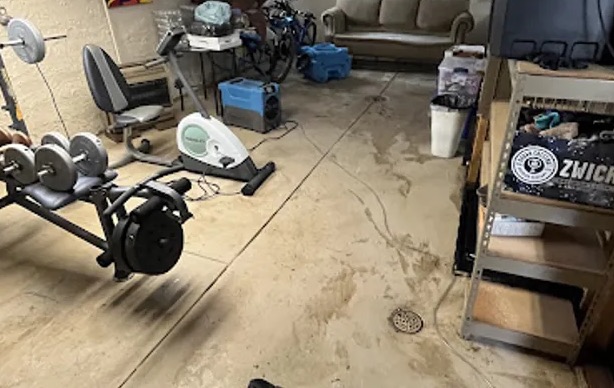
Warehouse Water Damage Restoration Solutions in Saginaw, Texas
In Saginaw, warehouse water damage can mean long downtime and structural problems. Local pros respond day or night with industrial extraction and drying equipment.
Warehouse water damage restoration is a critical service for industrial and storage facilities in Saginaw, where water intrusion can halt operations and damage valuable stock. Local warehouse water damage pros provide warehouse flood water extraction and structural drying to restore functionality, serving businesses here and in nearby areas like Sansom Park, Watauga and Haltom City.
Key Warehouse Water Damage Restoration Procedures
Warehouse Floor Water Removal
Pros use specialized equipment to pull trapped moisture from concrete and sealed floors before mold or slab damage sets in.
Warehouse Flood Water Extraction
High-volume extractors clear standing water from large warehouse floors fast. The pros in Saginaw work to protect stock and the structure.
Warehouse Mold Remediation
Warehouse mold remediation contains growth on walls or materials. Contaminated porous items are removed, and surfaces are cleaned.
Warehouse Equipment Drying
Warehouse equipment drying evaluates machinery to prevent corrosion. Controlled drying of electrical systems and forklifts helps avoid costly replacements.
Warehouse Leak Detection Repair
Warehouse leak detection repair finds the water source at roofing, plumbing, or doors. Temporary repairs stop further entry so drying can proceed.
Warning Signs You Need Warehouse Water Damage Restoration
Active Leak or Dripping
Water coming from a roof, pipe or fixture needs the leak found and stopped now.
Damp Inventory or Materials
Wet boxes, soggy pallets or damp raw materials mean water is reaching your inventory.
Peeling Paint or Rust
Paint blistering or accelerated rust on structural steel are clear signs of excess warehouse moisture.
Wet Electrical Components
Any moisture near panels, conduits, or outlets is an immediate safety hazard for warehouse operations.
How Warehouse Water Damage Restoration Works in Saginaw
Step 1: Flood Water Removal
The first response involves warehouse flood water extraction using truck-mounted or portable systems to clear aisles and work areas of bulk water.
Step 2: Comprehensive Moisture Mapping
Pros use sensors to map moisture levels throughout the warehouse, identifying wet spots in floors and walls to guide the warehouse drying services plan.
Step 3: Targeted Equipment Drying
Machinery and electrical panels near the water get focused drying to limit corrosion and electrical damage.
Step 4: Sanitization and Air Scrubbing
If needed, the area is sanitized, and air scrubbers remove particulates and odors, completing the warehouse water damage cleanup and restoring air quality.
What Causes Warehouse Flooding in Saginaw
HVAC Condensate Line Failure
Clogged or disconnected drain lines from large commercial units can flood warehouse floors quickly.
Stormwater and Flood Intrusion
Heavy rain can overwhelm drains or seep under doors, leading to warehouse flood damage.
Roof Leaks and Penetrations
Damaged roofing, failed seals around vents or skylights, and storm damage allow water into warehouse spaces.
Foundation or Slab Leaks
Cracks in the slab or foundation walls let groundwater seep into the warehouse.
Warehouse and Commercial Warehouse Water Damage Restoration
Residential Water Damage Restoration
Homeowners with pole barns or large outbuildings used for hobbies or business storage benefit from warehouse water removal methods when a leak soaks flooring and stored belongings, preventing mold growth.
Warehouse Water Damage Restoration
An active warehouse leak repair must address not just the water source but also the potential for corrosion on steel supports and damage to sensitive electronics controlling automation.
The Risks of DIY Warehouse Water Damage Restoration in Saginaw
If safe to do so, you can attempt to stop the water source by shutting off the main supply valve or placing a bucket under a small, accessible leak. However, for any significant warehouse flood cleanup, you should call the pros to prevent escalation.
Investing in Warehouse Water Damage Restoration for Saginaw
Estimating warehouse water damage repair expenses involves assessing damage to racking systems, machinery, and electrical panels. This assessment happens alongside the core restoration work on the building envelope.
Inventory and Equipment Damage
Costs go up when stored goods or machinery got wet and need drying, cleaning or corrosion control.
Mold Remediation Needs
If secondary mold growth is present, the project scope expands to include containment, removal, and air scrubbing, adding to the cost.
Access and Complexity
Multi-level racking, confined machinery spaces, or high ceilings can complicate water removal and drying, increasing labor and equipment needs.
Does Insurance Cover Warehouse Water Damage Restoration?
For warehouse flood damage, ask your insurer whether the policy covers business interruption, damaged inventory or equipment replacement. The pros document all damage with photos and moisture readings.
Benefits of Local Warehouse Restoration Experts in Saginaw
Floor Water Removal
Effective warehouse floor water removal addresses both surface water and moisture trapped below the surface or in subflooring materials.
Industrial-Grade Equipment
Warehouse flood cleanup requires truck-mounted extractors, industrial dehumidifiers, and high-volume air movers designed for large-scale commercial spaces.
Moisture Documentation
Detailed logs of moisture readings before, during, and after restoration provide a clear record for your reference and any insurance requirements.
24/7 Emergency Warehouse Water Damage Restoration in Saginaw
For immediate warehouse water damage restoration in Saginaw TX, call (972) 736-7408 now. Quick action can limit structural damage, inventory loss, and secondary issues like mold.
Call Now (972) 736-7408Warehouse Water Damage Restoration for Saginaw and Nearby Communities
Local warehouse water damage restoration is available for properties in Saginaw, along with nearby places like Sansom Park, Watauga and Haltom City, providing industrial-scale flood response.
- Warehouse Water Damage Restoration in Sansom Park
- Warehouse Water Damage Restoration in Watauga
- Warehouse Water Damage Restoration in Haltom City
- Warehouse Water Damage Restoration in North Richland Hills
- Warehouse Water Damage Restoration in White Settlement
- Warehouse Water Damage Restoration in Keller
- Warehouse Water Damage Restoration in Hurst
- Warehouse Water Damage Restoration in Colleyville
- Emergency Damage Restoration in 76131
- Storm Damage Restoration in 76131
- Water Damage Restoration in 76131
- Water Extraction Service in 76131
- Water Leak Detection in 76131
- Water Removal Service in 76131
- Emergency Damage Restoration in 76179
- Storm Damage Restoration in 76179
FAQ for Local Pros
What causes warehouse leaks needing detection and repair?
Common sources include roof failures, compromised siding or cladding, sealant failures around doors and loading docks, or plumbing issues within the warehouse's utility infrastructure.
Who decides what warehouse inventory is salvageable after flooding?
The warehouse owner or manager, often in consultation with their insurer and the pros assessing the damage, makes those final decisions.
Does warehouse water damage always lead to mold?
Not always, but mold spores are everywhere; and thorough drying is the most effective way to help prevent them from germinating and growing.
How fast should warehouse flood damage be addressed?
Quick action is critical to minimize structural warping, inventory loss, and mold growth; water removal should begin within the first 24 hours.
Why is warehouse floor water removal challenging?
Water soaks into concrete, so slabs take longer to dry and need dehumidifiers and readings to confirm.