Sunnyvale, TX · Dallas County
Warehouse Water Damage Restoration in Sunnyvale, TXWarehouse Flood Water Extraction & Warehouse Floor Water Removal
Warehouse Water Damage Restoration in Sunnyvale addresses warehouse flood water extraction, warehouse structural drying, and warehouse inventory water damage to protect assets.
Answered 24/7
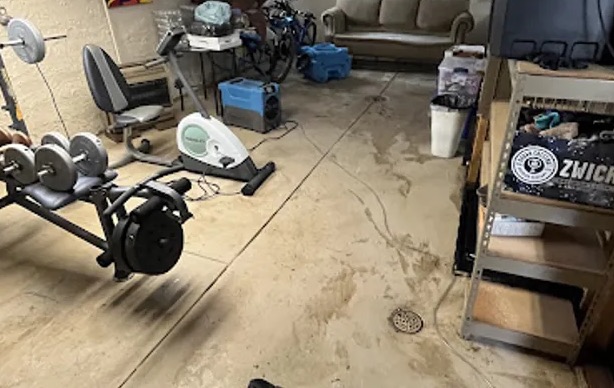
Professional Warehouse Water Damage Restoration in Sunnyvale, TX
Warehouse water damage, if left unaddressed, can lead to floor failure, rusted machinery, and widespread mold contamination, endangering both property and personnel.
Warehouse water damage restoration is a critical service for industrial and storage facilities in Sunnyvale, where water intrusion can halt operations and damage valuable stock. Local warehouse water damage pros provide warehouse flood water extraction and structural drying to restore functionality, serving businesses here and in nearby areas like Mesquite, Heath and Balch Springs.
Key Warehouse Water Damage Restoration Procedures
Warehouse Flood Water Extraction
Immediate warehouse flood water extraction removes standing water using high-capacity pumps. Early action helps prevent secondary damage to inventory and the building structure. The pros in Sunnyvale prioritize this first step.
Warehouse Floor Water Removal
Pros use specialized equipment to pull trapped moisture from concrete and sealed floors before mold or slab damage sets in.
Warehouse Water Damage Cleanup
The final warehouse cleanup involves sanitizing and deodorizing the restored space. Floors and surfaces are cleaned to remove residues and odors.
Warehouse Leak Detection Repair
Identifying the leak source is the first step in solving warehouse water damage. A thorough inspection of the building envelope and systems is conducted.
Warehouse Inventory Water Damage
Inventory affected by warehouse water requires prompt assessment and triage. The pros document the condition of goods for your insurer, initiating drying or specialized cleaning for salvageable items.
Common Red Flags for Warehouse Water Damage Restoration
Condensation on Equipment
Water beads on metal machinery or control panels show high humidity, risking corrosion and downtime.
Soggy Insulation Overhead
Wet, sagging insulation in ceiling bays loses R-value and can lead to collapse.
Peeling Paint or Rust
Paint blistering or accelerated rust on structural steel are clear signs of excess warehouse moisture.
Active Leak or Dripping
Water coming from a roof, pipe or fixture needs the leak found and stopped now.
How Warehouse Water Damage Restoration Works in Sunnyvale
Step 1: Flood Water Removal
The first response involves warehouse flood water extraction using truck-mounted or portable systems to clear aisles and work areas of bulk water.
Step 2: Comprehensive Moisture Mapping
Pros use sensors to map moisture levels throughout the warehouse, identifying wet spots in floors and walls to guide the warehouse drying services plan.
Step 3: Targeted Equipment Drying
Machinery and electrical panels near the water get focused drying to limit corrosion and electrical damage.
Step 4: Sanitization and Air Scrubbing
If needed, the area is sanitized, and air scrubbers remove particulates and odors, completing the warehouse water damage cleanup and restoring air quality.
What Causes Warehouse Flooding in Sunnyvale
Plumbing Supply Line Breaks
A burst pipe in restrooms, break rooms, or process water lines leads to significant water loss.
Sprinkler System Malfunction
Accidental discharge, a faulty head, or a broken pipe in fire suppression systems causes major flooding.
Foundation or Slab Leaks
Cracks in the slab or foundation walls let groundwater seep into the warehouse.
Process Equipment Leaks
Cooling lines, hydraulic systems, or wash-down stations can develop leaks, creating localized water damage.
Warehouse Water Damage Restoration for Industrial Properties in Sunnyvale
Residential Water Damage Restoration
A flooded home workshop with power tools and materials requires the thorough moisture removal approach of the experts to dry the space and prevent warping or rust damage to equipment.
Warehouse Water Damage Restoration
Property managers need concrete slabs dried to avoid flooring and moisture problems later. Moisture maps and readings also support the insurance claim.
Warehouse Water Damage Restoration vs. DIY: When to Call Warehouse Drying Specialists
Using a wet/dry shop vac on a small, isolated puddle on a sealed concrete floor might be manageable. For widespread warehouse floor water removal or moisture in porous concrete, professional-grade extractors and drying systems are necessary.
Understanding Warehouse Water Damage Restoration Cost in Sunnyvale
Commercial water extraction pricing in Sunnyvale considers the number of affected warehouse zones, the type of flooring materials, and any post-extraction sanitation needs for the space.
Required Drying Time
The number of days industrial-grade dehumidifiers and air movers must run to reach dry standard significantly influences the final expense.
Mold Remediation Needs
If secondary mold growth is present, the project scope expands to include containment, removal, and air scrubbing, adding to the cost.
Inventory and Equipment Damage
Costs go up when stored goods or machinery got wet and need drying, cleaning or corrosion control.
Does Insurance Cover Warehouse Water Damage Restoration?
Coverage for warehouse leak repair or sudden accidental discharge may differ from coverage for flooding from external sources. A property owner should always check their specific policy details and exclusions.
The Value of Local Experts
IICRC-Standard Methods
The specialists follow industry-standard protocols for moisture mapping, extraction, and drying to help prevent secondary damage in your facility.
Floor Water Removal
Effective warehouse floor water removal addresses both surface water and moisture trapped below the surface or in subflooring materials.
Moisture Documentation
Detailed logs of moisture readings before, during, and after restoration provide a clear record for your reference and any insurance requirements.
24/7 Emergency Water Extraction in Sunnyvale
Inventory and equipment are at risk from standing water and humidity. For emergency warehouse water damage cleanup, call the local pros at (972) 736-7408 for assistance.
Call Now (972) 736-7408Areas Served for Warehouse Water Damage Restoration Near Sunnyvale
Warehouse structural drying and mold remediation services are accessible for properties in Sunnyvale and surrounding places including Mesquite, Heath and Balch Springs.
- Warehouse Water Damage Restoration in Mesquite
- Warehouse Water Damage Restoration in Heath
- Warehouse Water Damage Restoration in Balch Springs
- Warehouse Water Damage Restoration in Forney
- Warehouse Water Damage Restoration in Rowlett
- Warehouse Water Damage Restoration in Garland
- Warehouse Water Damage Restoration in Seagoville
- Warehouse Water Damage Restoration in Sachse
- Emergency Damage Restoration in 75182
- Storm Damage Restoration in 75182
- Water Damage Restoration in 75182
- Water Extraction Service in 75182
- Water Leak Detection in 75182
- Water Removal Service in 75182
Frequently Asked Questions About Warehouse Water Damage Restoration
Why is quick action crucial for warehouse water removal?
The longer water sits, the deeper it penetrates concrete, drywall, and stored goods. This increases damage to inventory, equipment, and the building's structural components over time.
How long does industrial water damage restoration typically take?
Duration varies widely by scale; a significant warehouse flood may require several days of active drying followed by repair and cleanup phases.
What is the goal of warehouse moisture removal?
To return building materials to normal dry readings, measured with moisture meters, so they do not decay or grow mold.
What's included in warehouse water damage cleanup?
Cleanup encompasses water extraction, debris removal, surface sanitization of affected areas, and odor control measures after the primary structural drying phase is complete.
Is warehouse equipment drying different from structural drying?
Yes, it often requires specific techniques like controlled low-heat drying, corrosion inhibitors, and electrical testing to protect machinery after water exposure.