Garland, TX · Dallas County
Warehouse Water Damage Restoration in Garland, TXWarehouse Equipment Drying & Warehouse Inventory Water Damage
Warehouse Water Damage Restoration in Garland provides warehouse mold remediation, warehouse floor water removal, and warehouse leak detection repair.
Answered 24/7
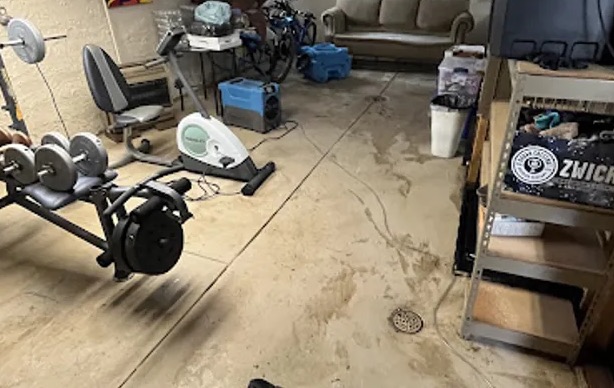
Professional Warehouse Water Damage Restoration in Garland, TX
Warehouse water damage, if left unaddressed, can lead to floor failure, rusted machinery, and widespread mold contamination, endangering both property and personnel.
In Garland, warehouse floods need large-volume extraction and drying. Local pros dry and clean the building, including mold removal, and also serve Rowlett, Sachse and Richardson.
Warehouse Water Damage Restoration Process for Garland Warehouses
Warehouse Equipment Drying
Water can damage warehouse machinery and electrical systems. Pros dry equipment carefully to prevent corrosion and failures, and the owner or maker confirms it is safe to restart.
Warehouse Inventory Water Damage
Pros in Garland sort pallets and items into those that can be dried, those that need freeze-drying and total losses, and document it all for your insurance claim.
Warehouse Water Damage Cleanup
The final warehouse cleanup involves sanitizing and deodorizing the restored space. Floors and surfaces are cleaned to remove residues and odors.
Warehouse Leak Detection Repair
Identifying the leak source is the first step in solving warehouse water damage. A thorough inspection of the building envelope and systems is conducted.
Warehouse Mold Remediation
Mold growth in a warehouse requires a structured remediation response. Professionals contain the area, discard unsalvageable moldy materials, and clean remaining surfaces.
Signs Your Warehouse Needs Water Damage Repair
Water Stains on Walls
Discolored streaks or rings on interior walls reveal past or active leaks in the warehouse.
Soggy Insulation Overhead
Wet, sagging insulation in ceiling bays loses R-value and can lead to collapse.
Musty Odors in the Space
A persistent earthy smell often means hidden moisture and potential mold in a warehouse.
Warped or Buckling Floors
A curling slab or failing epoxy coating points to moisture under the floor.
How Warehouse Water Damage Restoration Works in Garland
Step 1: Emergency Water Extraction
Local warehouse water damage pros use industrial pumps and extractors to remove all standing flood water from the facility, starting the warehouse water removal process.
Step 2: Strategic Structural Drying
High-capacity air movers and commercial dehumidifiers are positioned to dry the warehouse structure, including walls, ceilings, and the concrete slab, preventing warping.
Step 3: Inventory and Content Processing
Affected goods and materials are evaluated for warehouse inventory water damage; salvageable items are moved to a dry zone for specialized drying or cleaning.
Step 4: Final Verification and Documentation
Using moisture meters, pros verify the space is dry to industry standards. They document the process with readings and photos for your insurance review.
Typical Sources of Warehouse Water Damage
HVAC Condensate Line Failure
Clogged or disconnected drain lines from large commercial units can flood warehouse floors quickly.
Faulty Drain or Sewer Backup
Blocked floor drains or a municipal sewer backup can send contaminated water into the warehouse.
Human Error and Accidents
A left-on hose, an overturned tank, or a forklift damaging a pipe can initiate flooding.
Process Equipment Leaks
Cooling lines, hydraulic systems, or wash-down stations can develop leaks, creating localized water damage.
Commercial Warehouse Water Damage Restoration in Garland
Residential Water Damage Restoration
When a large garage or storage building floods, pros with industrial equipment dry under shelving and behind stored items.
Warehouse Water Damage Restoration
For warehouses, quick action on water damage repair supports business continuity. The space is dried so operations can resume, aiming to contain inventory and operational losses from prolonged downtime.
When to Hire Warehouse Restoration Experts for Warehouse Water Damage Restoration
Using a wet/dry shop vac on a small, isolated puddle on a sealed concrete floor might be manageable. For widespread warehouse floor water removal or moisture in porous concrete, professional-grade extractors and drying systems are necessary.
Investing in Warehouse Water Damage Restoration for Garland
The price for industrial water damage restoration depends on the square footage involved, the depth of water, and the complexity of the warehouse layout.
Emergency Service Timing
A 24/7 response outside standard hours may involve different service rates compared to a scheduled appointment during business hours.
Access and Complexity
Multi-level racking, confined machinery spaces, or high ceilings can complicate water removal and drying, increasing labor and equipment needs.
Structural Material Type
Concrete floors and steel framing dry differently than areas with drywall or insulation, affecting the methods and time required.
Does Insurance Cover Warehouse Water Damage Restoration?
Coverage for warehouse water damage depends on the policy's terms and the cause of the water loss. The pros record damage with photos and moisture readings, and your insurer makes all coverage decisions.
Advantages of Hiring Local Experts for Warehouse Water Damage Restoration
Inventory Damage Mitigation
Pros prioritize protecting salvageable goods through careful water removal, controlled drying environments, and coordination for off-site restoration if needed.
Leak Detection Repair
After extraction, warehouse leak repair experts can help identify and address the source of the water intrusion to prevent a recurrence.
Equipment Drying Protocols
Specialized techniques for warehouse equipment drying aim to minimize corrosion and electrical damage to machinery and control panels after water exposure.
24/7 Emergency Warehouse Water Damage Restoration in Garland
Stop warehouse water damage from spreading to other areas of the facility by calling for professional help. Reach the specialists at (972) 736-7408 for a 24/7 emergency response to begin water removal and drying.
Call Now (972) 736-7408Warehouse Water Damage Restoration Near Garland: Areas Served
Local warehouse water damage restoration is available for properties in Garland, along with nearby places like Rowlett, Sachse and Richardson, providing industrial-scale flood response.
- Warehouse Water Damage Restoration in Rowlett
- Warehouse Water Damage Restoration in Sachse
- Warehouse Water Damage Restoration in Richardson
- Warehouse Water Damage Restoration in Murphy
- Warehouse Water Damage Restoration in Plano
- Warehouse Water Damage Restoration in Wylie
- Warehouse Water Damage Restoration in Sunnyvale
- Warehouse Water Damage Restoration in Mesquite
- Emergency Damage Restoration in 75040
- Storm Damage Restoration in 75040
- Water Damage Restoration in 75040
- Water Extraction Service in 75040
- Water Leak Detection in 75040
- Water Removal Service in 75040
- Emergency Damage Restoration in 75041
- Storm Damage Restoration in 75041
Warehouse Water Damage Restoration in Garland: Your Questions Answered
What is the goal of warehouse moisture removal?
To return building materials to normal dry readings, measured with moisture meters, so they do not decay or grow mold.
Can business operations continue during warehouse drying services?
Safety often requires limiting access to affected zones, but local pros work to minimize disruption and may help set up temporary work areas.
How long does industrial water damage restoration typically take?
Duration varies widely by scale; a significant warehouse flood may require several days of active drying followed by repair and cleanup phases.
What does warehouse structural drying involve?
This process uses industrial air movers and dehumidifiers to remove moisture from building materials like concrete, steel, and wall assemblies to dry standards.
How do pros handle warehouse flood water extraction?
They use truck-mounted or industrial portable extractors to remove bulk water, followed by detailing to pull water from cracks and crevices.