Bridgeport, TX · Wise County
Tile Floor Water Damage Restoration in Bridgeport, TXFlooded Tile Floor Restoration & Tile Floor Water Damage Repair
Tile Floor Water Damage Restoration in Bridgeport starts with tile floor water extraction, wet tile floor cleanup, and tile floor water damage repair.
Answered 24/7
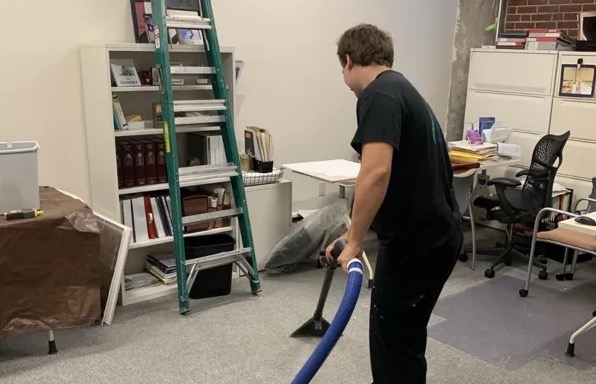
Professional Tile Floor Water Damage Restoration in Bridgeport, TX
For homes in Bridgeport, tile floor water damage can be deceptive, with surface water evaporating while moisture remains underneath. A professional tile floor moisture inspection reveals the true scope of the water intrusion.
Tile floor water damage restoration is a common need for properties in Bridgeport and nearby areas like Decatur, Boyd and Springtown. Water leaks or spills can quickly affect tile surfaces and the underlying structure.
Tile Floor Water Damage Restoration Solutions Available in Bridgeport
Flooded Tile Floor Restoration
From the initial emergency call to the final walkthrough, flooded tile floor restoration is a complete solution.
Tile Floor Water Damage Repair
Tile repair involves matching materials to achieve a consistent appearance. Sourcing compatible tiles and grout color is part of this process.
Tile Floor Mold Prevention
Preventing mold growth requires thorough drying of the entire tile assembly. Appropriate treatments are then applied to tile and grout surfaces.
Tile Floor Water Extraction
Standing water on tile flooring requires extraction to stop migration beneath the surface, a common issue for properties in Bridgeport.
Tile Floor Moisture Inspection
Inspection confirms when drying is complete and no hidden risks remain. Restoration professionals take precise moisture readings across the affected area to establish a baseline.
Indicators for Tile Floor Water Damage Restoration in Bridgeport
Baseboards Swelling Nearby
Swollen or discolored baseboards adjacent to a tile floor often trace water migration from underneath. This is a secondary indicator of a serious moisture problem.
Efflorescence on Tile Surface
A white, powdery residue on tiles is efflorescence, a mineral deposit left by evaporating water. It signals previous moisture issues that need addressing.
Cold or Damp Feeling Tiles
Tiles that feel cold or damp in one area usually have moisture trapped underneath.
Mold Spots on Grout Lines
Black, green or gray specks along grout lines are mold, which means moisture is staying in the floor.
How Tile Floor Water Damage Restoration Works in Bridgeport
Step 1: First Call and Inspection
The specialists inspect the water damaged tile floors to understand the scope and begin documentation for insurance purposes.
Step 2: Gross Water Extraction
The bulk of the water is extracted from the tile surface and any pooling areas, mitigating immediate damage and preparing for in-depth drying.
Step 3: Comprehensive Drying Cycle
A full drying system runs for the necessary duration to pull moisture from the porous grout, tiles, and underlying layers, preventing long-term damage.
Step 4: Evaluation for Necessary Repairs
Once dry, the installation is evaluated to determine if tile floor water damage repair is needed to restore the floor's stability and appearance.
Typical Sources of Tile Floor Water Damage
Overflowing Sinks or Tubs
An overflowing bathroom sink, shower, or bathtub can send large volumes of water across a tile floor, seeping into grout and underneath the tiles.
Appliance Leaks and Malfunctions
Dishwashers, washing machines, water heaters, and refrigerators with ice makers can leak slowly, saturating the subfloor beneath adjacent tile flooring over time.
Plumbing Pipe Leaks
A leaking supply line, drain pipe, or fitting beneath a tile floor can release a steady flow of water, leading to widespread tile floor water damage.
Pet Water Bowl Spills
Repeated spills from a pet's water bowl, especially on unsealed tile or grout, can allow water to penetrate and cause localized tile floor water damage.
Tile Floor Water Damage Restoration for All Properties in Bridgeport
Residential Tile Floor Water Damage Restoration
Homeowners face tile floor water damage from appliance leaks, toilet overflows, and plumbing failures. The restoration process involves careful tile floor moisture inspection to map the damage, followed by targeted drying to save the installation.
Commercial Tile Floor Water Damage Restoration
Restaurants, gyms and clinics need tile floors dried quickly. The specialists use commercial equipment to pull moisture from under the tile so the space can reopen.
The Risks of DIY Tile Floor Water Damage Restoration
If you discover a small, fresh spill on a tile floor, you can safely wipe it up with absorbent towels. Check the grout lines for moisture. For any water that has seeped between tiles or if the area feels damp underneath, contact the specialists for a tile floor moisture inspection to assess the subsurface damage.
Understanding Tile Floor Water Damage Restoration Costs in Bridgeport
In Bridgeport, cost includes the moisture inspection, drying, any grout or tile work and repairs to the floor.
Emergency Service Timing
A 24/7 response for flooded tile floor restoration may involve different service rates compared to scheduled appointments.
Access and Obstructions
Furniture removal and confined spaces can extend the timeline for tile floor water extraction and impact pricing.
Subfloor Condition
Removing water under tile flooring and assessing the subfloor for damage can add steps to the repair process.
Does Insurance Cover Tile Floor Water Damage Restoration?
For water under tile flooring removal, coverage depends on if the cause is a covered peril. The pros in Bridgeport record moisture levels and the extraction process for your claim file.
Advantages of Hiring Floor Drying Specialists in Bridgeport
Detailed Damage Documentation
Pros document the tile floor water damage inspection with readings and photos for your personal records.
Complete Restoration Scope
Services encompass everything from flooded tile floor restoration to final cleanup for a restored living space.
Focused Drying Strategy
A targeted approach for tile floor drying services addresses both the surface and the subfloor to prevent warping.
24/7 Emergency Tile Floor Water Damage Restoration in Bridgeport
Water on your tile floor? Call (972) 736-7408 any hour to start water removal and drying before it seeps under the tile.
Call Now (972) 736-7408Tile Floor Water Damage Restoration Service Area Including Bridgeport
The places below are also served, and each one has its own page.
- Tile Floor Water Damage Restoration in Decatur
- Tile Floor Water Damage Restoration in Boyd
- Tile Floor Water Damage Restoration in Springtown
- Tile Floor Water Damage Restoration in New Fairview
- Tile Floor Water Damage Restoration in Rhome
- Tile Floor Water Damage Restoration in Azle
- Tile Floor Water Damage Restoration in Weatherford
- Tile Floor Water Damage Restoration in Justin
- Emergency Damage Restoration in 76426
- Storm Damage Restoration in 76426
- Water Damage Restoration in 76426
- Water Extraction Service in 76426
- Water Leak Detection in 76426
- Water Removal Service in 76426
Tile Floor Water Damage Restoration Common Questions Answered
What are tile floor drying services?
These services use industrial air movers and dehumidifiers in a calculated layout to evaporate and remove moisture from the tile assembly.
What is tile floor mold prevention after water damage?
It involves rapid drying to remove the moisture mold needs, along with applying EPA-registered antimicrobials to affected areas during restoration.
What does tile floor water damage repair involve?
Repair can range from re-sealing grout and re-adhering tiles to replacing sections of damaged subfloor, depending on the inspection findings.
What tools are used for tile floor water damage inspection?
Inspections utilize tools like moisture meters, hygrometers, thermal imaging cameras, and sometimes borescopes to accurately assess both visible and concealed water damage within the flooring assembly.
Why is quick action critical for tile floor water damage?
A start to extraction and drying minimizes absorption, limits damage to the subfloor, and drastically reduces the risk of mold development.