Rhome, TX · Wise County
Tile Floor Water Damage Restoration in Rhome, TXWet Tile Floor Cleanup & Tile Floor Water Damage Repair
Tile Floor Water Damage Restoration in Rhome starts with tile floor water extraction, wet tile floor cleanup, and tile floor water damage repair.
Answered 24/7
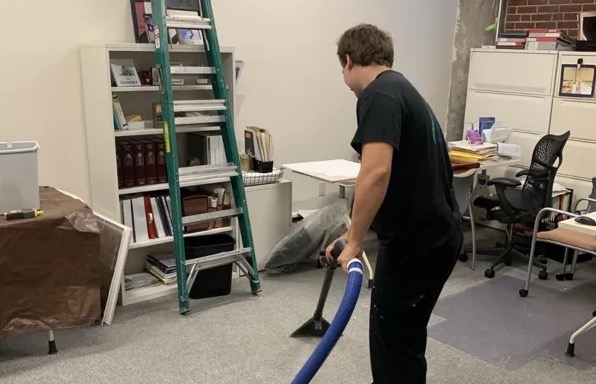
Professional Tile Floor Water Damage Restoration in Rhome, TX
Tile floor water damage in Rhome demands a response that considers both the visible tile and the hidden layers. Delays can increase the tile floor water damage cost significantly due to expanded repairs.
Tile floor water damage restoration is a common need for properties in Rhome and nearby areas like New Fairview, Boyd and Justin. Water leaks or spills can quickly affect tile surfaces and the underlying structure.
Tile Floor Water Damage Restoration Services in Rhome
Wet Tile Floor Cleanup
The cleanup phase addresses both visible soiling and microscopic contamination. Experts scrub and disinfect the tile surface, paying close attention to porous grout.
Tile Floor Water Damage Repair
Not every water-damaged tile needs replacing. Pros can often repair the grout and re-secure loose tiles, which saves time and money.
Flooded Tile Floor Restoration
When a flood covers tile floors in Rhome, local pros extract the water, dry, clean and disinfect the floor, then repair what was damaged.
Tile Floor Mold Prevention
Preventing mold growth requires thorough drying of the entire tile assembly. Appropriate treatments are then applied to tile and grout surfaces.
Tile Floor Moisture Inspection
Hidden moisture is the primary enemy of tile floors. Experts conduct a systematic inspection to detect water in the subfloor and behind walls adjacent to the wet tile.
Signs of Water Damage Needing Tile Floor Water Damage Restoration
Mold Spots on Grout Lines
Black, green or gray specks along grout lines are mold, which means moisture is staying in the floor.
A Musty Odor Persists
A persistent earthy or musty smell from your tile floor suggests hidden moisture and potential mold growth underneath. This odor calls for a tile floor moisture inspection.
Baseboards Swelling Nearby
Swollen or discolored baseboards adjacent to a tile floor often trace water migration from underneath. This is a secondary indicator of a serious moisture problem.
Cold or Damp Feeling Tiles
Tiles that feel cold or damp in one area usually have moisture trapped underneath.
How Tile Floor Water Damage Restoration Works in Rhome
Step 1: Source Stop and Safety Check
The water source is stopped and the area is made safe before work begins.
Step 2: Surface Water Removal
Water on the tile surface is removed with extraction wands and wet vacuums.
Step 3: Subsurface Drying Deployment
Drying equipment is deployed to address moisture in the substrate beneath the tiles, a core component of professional tile floor drying services.
Step 4: Completion Verification
The job is complete when verification moisture readings confirm all materials meet dry standard, helping ensure no residual moisture remains to cause future issues.
What Leads to Tile Floor Water Damage Restoration Needs
Appliance Leaks and Malfunctions
Dishwashers, washing machines, water heaters, and refrigerators with ice makers can leak slowly, saturating the subfloor beneath adjacent tile flooring over time.
Improper Initial Tile Installation
Tile installed without a proper moisture barrier or waterproof underlayment is vulnerable to water intrusion from above, leading to premature failure.
HVAC Condensation Issues
A malfunctioning air conditioner or uninsulated condensation drain line can drip constant moisture onto a tile floor, creating a hidden, chronic dampness issue.
Slab Foundation Moisture Wicking
In homes on slab foundations, ground moisture can wick up through the concrete and into the tile installation, causing persistent tile floor moisture issues.
Residential and Commercial Tile Floor Water Damage Restoration in Rhome
Residential Tile Floor Water Damage Restoration
Homeowners face tile floor water damage from appliance leaks, toilet overflows, and plumbing failures. The restoration process involves careful tile floor moisture inspection to map the damage, followed by targeted drying to save the installation.
Commercial Tile Floor Water Damage Restoration
Restaurants, gyms and clinics need tile floors dried quickly. Local water damage restoration pros use commercial equipment to pull moisture from under the tile so the space can reopen.
Calling Local Pros vs. DIY Tile Floor Water Damage Repair
You can mop or wet-vac standing water off the tile. After a toilet overflow, appliance leak or flood, call local water damage restoration pros to remove water from under the tile.
Factors Affecting Tile Floor Water Damage Restoration Cost in Rhome
Expenses for wet tile floor cleanup are shaped by the type and quantity of drying equipment needed, the duration of the drying process, and whether any ancillary structural repairs are necessary.
Extent of Damage
The square footage of water damaged tile floors and depth of saturation directly influence the restoration scope and cost.
Access and Obstructions
Furniture removal and confined spaces can extend the timeline for tile floor water extraction and impact pricing.
Subfloor Condition
Removing water under tile flooring and assessing the subfloor for damage can add steps to the repair process.
Does Insurance Cover Tile Floor Water Damage Restoration?
Your homeowners insurance may cover tile floor water damage if the cause is a sudden, accidental event like a burst pipe. The pros create detailed reports for your insurer.
Benefits of Local Pros for Tile Floor Water Damage Restoration in Rhome
Structural Integrity Consideration
The subfloor is checked before tile repairs, so new tile goes down on a sound base.
IICRC-Standard Methods
The pros use industry-standard procedures for tile floor water extraction and drying to promote effective damage control.
Clear Process Communication
You receive straightforward explanations of each step, from initial assessment through the final moisture verification.
24/7 Tile Floor Water Damage Restoration Help in Rhome
For immediate tile floor water damage restoration, call (972) 736-7408 any time. The pros provide around-the-clock help to start water extraction and prevent further damage to your flooring and subfloor.
Call Now (972) 736-7408Tile Floor Water Damage Restoration Service Area Including Rhome
Removing water under tile flooring is a service provided for homes in Rhome. The pros in Rhome also assist homeowners in surrounding areas like New Fairview, Boyd and Justin.
- Tile Floor Water Damage Restoration in New Fairview
- Tile Floor Water Damage Restoration in Boyd
- Tile Floor Water Damage Restoration in Justin
- Tile Floor Water Damage Restoration in Azle
- Tile Floor Water Damage Restoration in Springtown
- Tile Floor Water Damage Restoration in Decatur
- Tile Floor Water Damage Restoration in Keller
- Tile Floor Water Damage Restoration in Saginaw
- Emergency Damage Restoration in 76078
- Storm Damage Restoration in 76078
- Water Damage Restoration in 76078
- Water Extraction Service in 76078
- Water Leak Detection in 76078
- Water Removal Service in 76078
Tile Floor Water Damage Restoration Common Questions Answered
How is a tile floor moisture inspection conducted?
Pros use non-invasive moisture meters and thermal imaging to detect hidden dampness in the tile, grout, and the underlying substrate.
How do pros find water under tile flooring?
Non-penetrating moisture meters detect elevated moisture levels without damaging the tile, while thermal imaging cameras can reveal temperature differences that often indicate trapped water below.
Does tile floor mold prevention require special chemicals?
As part of a complete drying protocol, the pros may apply EPA-registered antimicrobial solutions during the cleaning phase to inhibit mold on the affected surfaces.
How does tile floor water extraction work?
Powerful truck-mounted or portable extractors remove standing water, while specialized tools pull moisture from grout lines and from under the tiles.
Why is wet tile floor cleanup time-sensitive?
Early action limits further water migration, prevents subfloor swelling and tile delamination, and significantly reduces the opportunity for mold growth to begin in the damp materials.