Pilot Point, TX · Denton County
Hydrostatic Pressure Water Removal in Pilot Point, TXGroundwater Intrusion Mitigation & Slab Leak Water Removal
Hydrostatic Pressure Water Removal in Pilot Point covers groundwater intrusion mitigation, wet subfloor removal and crawl space water extraction.
Answered 24/7
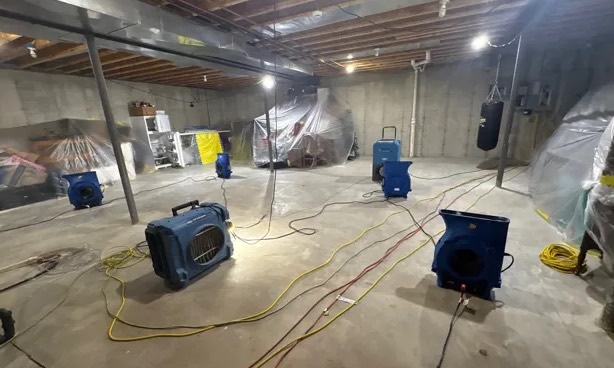
Professional Hydrostatic Pressure Water Removal in Pilot Point, TX
In Pilot Point, when the ground around a foundation is full of water, the pressure pushes it through the weakest spots. Cracks in the walls or slab are usually where it comes in.
Detailed Hydrostatic Pressure Water Removal Methods
Groundwater Intrusion Mitigation
Dealing with groundwater means removing what got in and drying the space. The pros also point out grading or drainage problems outside that a contractor can fix.
Slab Leak Water Removal
For slab leaks in Pilot Point, structural drying professionals remove the water and dry the slab and flooring above it.
Slab Seepage Water Removal
When water seeps up through a slab in Pilot Point, flooring may need to be lifted so the concrete can dry. Pros explain what a foundation specialist should look at.
Wet Subfloor Removal
Water damage pros assess the damage, remove the compromised materials, and ensure the underlying joists are dry and sound before reconstruction.
Structural Drying After Intrusion
Drying equipment is placed to pull moisture out of wall cavities, subfloors and framing, not just to dry what you can see.
When to Call for Hydrostatic Pressure Water Removal in Pilot Point
Pooling Water in Crawl Space
Standing water in a crawl space is a clear sign water is getting in and needs to be removed.
Mold on Baseboards
Mold along baseboards or lower walls points to ongoing moisture coming through the foundation.
Gurgling Sounds From Floor Drains
Gurgling floor drains during heavy rain can mean water pressure is building in the drain lines around the house.
Spongy or Soft Spots on Floors
Damp spots or lifting flooring on a slab can mean water is coming up from below.
How Hydrostatic Pressure Water Removal Works in Pilot Point
Step 1: Safety and Hazard Assessment
The area is made safe and electrical hazards are checked before any water removal starts.
Step 2: Foundation Crack Water Infiltration Stop
Water coming through cracks is managed with pumps while the area dries, and the cracks are noted for a foundation contractor.
Step 3: Advanced Drying System Setup
Desiccant dehumidifiers and injectidry systems are installed to dry deep within building materials. This equipment pulls moisture out of concrete, wood and insulation.
Step 4: Post-Restoration Integrity Check
A final check confirms the lower level is dry, and the readings are shared with you.
Sources Requiring Hydrostatic Pressure Water Removal
Heavy or Prolonged Rainfall
Long periods of rain soak the soil, and the water presses against the foundation until it finds a way in.
Soil Expansion and Contraction
Clay soil swells when wet, adding pressure on foundation walls and opening paths for water.
Poor Exterior Drainage Systems
Clogged gutters, downspouts and poor grading send water toward the foundation, where it builds pressure in the soil.
Failed or Missing Waterproofing
Worn exterior coatings or membranes let groundwater reach the foundation wall directly.
Hydrostatic Pressure Water Removal for Foundation Protection
Residential Hydrostatic Pressure Water Removal
Hydrostatic pressure damage threatens a home's structure and indoor air. In homes throughout Pilot Point, the pros remove wet subfloor, dry the structure and repair foundation crack leaks to prevent costly long-term damage.
Commercial Hydrostatic Pressure Water Removal
In businesses, groundwater in a lower level can damage stock and equipment. The professionals remove the water and dry the space to keep downtime short.
Hydrostatic Pressure Water Removal: Why DIY Falls Short
If you see minor dampness, move valuables and boxes away from the wet walls. If water is standing on the floor or coming through the floor or walls, call (972) 736-7408, since that usually means steady pressure from outside.
Hydrostatic Pressure Water Removal Cost in Pilot Point, TX
The cost of removing water that comes up through a slab depends on how easy the area is to reach, how wet it is and how long drying takes.
Structural Complexity
Tight crawl spaces and complex foundations make water removal and drying slower.
Intrusion Severity
How deep the water is and how much keeps coming in decide how long extraction takes.
Material Saturation Level
Deeply soaked subflooring or wet foundation walls need more extraction and dehumidification.
Does Insurance Cover Hydrostatic Pressure Water Removal?
Whether insurance covers foundation water removal depends on how your policy treats groundwater. The pros document the flooded area and the damage, and your insurer makes the final call.
The Value of Local Pros for Hydrostatic Pressure Water Removal
Structural Damage Assessment
The pros check where water came in and which materials it reached before drying starts.
Methodical Cleanup Process
Each step, from extraction to final readings, is done in order so nothing is left wet.
Comprehensive Moisture Mapping
Moisture meters find water in subfloors and walls so every wet area gets dried.
Urgent Hydrostatic Pressure Water Removal for Pilot Point Homes
If water is coming through foundation cracks or up through the slab, call (972) 736-7408 for 24/7 help in Pilot Point. Removing it early keeps the damage smaller.
Call Now (972) 736-7408Hydrostatic Pressure Water Removal Coverage in Pilot Point, Aubrey, Providence Village and Celina
Groundwater cleanup and wet subfloor removal are available for properties in Pilot Point and neighboring locations such as Aubrey, Providence Village and Celina.
- Hydrostatic Pressure Water Removal in Aubrey
- Hydrostatic Pressure Water Removal in Providence Village
- Hydrostatic Pressure Water Removal in Celina
- Hydrostatic Pressure Water Removal in Sanger
- Hydrostatic Pressure Water Removal in Prosper
- Hydrostatic Pressure Water Removal in Little Elm
- Hydrostatic Pressure Water Removal in Denton
- Hydrostatic Pressure Water Removal in Frisco
- Emergency Damage Restoration in 76258
- Storm Damage Restoration in 76258
- Water Damage Restoration in 76258
- Water Extraction Service in 76258
- Water Leak Detection in 76258
- Water Removal Service in 76258
Hydrostatic Pressure Water Removal FAQs
What are signs of soil pressure water intrusion?
Water seeping where the floor meets the wall, damp foundation walls and ongoing moisture in a crawl space.
What is structural drying after intrusion?
It is drying the concrete, wood and other building materials after groundwater or flood water gets inside.
What does groundwater intrusion mitigation involve?
Removing the water, drying the structure and then, often, drainage or waterproofing work outside by a contractor.
How long does drying take after groundwater comes in?
Most jobs take several days of drying. Waterproofing repairs, if needed, are a separate job for a waterproofing contractor.
Does sealing a foundation crack stop water from coming in?
Sealing a crack, done by a foundation contractor, can help. Long-term control often also needs drainage or waterproofing outside to lower the water pressure.