Denton, TX · Denton County
Hydrostatic Pressure Water Removal in Denton, TXFoundation Crack Water Infiltration & Slab Seepage Water Removal
Hydrostatic Pressure Water Removal in Denton covers groundwater intrusion mitigation, wet subfloor removal and crawl space water extraction.
Answered 24/7
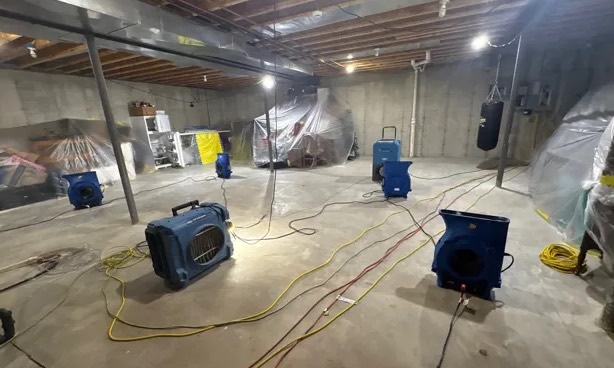
Hydrostatic Pressure Water Removal Solutions for Denton Homes
In Denton areas where the water table rises in wet seasons, groundwater presses on foundation walls and can seep inside.
Comprehensive Hydrostatic Pressure Water Removal Solutions
Foundation Crack Water Infiltration
Water coming through foundation cracks is pushed in by soil pressure. The water that got in is extracted and the area dried, and the crack is noted for a foundation contractor.
Slab Seepage Water Removal
Slab seepage water removal clears water that soil pressure forces through joints and cracks in the slab, then the flooring and baseboards are checked with moisture meters.
Groundwater Intrusion Mitigation
Dealing with groundwater means removing what got in and drying the space. The pros also point out grading or drainage problems outside that a contractor can fix.
Slab Leak Water Removal
Water coming up through a slab keeps flooring damp and can swell or lift it. The water is removed and the slab and flooring dried.
Structural Drying After Intrusion
Wet framing and subfloor need to be dried, not just the floor surface. Local foundation water removal pros set up a drying plan and check readings until the materials are dry.
When to Call for Hydrostatic Pressure Water Removal in Denton
Mold on Baseboards
Mold along baseboards or lower walls points to ongoing moisture coming through the foundation.
Pooling Water in Crawl Space
Standing water in a crawl space is a clear sign water is getting in and needs to be removed.
Water Seeping From Foundation Walls
Water seeping at the base of foundation walls means groundwater is being pushed in by pressure from the soil.
Efflorescence on Concrete Surfaces
White, chalky deposits on foundation walls or the slab show water has been pushing through the concrete.
How Hydrostatic Pressure Water Removal Works in Denton
Step 1: Source Containment and Control
Where possible, the water source is controlled first, such as redirecting downspouts or stopping a plumbing leak.
Step 2: Crawl Space Water Extraction
Equipment made for tight spaces extracts water from the crawl space so the framing can start drying.
Step 3: Affected Material Removal
Wet insulation and subflooring that cannot be dried are removed and hauled away.
Step 4: Dehumidification and Air Scrubbing
Dehumidifiers and air scrubbers bring humidity down and clear the musty air until the space is dry.
What Causes Hydrostatic Pressure Water Damage
Failed or Missing Waterproofing
Worn exterior coatings or membranes let groundwater reach the foundation wall directly.
Clogged or Collapsed Footing Drains
When perimeter drains clog or fail, water has nowhere to go and presses against the walls and slab.
Poor Exterior Drainage Systems
Clogged gutters, downspouts and poor grading send water toward the foundation, where it builds pressure in the soil.
Soil Expansion and Contraction
Clay soil swells when wet, adding pressure on foundation walls and opening paths for water.
Residential and Commercial Hydrostatic Pressure Water Removal in Denton
Residential Hydrostatic Pressure Water Removal
In homes, groundwater pushed through a wall or slab can soak flooring and drywall. Fast extraction and drying keep the damage from spreading to walls and stored items.
Commercial Hydrostatic Pressure Water Removal
Restaurants, medical offices, and other sensitive environments require meticulous groundwater extraction and sanitization after water intrusion. Specialized water removal pros ensure these spaces meet strict hygiene standards.
Hydrostatic Pressure Water Removal vs. DIY: When to Call the Pros
If a plumbing leak may be adding to the water, shut off the main valve. Finding where groundwater enters and drying the structure takes meters and drying equipment.
Hydrostatic Pressure Water Removal Cost in Denton, TX
The price for hydrostatic pressure water removal in Denton varies based on factors like the severity of the slab leak and the complexity of wet subfloor removal required.
Intrusion Severity
How deep the water is and how much keeps coming in decide how long extraction takes.
Affected Area Size
Larger flooded areas or large wet subfloors need more equipment and more days of drying.
Mitigation Measures
Drainage or waterproofing work to stop water from returning is a separate cost from the water removal.
Does Insurance Cover Hydrostatic Pressure Water Removal?
For water coming up through a slab, coverage often depends on whether the leak was sudden or slow. The pros record the source and the wet areas, and your insurer decides.
The Value of Local Pros for Hydrostatic Pressure Water Removal
Detailed Documentation
Photos and moisture logs of the work are kept to support your insurance claim.
Structural Damage Assessment
The pros check where water came in and which materials it reached before drying starts.
Focused Mitigation Planning
You get notes on where water came in, so you can plan drainage work with a contractor.
Around-the-Clock Help for Hydrostatic Flooding in Denton
For 24/7 help with soaked subfloor after groundwater flooding, call (972) 736-7408. The pros in Denton start with extraction and a moisture check.
Call Now (972) 736-7408Hydrostatic Pressure Water Removal Near Denton: Areas Served
Groundwater cleanup and wet subfloor removal are available for properties in Denton and neighboring locations such as Corinth, Shady Shores and Krum.
- Hydrostatic Pressure Water Removal in Corinth
- Hydrostatic Pressure Water Removal in Shady Shores
- Hydrostatic Pressure Water Removal in Krum
- Hydrostatic Pressure Water Removal in Argyle
- Hydrostatic Pressure Water Removal in Hickory Creek
- Hydrostatic Pressure Water Removal in Lantana
- Hydrostatic Pressure Water Removal in Flower Mound
- Hydrostatic Pressure Water Removal in Lake Dallas
- Emergency Damage Restoration in 76201
- Storm Damage Restoration in 76201
- Water Damage Restoration in 76201
- Water Extraction Service in 76201
- Water Leak Detection in 76201
- Water Removal Service in 76201
- Emergency Damage Restoration in 76202
- Storm Damage Restoration in 76202
Frequently Asked Questions About Hydrostatic Pressure Removal
When is wet subfloor removal necessary?
When wood subflooring is so soaked that it cannot be dried, it is removed to prevent rot and a weak floor.
What causes foundation crack water infiltration?
Usually water pressure from soaked soil, or settlement cracks that give groundwater a path into the building.
What is included in structural water damage restoration?
Water extraction, drying, cleaning and replacing materials that groundwater or flood water damaged beyond drying.
What equipment is used for groundwater extraction?
Groundwater extraction uses submersible pumps for deep water, wet-dry vacuums for shallow flooding, and specialized extractors for under-slab water removal.
Does sealing a foundation crack stop water from coming in?
Sealing a crack, done by a foundation contractor, can help. Long-term control often also needs drainage or waterproofing outside to lower the water pressure.