Greenville, TX · Hunt County
Basement Water Removal in Greenville, TXEmergency Basement Flooding & Basement Moisture Inspection
Get basement water removal in Greenville for emergency basement flooding, basement water pump out and basement floor water damage.
Answered 24/7
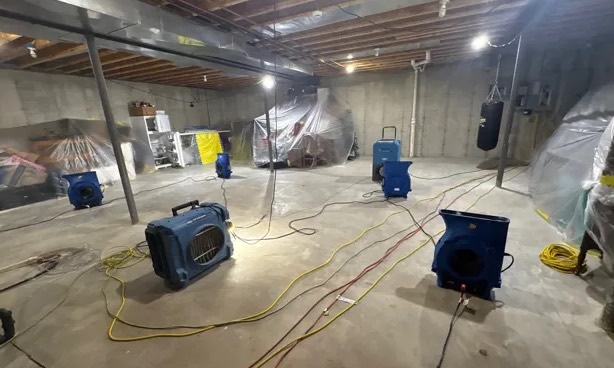
Local Basement Water Removal Services for Greenville
Basement Water Removal in Greenville protects more than the floor. Furnaces, water heaters, washers and stored belongings in the basement can all be damaged by standing water.
Basements are uncommon in Greenville. The same extraction and drying steps apply to slab-level rooms, sunken dens and garages that take on water.
Homes in Greenville and nearby Royse City, Fate and Princeton with basements face storm seepage, sewer backups and plumbing leaks. Help with basement water removal covers pump-out, wall and floor drying and dehumidification.
Basement Water Removal Services in Greenville
Emergency Basement Flooding
Emergency response starts with making power safe, stopping the source if possible and pumping out the water.
Basement Moisture Inspection
Readings are recorded at each visit, giving you and your insurer a clear record of the drying.
Basement Dehumidification
After drying, a household dehumidifier may still be needed to keep basement humidity in a healthy range.
Basement Wall Drying
Concrete and block walls dry with directed airflow and dehumidification, which pull water out of the masonry.
Basement Floor Water Damage
Flooring that buckled or swelled is removed. Tile and sealed concrete can often be cleaned and dried in place.
Common Symptoms Requiring Basement Water Removal
Standing Water in Basement
Standing water anywhere on the basement floor needs to be pumped out before it soaks the walls.
Musty Odors and Mold Smell
A musty or damp smell in the basement points to wet materials hidden somewhere in the space.
Gurgling Sounds From Drains
Gurgling floor drains or slow drains can be an early sign of a sewer line problem.
Water Stains on Walls or Ceiling
Stains on lower walls or the ceiling below a bathroom or kitchen point to a leak.
How Basement Water Removal Works in Greenville
Step 1: Emergency Water Extraction
Power is made safe, then pumps and extractors remove standing water from the basement floor.
Step 2: Detailed Moisture Inspection
Meters map wet walls, framing and slab areas, including behind finished walls and under flooring.
Step 3: Drying and Dehumidification
Air movers and large dehumidifiers run continuously, with readings checked every day.
Step 4: Final Verification and Monitoring
Readings are compared to dry areas, and equipment is removed only when the basement tests dry.
Common Causes of Basement Flooding in Greenville
Foundation Cracks and Seepage
Cracks in foundation walls and the slab let groundwater seep in during wet weather.
Plumbing Leaks or Pipe Bursts
Supply lines, drain pipes and water heaters in the basement can leak or burst onto the floor.
Sewer Line Backups and Blockages
A blocked sewer line can push wastewater up through basement floor drains and toilets.
Clogged or Damaged Gutters
Clogged gutters and short downspouts dump roof water right next to the foundation.
Residential and Commercial Basement Water Removal in Greenville
Residential Basement Water Removal
Older homes with a basement may see seepage with every heavy storm. Water removal handles the current damage, and the entry point is noted for a waterproofing contractor.
Commercial Basement Water Removal
Multi-unit buildings with shared basements need each storage and laundry area pumped, dried and documented for the property manager.
When to Hire Local Pros for Basement Water Removal
Fans by themselves can spread damp basement air through the rest of the house. Basement drying needs dehumidifiers that pull moisture out of both the air and the concrete.
Investing in Professional Basement Water Removal
A basement pumped out the same day in Greenville usually needs less drywall and flooring replaced than one left wet for days.
Affected Materials
Finished walls, carpet and laminate take more removal work than bare concrete.
Water Depth and Volume
Deeper water takes more pumping time and usually means more materials got wet.
Contamination Level
Sewage or dirty water needs protective gear, removal and disinfection, which costs more.
Does Insurance Cover Basement Water Removal?
Photograph the water level, damaged belongings and appliances before cleanup, and keep receipts for emergency pumping and drying equipment for your adjuster.
Advantages of Local Basement Water Removal Experts
Clear Communication
You get plain updates on what was found, what was removed and how drying is going.
Methodical Water Removal Process
Water is removed in a set order: pump-out, extraction, removal of soaked materials, then drying.
Contamination Safety Protocols
Sewage and dirty water are handled with protective gear, containment and disinfection.
Round-the-Clock Basement Water Removal for Greenville
Water still rising in the basement? Call (972) 736-7408 now for basement water removal in Greenville before the water reaches finished rooms and stored belongings.
Call Now (972) 736-7408Basement Water Removal Serving Greenville and Surroundings
Other places served are listed below, each with its own page.
- Basement Water Removal in Royse City
- Basement Water Removal in Fate
- Basement Water Removal in Princeton
- Basement Water Removal in Lucas
- Basement Water Removal in Wylie
- Basement Water Removal in Terrell
- Basement Water Removal in Melissa
- Basement Water Removal in McKinney
- Emergency Damage Restoration in 75401
- Storm Damage Restoration in 75401
- Water Damage Restoration in 75401
- Water Extraction Service in 75401
- Water Leak Detection in 75401
- Water Removal Service in 75401
- Emergency Damage Restoration in 75402
- Storm Damage Restoration in 75402
Answers to Top Basement Water Removal Queries
How is basement wall drying done?
Wet drywall is cut back, insulation removed and directed airflow and dehumidifiers dry the studs and masonry.
How is contaminated water handled in a basement?
With protective gear, containment, removal of porous materials and disinfection of hard surfaces before drying.
What causes basement floor water damage?
Storm seepage, burst pipes, appliance leaks, foundation cracks and sewer backups through floor drains are the usual sources.
What is involved in basement water removal?
Making power safe, pumping out standing water, extracting floors and carpet, removing soaked materials and dehumidifying until dry.
What is emergency basement flooding response?
Help any hour to make power safe, stop the source, pump out water and start drying before more damage sets in.