Princeton, TX · Collin County
AC Unit Water Removal in Princeton, TXAC Leak Mold Prevention & AC Leak Water Extraction
AC Unit Water Removal in Princeton runs from emergency AC water removal and AC leak water cleanup to air conditioner restoration services.
Answered 24/7
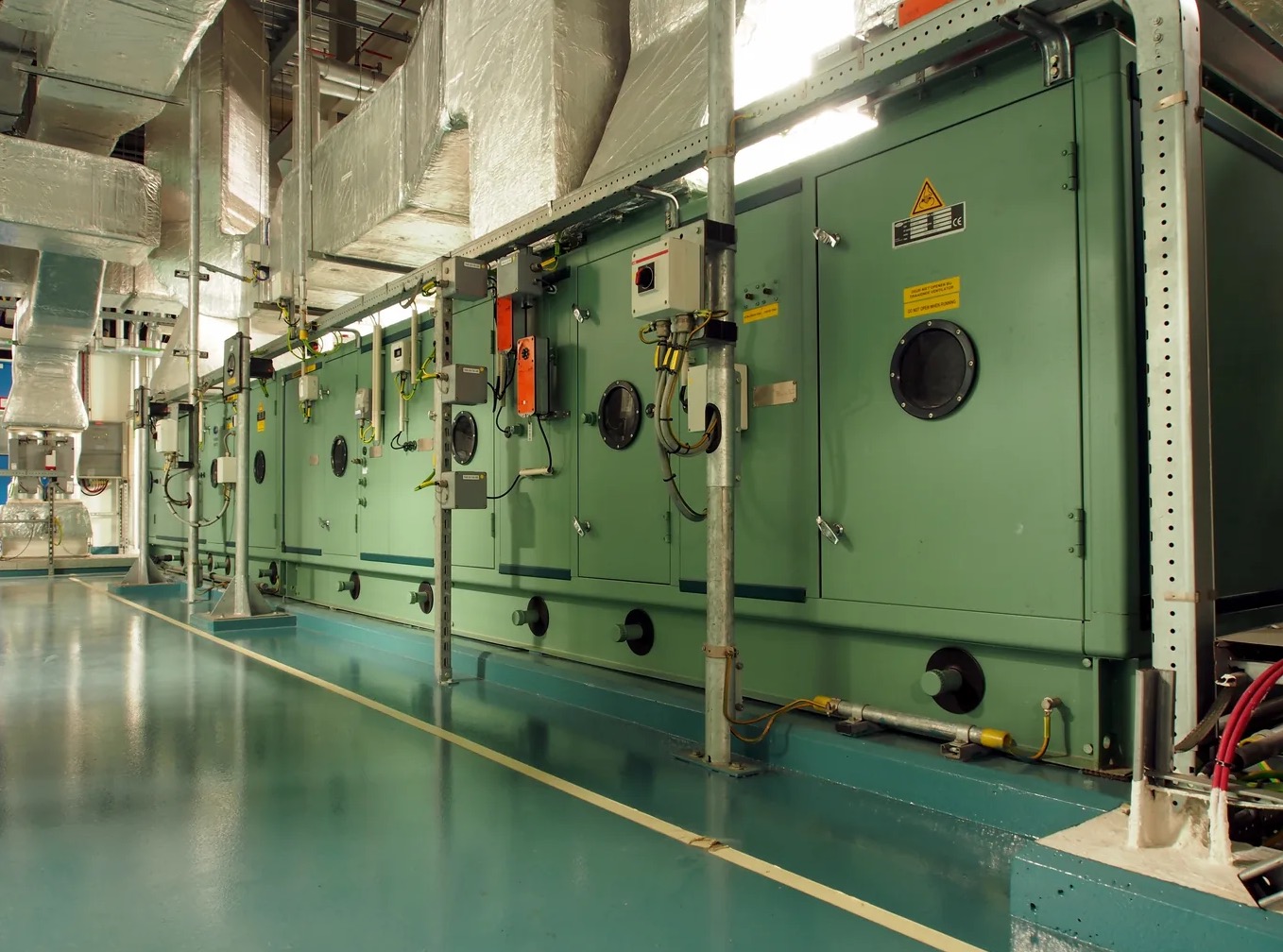
Local AC Unit Water Removal Services in Princeton, Texas
AC Unit Water Removal in Princeton covers the whole leak, from removing standing water to drying wet materials and repairing drywall or trim afterward. Each step depends on how far the water traveled and how long it sat.
Property owners in Princeton can call (972) 736-7408 day or night when an air handler starts leaking. Service also covers McKinney, Fairview and Lucas, with the same extraction, drain clearing and drying process for attic, closet and garage units in houses, condos and apartments.
Complete AC Unit Water Removal and Repair in Princeton
AC Leak Mold Prevention
Surfaces that stayed damp, such as framing under the air handler, are treated after drying so leftover spores have less to feed on.
AC Leak Water Extraction
Extraction is followed by drying with air movers and dehumidifiers, with daily readings to track progress.
AC Leak Water Cleanup
Cleanup starts at the drain pan and works outward, removing pooled water and wet debris so drying can begin.
Wet AC Unit Component Drying
Air movers and a dehumidifier are set around the unit, and moisture readings are taken until the metal and insulation test dry.
Air Conditioner Restoration Services
Restoration covers the repairs left after a leak: cut-out drywall, stained ceilings, swollen baseboards and soaked insulation.
Signs of AC Water Damage Requiring Removal
Visible Mold Near AC
Dark spots on drywall or framing near the unit mean the area has stayed wet for days.
Musty Odors From Vents
A musty smell when the AC starts often means standing water in the pan or wet insulation in the ducts.
Water Stains on Walls
Brown rings or peeling paint on the ceiling under an attic unit, or on walls near the closet, point to a slow leak.
High Indoor Humidity Levels
Rooms that feel clammy while the AC runs may mean water is not draining and is evaporating back into the air.
How AC Unit Water Removal Works in Princeton
Step 1: Emergency AC Water Removal
The unit is shut off and standing water is extracted from the drain pan, the floor and any carpet or pad it reached.
Step 2: AC Condensation Line Clearing
The drain line is flushed or vacuumed clear of algae and sludge, so condensate flows outside again.
Step 3: Wet AC Unit Component Drying
Air movers and a dehumidifier dry the cabinet interior and the walls, floor or ceiling around the unit.
Step 4: AC Leak Mold Prevention
Once readings show dry, wood and drywall that stayed wet can be treated with an antimicrobial.
Why AC Units Leak and Need Water Removal
Improper AC Unit Installation
A unit that is not level, or a drain line without enough slope, lets water pool instead of draining.
Age and Component Wear
Older units have worn fittings, brittle seals and corroded pans that start leaking together.
High Static Pressure in Ducts
Restricted ducts can pull water off the coil and blow it into the cabinet or ductwork.
Disconnected Drain Line
A drain line knocked loose in the attic or closet empties condensate onto the ceiling or floor.
AC Unit Water Removal Services for All Properties in Princeton
Residential AC Unit Water Removal
In a home, an AC leak usually hits a hallway ceiling, a closet floor or the carpet near the air handler. Water removal and drying start there, followed by drywall repair if needed.
Commercial AC Unit Water Removal
In offices and stores, a leaking rooftop or ceiling unit drips onto desks, stock and floors and creates slip hazards. Work can be scheduled around business hours where possible.
The Risks of DIY AC Unit Water Removal in Princeton
You can turn off the AC, empty the pan and towel up a puddle yourself. Moisture already inside drywall or subflooring is harder, because it takes meters to find and drying equipment to remove it.
What Affects AC Unit Water Removal Expense in Princeton
After-hours calls, the number of rooms affected, the drying time and any drywall or ceiling repairs all change the total for AC unit water removal in Princeton.
Affected Component Count
The more of the system that got wet, such as the blower, panels and insulation, the more drying time is needed.
Documentation Needs
Detailed photos and moisture logs for an insurance claim add some time to the job.
Emergency Service Timing
After-hours and holiday response can cost more than a scheduled weekday visit.
Does Insurance Cover AC Unit Water Removal?
Ask your adjuster whether clearing the condensate line is covered or treated as routine maintenance, since policies differ. The water damage to ceilings, walls and floors is often handled separately from the unit.
Why Choose Local Pros for AC Unit Water Removal in Princeton
Leak Source Identification
The pros trace the leak to its source, whether that is a clog, a cracked pan or a failed pump.
Drain Pan Extraction
Both the main pan and the safety pan are emptied and checked for damage.
Industry Drying Standards
Drying follows industry water damage standards, with moisture readings at each visit.
24/7 AC Unit Water Removal for Emergencies in Princeton
AC leaking into a ceiling or floor in Princeton? Shut the unit off at the thermostat, move belongings out of the way and call (972) 736-7408. Help is available 24/7.
Call Now (972) 736-7408AC Unit Water Removal Near Princeton: Areas Served
Need AC unit water removal outside Princeton? Service also covers McKinney, Fairview and Lucas, day or night, for any leaking AC unit.
- AC Unit Water Removal in McKinney
- AC Unit Water Removal in Fairview
- AC Unit Water Removal in Lucas
- AC Unit Water Removal in Melissa
- AC Unit Water Removal in Allen
- AC Unit Water Removal in Wylie
- AC Unit Water Removal in Murphy
- AC Unit Water Removal in Anna
- Emergency Damage Restoration in 75407
- Storm Damage Restoration in 75407
- Water Damage Restoration in 75407
- Water Extraction Service in 75407
- Water Leak Detection in 75407
- Water Removal Service in 75407
Common AC Unit Water Removal Questions Answered
Can an AC condensation leak damage the ceiling?
Yes. Attic units leak straight into the drywall below, causing stains, sagging and eventually collapse if left alone.
How long does drying take after an AC leak?
Often several days, depending on the materials and how long they were wet. Daily readings track progress.
How does antimicrobial treatment help after an AC leak?
Once surfaces are dry, an antimicrobial can be applied to wood and drywall that stayed wet to slow microbial growth.
What is involved in AC unit water removal?
Standing water is extracted, the condensate line is cleared, and wet materials are dried with air movers and dehumidifiers until moisture readings are normal.
What should I do while waiting for help with an AC leak?
Turn off the AC, place towels or a bucket under the drip, move belongings out of the way and take photos.