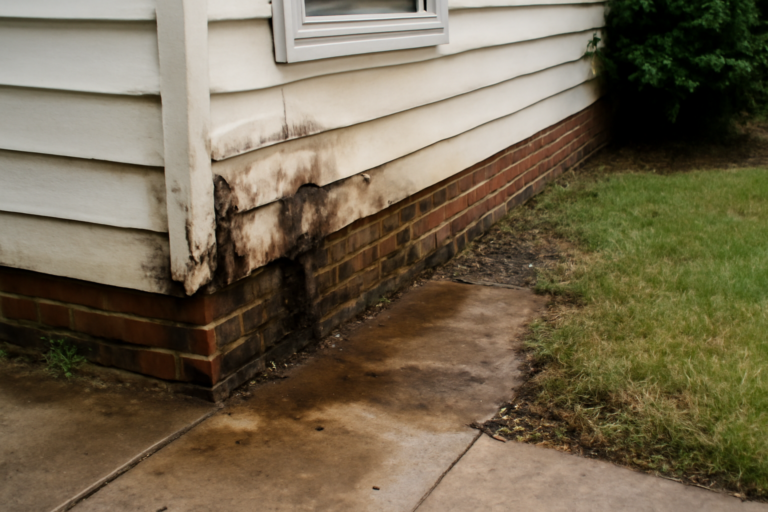
AC Unit Water Removal in Murphy, TX: What You Need to Know
Did you know that AC unit water removal claims are one of the most common types of insurance claims in the area? In fact, according to industry data, up to 70% of homeowners in Murphy, TX will experience some form of water damage due to their AC unit at some point in their lives. It’s a problem that can be costly and time-consuming to fix if not addressed quickly. Our team has helped countless homeowners in the area recover from AC unit water damage, and we’re here to guide you through the process.
We’ve helped over 165 homeowners in the area recover from AC unit water damage, and we’re confident that we can help you too. Our team is locally owned and operated, and we have the expertise and equipment to handle even the toughest water damage jobs. We’re not just a restoration company – we’re your neighbors, and we’re here to help you get back to normal as quickly as possible.
- We’ll help you document the damage and work with your insurance company to ensure you get the compensation you deserve.
- We use the latest equipment and techniques to remove standing water and dry out your property quickly and effectively.
- We’re available 24/7 to respond to emergencies and get your property back to normal as quickly as possible.
How AC Unit Water Removal Works
With AC unit water removal, every minute counts. If you wait too long to address the problem, you could be facing costly repairs, mold growth, and even health risks. Our team has a proven process for removing standing water, drying out your property, and getting you back to normal as quickly as possible. Here’s what you can expect:
Step 1: Emergency Response
We’ll respond to your emergency within 60 minutes, 24/7, and assess the damage to your property. Our team will use specialized equipment to extract standing water and prevent further damage.
Step 2: Water Removal
We’ll use industrial-strength pumps and vacuums to remove standing water from your property, including your AC unit, walls, floors, and ceilings.
Step 3: Drying and Dehumidification
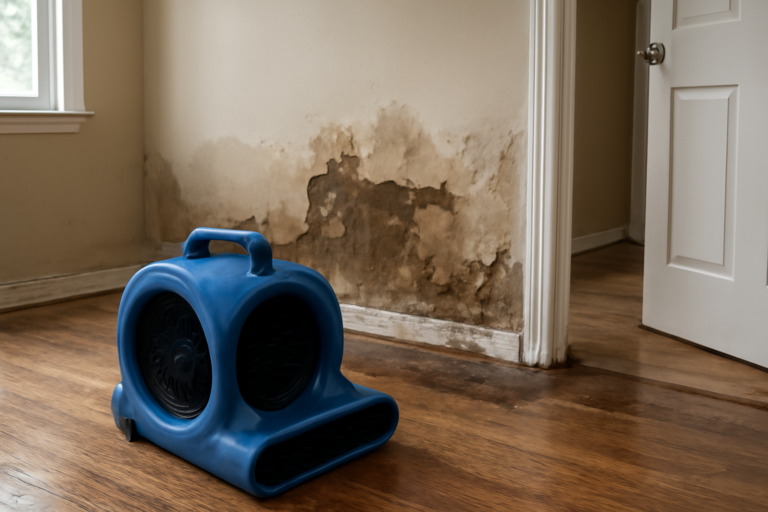
We’ll use specialized equipment to dry out your property, including your AC unit, walls, floors, and ceilings. This step is crucial in preventing mold growth and further damage.
Step 4: Cleaning and Sanitizing
We’ll clean and sanitize all surfaces to prevent mold growth and health risks. This includes your AC unit, walls, floors, and ceilings.
Step 5: Restoration and Repairs
We’ll work with you to restore your property to its original condition, including any necessary repairs to your AC unit, walls, floors, and ceilings.
Don’t wait – call us today to schedule your emergency response and get back to normal as quickly as possible.

Warning Signs You Need AC Unit Water Removal
Don’t wait until it’s too late – here are some warning signs that you need AC unit water removal:
Musty Odors That Won’t Go Away
Strong, musty odors in your home or business can be a sign of water damage. If you notice a persistent, unpleasant smell that won’t go away, it’s time to call us.
Water Stains on Your Walls or Ceiling
Water stains on your walls or ceiling can be a sign of water damage. If you notice any discoloration or water spots, it’s time to call us.
Warped or Buckled Flooring
Warped or buckled flooring can be a sign of water damage. If you notice any uneven or damaged flooring, it’s time to call us.
Mold or Mildew Growth
Mold or mildew growth can be a sign of water damage. If you notice any mold or mildew growth, it’s time to call us.
Electrical Issues or Short Circuits
Electrical issues or short circuits can be a sign of water damage. If you notice any electrical issues or short circuits, it’s time to call us.
AC Unit Water Removal vs. DIY: When to Call a Professional
| Situation | DIY? | Call a Pro? | Why |
|---|---|---|---|
| Small water spill (less than 1 gallon) | Yes | No | You can likely handle a small water spill on your own with a mop and towels. |
| Standing water (1-2 inches deep) | No | Yes | Standing water can cause serious damage and health risks if not addressed quickly. |
| Water damage to walls or ceilings | No | Yes | Water damage to walls or ceilings can lead to costly repairs and health risks if not addressed quickly. |
| Mold or mildew growth | No | Yes | Mold or mildew growth can be a serious health risk and needs professional removal. |
| Electrical issues or short circuits | No | Yes | Electrical issues or short circuits can be a serious safety risk and need professional attention. |
Don’t risk your health and safety – call us today to schedule your AC unit water removal and get back to normal as quickly as possible.
AC Unit Water Removal Cost in Murphy, TX
The cost of AC unit water removal in Murphy, TX can vary depending on the severity of the damage, the size of the affected area, and local conditions. Here are some estimated costs for common services:
| Service | Typical Price Range | What Affects Cost |
|---|---|---|
| Emergency Response | $500 – $2,000 | Severity of damage, size of affected area |
| Water Removal | $1,000 – $5,000 | Size of affected area, type of equipment needed |
| Drying and Dehumidification | $500 – $2,000 | Size of affected area, type of equipment needed |
| Cleaning and Sanitizing | $500 – $2,000 | Size of affected area, type of equipment needed |
| Restoration and Repairs | $2,000 – $10,000 | Severity of damage, size of affected area |
Exact pricing will depend on an on-site assessment, and we offer free estimates to all our customers. Don’t wait – call us today to schedule your emergency response and get back to normal as quickly as possible.
Service Areas Near Murphy, TX
We serve the following communities near Murphy, TX: Coppell, Lewisville, Flower Mound, Highland Village, Denton, Plano, Richardson, Garland, Rowlett, Rockwall, Heath, Wylie, Sachse, Murphy, Princeton, and more.
Common Questions About AC Unit Water Removal
Q: What causes AC unit water damage?
A: AC unit water damage is often caused by a combination of factors, including clogged condensate lines, frozen coils, and improper installation. Our team can help you identify the source of the problem and provide a solution.
Q: How long does it take to remove standing water?
A: The time it takes to remove standing water depends on the size of the affected area and the type of equipment needed. In most cases, we can remove standing water within 60 minutes to 2 hours.
Q: Is AC unit water removal covered by insurance?
A: Yes, AC unit water removal is often covered by insurance. Our team will work with your insurance company to ensure you get the compensation you deserve.
Q: Can I handle AC unit water removal myself?
A: No, it’s not recommended to handle AC unit water removal yourself. Standing water can cause serious damage and health risks if not addressed quickly. Our team has the expertise and equipment to handle even the toughest water damage jobs.
Q: How long does it take to dry out a property after AC unit water damage?
A: The time it takes to dry out a property after AC unit water damage depends on the size of the affected area and the type of equipment needed. In most cases, we can dry out a property within 3-5 days.