Lewisville, TX · Denton County
AC Unit Water Removal in Lewisville, TXWet AC Unit Component Drying & AC Drain Pan Water Extraction
AC Unit Water Removal in Lewisville handles AC drain pan water extraction, AC leak water cleanup and AC leak mold prevention before the water spreads.
Answered 24/7
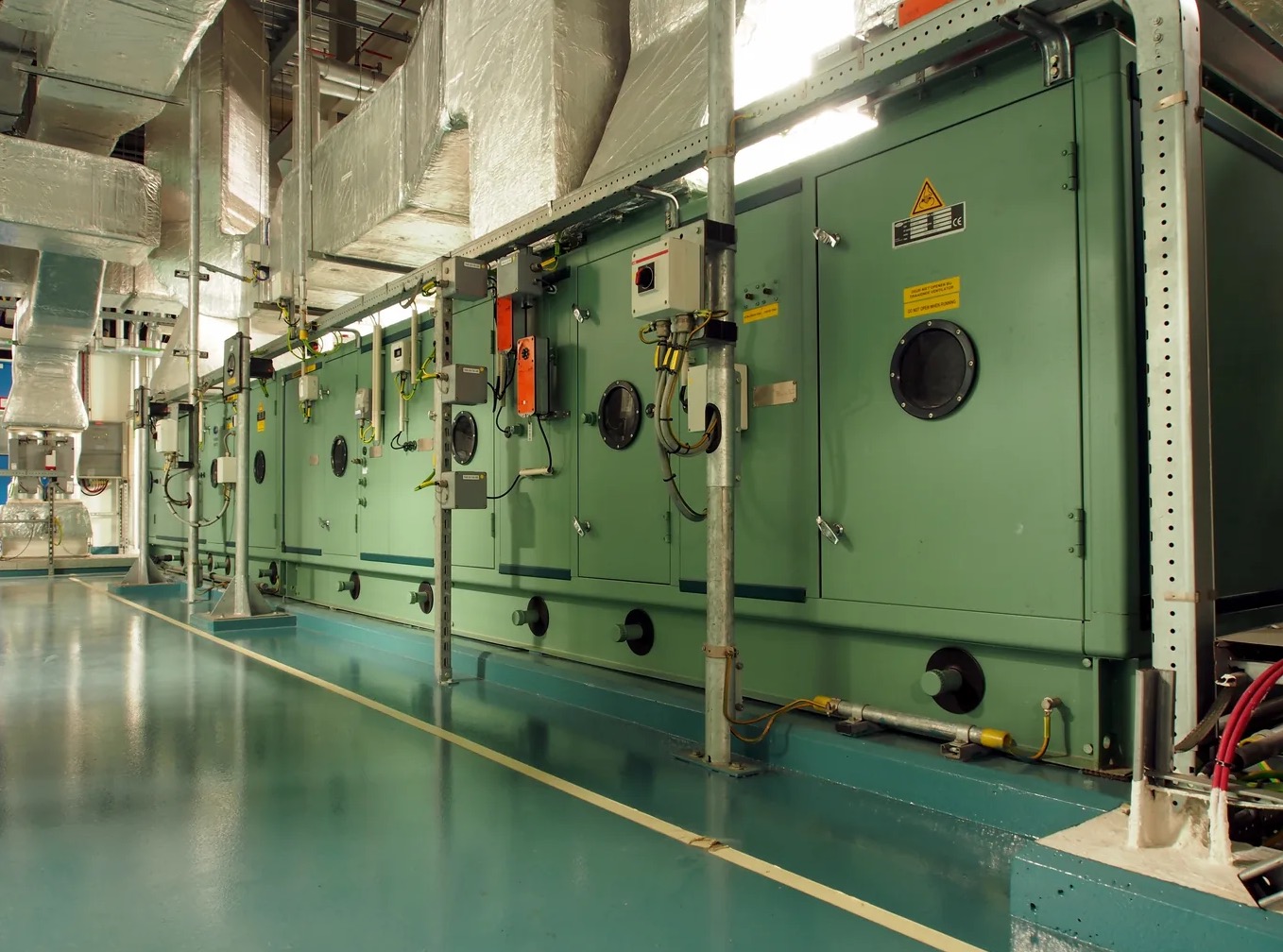
Local AC Unit Water Removal Services in Lewisville, Texas
In Lewisville, an AC that runs for months produces a steady flow of condensate. A blocked or disconnected drain line sends that flow into the house, where it soaks whatever sits below the unit.
In Lewisville, AC leaks usually show up as ceiling stains under attic units, wet carpet near the furnace closet or water dripping from a vent. Help with AC unit water removal is available across Lewisville and in Highland Village, Lake Dallas and Flower Mound, day or night, with extraction, drain clearing and drying.
The AC Unit Water Removal Process in Lewisville, TX
Wet AC Unit Component Drying
Air movers and a dehumidifier are set around the unit, and moisture readings are taken until the metal and insulation test dry.
AC Drain Pan Water Extraction
Water sitting in a full or cracked drain pan is removed before it spills over into the ceiling or walls below.
AC Leak Water Cleanup
Standing water around the indoor unit is pumped and vacuumed up first, before it wicks into drywall, baseboards or the subfloor.
Air Conditioner Restoration Services
Work finishes with cleanup and a check that the unit drains properly, so the leak does not return.
AC Leak Water Extraction
Extraction is followed by drying with air movers and dehumidifiers, with daily readings to track progress.
How to Know You Need AC Unit Water Removal in Lewisville
High Indoor Humidity Levels
Rooms that feel clammy while the AC runs may mean water is not draining and is evaporating back into the air.
Wet AC Unit Components
Damp coils, a wet blower compartment or moisture around wiring inside the cabinet mean water is collecting where it should not.
Visible Mold Near AC
Dark spots on drywall or framing near the unit mean the area has stayed wet for days.
Water on the Floor
A puddle around the air handler or furnace closet is the most direct sign of a leak.
How AC Unit Water Removal Works in Lewisville
Step 1: Emergency AC Water Removal
The unit is shut off and standing water is extracted from the drain pan, the floor and any carpet or pad it reached.
Step 2: AC Condensation Line Clearing
The drain line is flushed or vacuumed clear of algae and sludge, so condensate flows outside again.
Step 3: Wet AC Unit Component Drying
Air movers and a dehumidifier dry the cabinet interior and the walls, floor or ceiling around the unit.
Step 4: AC Leak Mold Prevention
Once readings show dry, wood and drywall that stayed wet can be treated with an antimicrobial.
Why AC Units Leak and Need Water Removal
Age and Component Wear
Older units have worn fittings, brittle seals and corroded pans that start leaking together.
High Static Pressure in Ducts
Restricted ducts can pull water off the coil and blow it into the cabinet or ductwork.
Failed Condensate Pump
Units that pump condensate uphill depend on a small pump. When it fails, the reservoir overflows.
Clogged AC Condensation Line
Algae and sludge build up in the drain line over a cooling season until water backs up into the pan.
Both Residential & Commercial AC Unit Water Removal in Lewisville
Residential AC Unit Water Removal
Attic air handlers in houses leak into bedroom and hallway ceilings. The pan is emptied, the ceiling checked with a meter and wet drywall dried or cut out before it sags.
Commercial AC Unit Water Removal
Commercial systems have larger pans and longer drain runs. Clearing the line and drying ceiling tiles and carpet keeps the space open and safe for staff and customers.
When to Hire Local Pros for AC Unit Water Removal in Lewisville
A wet vac on the condensate line outlet clears many simple clogs. If the ceiling below an attic unit is stained or sagging, stay out from under it and call (972) 736-7408 instead of poking holes in it.
Estimating Your AC Unit Water Removal Cost in Lewisville
Drying equipment is usually billed by the day, so how long materials stay wet matters. Starting quickly in Lewisville shortens drying time and lowers the total.
System Restoration Complexity
Replacing drywall, insulation or trim after drying adds material and labor to the total.
Required Drying Time
Dense materials and enclosed spaces take longer to dry, which means more equipment days.
Documentation Needs
Detailed photos and moisture logs for an insurance claim add some time to the job.
Does Insurance Cover AC Unit Water Removal?
Take photos before cleanup starts and keep receipts for any emergency work, such as extraction done at night. Both help when you file a claim for AC water damage with your insurer.
Why Choose Local Pros for AC Unit Water Removal in Lewisville
Systematic Drain Line Clearing
The condensate line is cleared, not just the water mopped up, so the leak does not come right back.
Focus on Component Preservation
Wet blower motors and wiring are dried gently to lower the risk of corrosion and electrical faults.
Preventative Microbial Treatment
Optional antimicrobial treatment can be applied to wood and drywall that stayed wet for days.
Emergency AC Unit Water Removal Available 24/7 in Lewisville
Water from an air handler spreads fast through drywall and carpet. Call (972) 736-7408 for emergency AC unit water removal in Lewisville at any time of the day or night.
Call Now (972) 736-7408AC Unit Water Removal Available in Lewisville and Surrounding Towns
Help with AC unit water removal is also available in communities near Lewisville, including Highland Village, Lake Dallas and Flower Mound, for leaking air handlers and overflowing drain pans.
- AC Unit Water Removal in Highland Village
- AC Unit Water Removal in Lake Dallas
- AC Unit Water Removal in Flower Mound
- AC Unit Water Removal in Hickory Creek
- AC Unit Water Removal in Coppell
- AC Unit Water Removal in Copper Canyon
- AC Unit Water Removal in Double Oak
- AC Unit Water Removal in Corinth
- Emergency Damage Restoration in 75029
- Storm Damage Restoration in 75029
- Water Damage Restoration in 75029
- Water Extraction Service in 75029
- Water Leak Detection in 75029
- Water Removal Service in 75029
- Emergency Damage Restoration in 75057
- Storm Damage Restoration in 75057
AC Unit Water Removal FAQs
How long does drying take after an AC leak?
Often several days, depending on the materials and how long they were wet. Daily readings track progress.
What should I do while waiting for help with an AC leak?
Turn off the AC, place towels or a bucket under the drip, move belongings out of the way and take photos.
Can a wet AC unit be saved after a leak?
Often yes. Components are dried gently and checked, but an HVAC contractor should inspect electrical parts before the unit runs again.
What clogs an AC condensate line?
Algae, sludge, dust and debris build up inside the line, especially over long cooling seasons, until water backs up into the pan.
Why document AC water damage?
Photos and moisture readings show what got wet and how it was dried, which helps your insurance claim.