Highland Village, TX · Denton County
AC Unit Water Removal in Highland Village, TXAC Leak Water Extraction & AC Condensate Drain Clearing
AC Unit Water Removal in Highland Village covers AC leak water cleanup, AC condensate drain clearing and wet AC unit component drying.
Answered 24/7
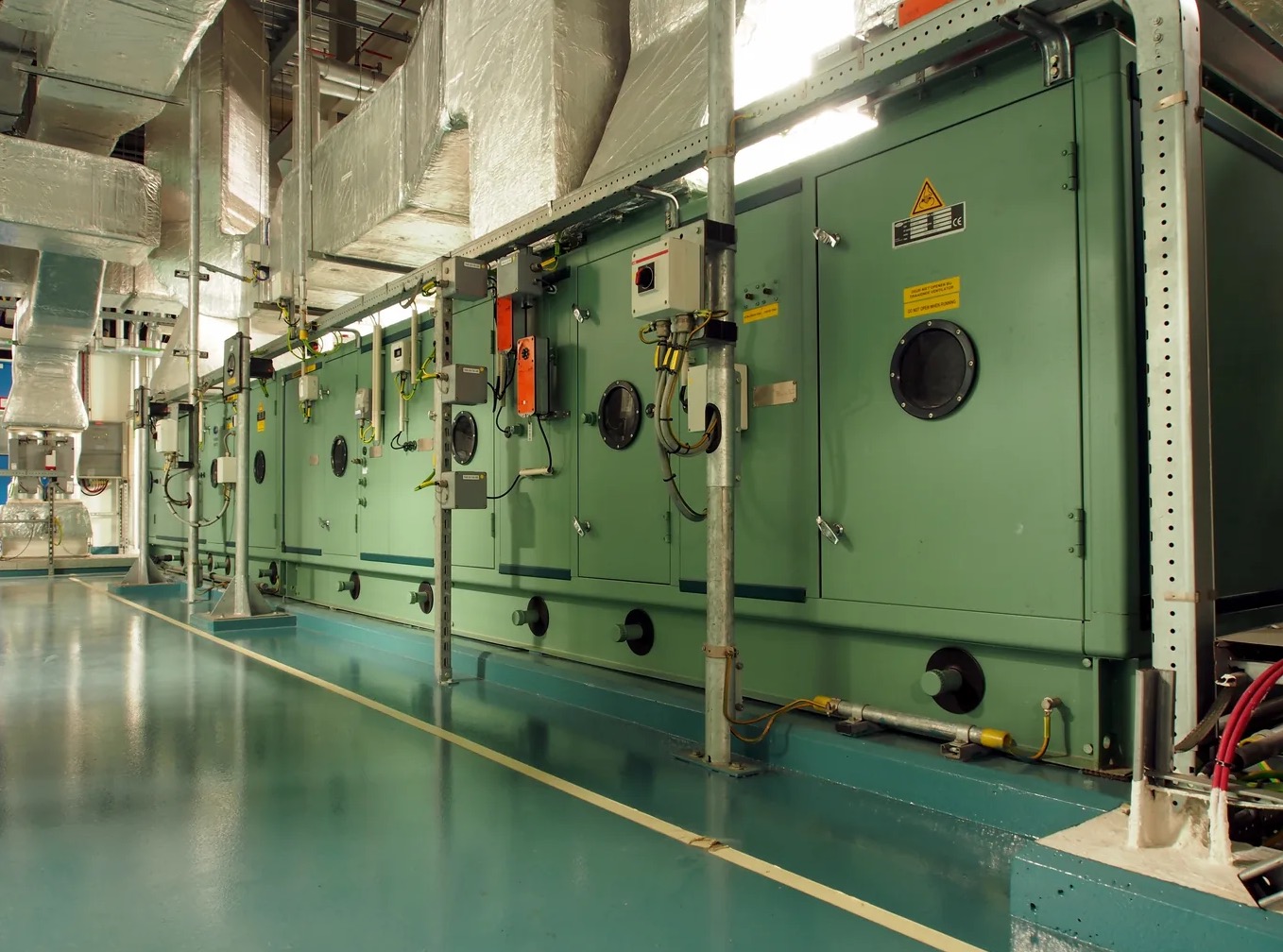
AC Unit Water Removal Near Highland Village: What to Expect
AC Unit Water Removal in Highland Village covers the whole leak, from removing standing water to drying wet materials and repairing drywall or trim afterward. Each step depends on how far the water traveled and how long it sat.
Property owners in Highland Village can call (972) 736-7408 day or night when an air handler starts leaking. Service also covers Hickory Creek, Lake Dallas and Copper Canyon, with the same extraction, drain clearing and drying process for attic, closet and garage units in houses, condos and apartments.
Complete AC Unit Water Removal and Repair in Highland Village
AC Leak Water Extraction
Extraction is followed by drying with air movers and dehumidifiers, with daily readings to track progress.
AC Condensate Drain Clearing
The PVC drain line is cleared with suction or a flush, and the trap is checked so water stops backing up into the pan.
AC Leak Water Cleanup
Standing water around the indoor unit is pumped and vacuumed up first, before it wicks into drywall, baseboards or the subfloor.
Emergency AC Water Removal
Help is available day or night for leaks that start after hours, when water dripping from an attic unit cannot wait until morning.
AC Drain Pan Water Extraction
A soaked pan in an attic unit is a ceiling leak waiting to happen. Extracting it quickly protects the drywall underneath.
How to Know You Need AC Unit Water Removal in Highland Village
Water Stains on Walls
Brown rings or peeling paint on the ceiling under an attic unit, or on walls near the closet, point to a slow leak.
AC System Shuts Off
Many units have a float switch that shuts the system off when the pan fills. If the AC stops cooling, check the pan.
Condensation Line Dripping
A condensate line that drips inside instead of outside has a crack, loose fitting or clog.
Visible Mold Near AC
Dark spots on drywall or framing near the unit mean the area has stayed wet for days.
How AC Unit Water Removal Works in Highland Village
Step 1: Leak Assessment
The pros find the source of the leak, check how far the water spread and take moisture readings.
Step 2: Source Stop and Water Removal
The drain is cleared or the leaking part isolated, then standing water is extracted from every wet area.
Step 3: System Drying and Dehumidification
Drying equipment runs until walls, floors and insulation test dry, with readings taken at each visit.
Step 4: Verification and Restoration
Final readings confirm the materials are dry, then damaged drywall, trim or ceiling panels can be replaced.
Frequent Sources of AC Water Damage
Excess Outdoor Humidity
Very humid air makes the coil produce more water than a partly clogged drain can carry.
Damaged AC Drain Pan
Metal pans rust through and plastic pans crack with age, letting water drip straight through.
Failed Condensate Pump
Units that pump condensate uphill depend on a small pump. When it fails, the reservoir overflows.
Clogged AC Condensation Line
Algae and sludge build up in the drain line over a cooling season until water backs up into the pan.
Residential and Commercial AC Unit Water Removal in Highland Village
Residential AC Unit Water Removal
In a home, an AC leak usually hits a hallway ceiling, a closet floor or the carpet near the air handler. Water removal and drying start there, followed by drywall repair if needed.
Commercial AC Unit Water Removal
In offices and stores, a leaking rooftop or ceiling unit drips onto desks, stock and floors and creates slip hazards. Work can be scheduled around business hours where possible.
When to Hire Local Pros for AC Unit Water Removal in Highland Village
DIY works for a small puddle on tile that you catch right away and wipe dry. Wet carpet and pad, or drywall that feels soft, usually need professional extraction and drying equipment to dry fully.
Estimating Your AC Unit Water Removal Cost in Highland Village
Pricing for AC unit water removal in Highland Village is set after an inspection. The pros measure the wet area, check for hidden moisture and explain each item before starting.
Required Drying Time
Dense materials and enclosed spaces take longer to dry, which means more equipment days.
Documentation Needs
Detailed photos and moisture logs for an insurance claim add some time to the job.
Emergency Service Timing
After-hours and holiday response can cost more than a scheduled weekday visit.
Does Insurance Cover AC Unit Water Removal?
Take photos before cleanup starts and keep receipts for any emergency work, such as extraction done at night. Both help when you file a claim for AC water damage with your insurer.
Advantages of Hiring Local Pros in Highland Village for AC Unit Water Removal
Industry Drying Standards
Drying follows industry water damage standards, with moisture readings at each visit.
Preventative Microbial Treatment
Optional antimicrobial treatment can be applied to wood and drywall that stayed wet for days.
Detailed Moisture Documentation
Photos and moisture readings are recorded at each visit to support your insurance claim.
Emergency AC Unit Water Removal Available 24/7 in Highland Village
Do not wait for a stained ceiling to start sagging under the weight of the water. Call (972) 736-7408 now for AC unit water removal in Highland Village and get the drying started.
Call Now (972) 736-7408AC Unit Water Removal Near Highland Village: Areas Served
Nearby areas served for AC unit water removal include Hickory Creek, Lake Dallas and Copper Canyon, with the same extraction and drying process used in Highland Village.
AC Unit Water Removal FAQ for Highland Village Homeowners
How does antimicrobial treatment help after an AC leak?
Once surfaces are dry, an antimicrobial can be applied to wood and drywall that stayed wet to slow microbial growth.
Why does the drain pan need to be emptied?
A full pan overflows into ceilings and floors. Emptying and inspecting it stops the spill and shows whether the pan is cracked.
How long does drying take after an AC leak?
Often several days, depending on the materials and how long they were wet. Daily readings track progress.
How quickly should I deal with an AC leak?
Right away. Water that sits for more than a day or two soaks into drywall and insulation and raises the risk of microbial growth.
What are signs I need water removed from around my air conditioner?
Puddles near the unit, ceiling stains, a musty smell, a full drain pan or an AC that shuts off on its own.