Reliable Toilet Overflow Water Removal in Grandview, TX
Our team has handled countless toilet overflow water removals in Grandview, TX, and surrounding areas. We’ve seen it all, from small, isolated incidents to large-scale disasters that affect the entire property. We’ve restored homes, apartments, and commercial properties damaged by overflowing toilets, and we’re here to help you through this process as well. Don’t let a clogged toilet turn into a major headache. Our team is IICRC-certified and dedicated to delivering the highest level of service in the area.
With over 165 five-star reviews, homeowners in Grandview, TX, and surrounding areas trust our team with their toilet overflow water removal needs. We understand that every situation is unique, and we tailor our approach to your specific situation. Whether it’s a small leak or a catastrophic overflow, we’ll work with you to develop a plan that meets your needs and budget.
- Fast response times (typically within 60 minutes)
- Expert technicians with IICRC certification
- Free estimates and transparent pricing
How Our Toilet Overflow Water Removal Process Works
Our process is designed to reduce disruption and stress for you and your family. We understand that every minute counts when dealing with a clogged toilet, and that’s why we move quickly and efficiently to resolve the issue. From initial assessment to final cleanup, our team will guide you through each step of the process. When you entrust us with your toilet overflow water removal, you can rest assured that you’re in good hands.
Step 1: Initial Assessment
Our team arrives quickly to assess the situation and identify the source of the overflow. We’ll use specialized equipment to detect hidden water damage and develop a plan to address it. Our crew is on site within 60 minutes.
Step 2: Water Extraction
Using powerful pumps and water extraction equipment, our team will remove standing water from your property. This step is crucial in preventing further damage and reducing the risk of mold growth. We use top-of-the-line equipment to get the job done quickly and efficiently.
Step 3: Drying and Dehumidification
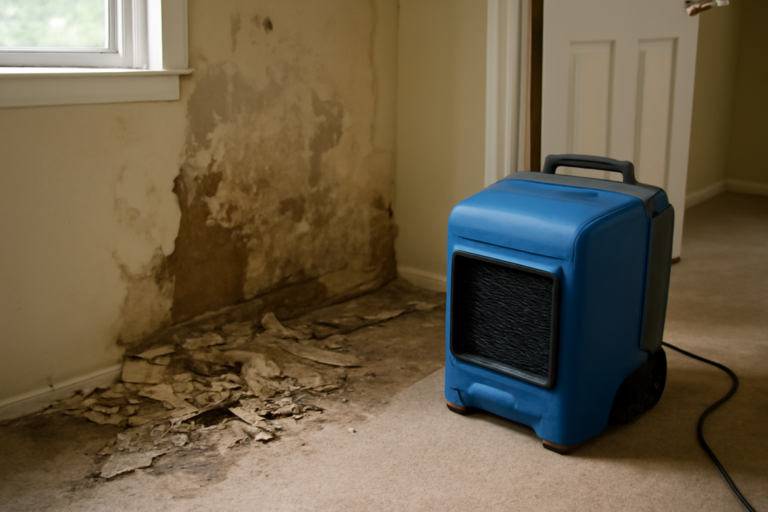
Next, we’ll use industrial-strength fans and dehumidifiers to dry out your property completely. This step is critical in preventing secondary damage and ensuring a safe environment for you and your family. We’ll work tirelessly to dry your property within 3-5 days.
Step 4: Sanitizing and Disinfecting
Once your property is dry, our team will sanitize and disinfect all affected areas to prevent the growth of bacteria, mold, and mildew. This step is essential in maintaining a healthy environment and preventing the risk of waterborne illnesses. We use only the safest, most effective cleaning solutions.
Step 5: Final Inspection and Cleanup
Finally, our team will conduct a thorough inspection to ensure that all affected areas have been thoroughly cleaned and restored. We’ll also provide you with a detailed report outlining the work completed and any recommendations for future maintenance. We’ll leave your property looking and feeling like new.
Don’t wait until the situation gets worse. Contact us today to schedule a free estimate and take the first step towards resolving your toilet overflow water removal issue. Our team is here to help 24/7.

Warning Signs You Need Toilet Overflow Water Removal
Ignoring the warning signs of a clogged toilet can lead to costly repairs and even health hazards. Here are some common signs that show you need toilet overflow water removal services:
Musty Odors That Won’t Go Away
Strong, persistent odors emanating from your toilet or surrounding areas could show a hidden water leak or overflow. Don’t ignore these smells, they can be a sign of more serious issues.
Warped or Discolored Flooring
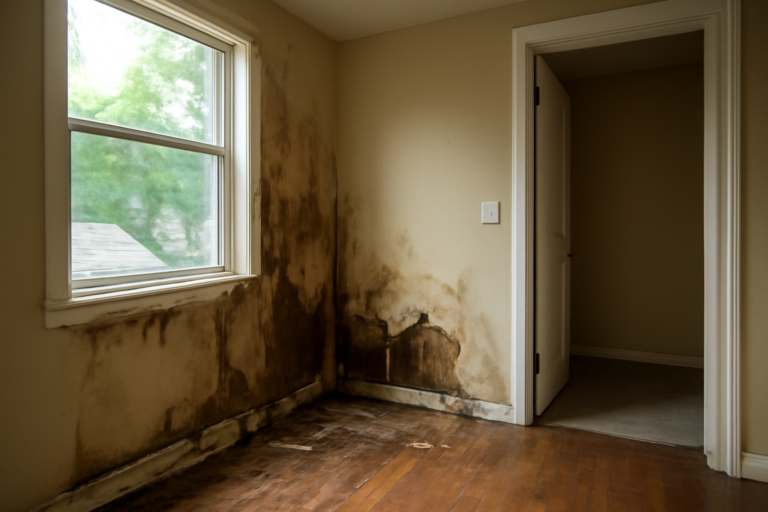
Visible signs of water damage, such as warped or discolored flooring, can be a clear indication of a clogged toilet. Don’t delay in addressing this issue, it can lead to further damage.
Visible Water Stains
Yellow or brown water stains on your ceiling or walls can be a warning sign of a hidden water leak. Act quickly to prevent further damage and costly repairs.
Increased Water Bills
Unexplained increases in your water bills can show a hidden water leak or overflow. Don’t ignore this sign, it can save you money in the long run.
Standing Water in the Bowl
Visible standing water in your toilet bowl can be a sign of a clogged drain or overflow. Don’t delay in addressing this issue, it can lead to further damage and health hazards.
Water Damage on Surrounding Areas
Water damage on surrounding areas, such as the floor or nearby cabinets, can be a clear indication of a clogged toilet. Act quickly to prevent further damage and costly repairs.
Toilet Overflow Water Removal vs. DIY: When To Call a Professional
| Situation | DIY? | Call a Pro? | Why |
|---|---|---|---|
| Small leak (less than 1 inch of water) | Yes | No | DIY fixes are usually enough for small leaks. |
| Large overflow (over 2 inches of water) | No | Yes | Professional help is necessary for large overflows to prevent further damage and health hazards. |
| Hidden water leak | No | Yes | Hidden water leaks can be difficult to detect and need professional equipment to find and repair. |
| Water damage on surrounding areas | No | Yes | Water damage on surrounding areas can lead to costly repairs and need professional expertise to mitigate. |
| Urgent situation (e.g., sewage backup) | No | Yes | Urgent situations need prompt attention from a professional to prevent further damage and health hazards. |
In many cases, DIY fixes may seem like a cost-effective solution, but they can lead to more problems down the line. When in doubt, call a professional to ensure the job is done right.
Toilet Overflow Water Removal Cost in Grandview, TX
The cost of toilet overflow water removal can vary greatly depending on the severity of the damage, the size of the affected area, and local conditions in Grandview, TX. These are estimates, not guarantees. Our team will provide you with a detailed estimate and transparent pricing.
| Service | Typical Price Range | What Affects Cost |
|---|---|---|
| Water extraction and removal | $500 – $2,500 | Severity of damage, size of affected area, equipment rental costs |
| Drying and dehumidification | $1,000 – $5,000 | Size of affected area, equipment rental costs, labor costs |
| Sanitizing and disinfecting | $500 – $2,000 | Size of affected area, equipment rental costs, labor costs |
| Final inspection and cleanup | $500 – $2,000 | Size of affected area, equipment rental costs, labor costs |
| Free estimate and consultation | $0 – $100 | Consultation time, equipment rental costs |
Exact pricing will depend on an on-site assessment by our team. We offer free estimates and transparent pricing to ensure you’re getting the best value for your money.
Service Areas Near Grandview, TX
We serve the following communities: Irving, Carrollton, Coppell, Lewisville, Flower Mound, Colleyville, Bedford, Euless, Grapevine, Haltom City, North Richland Hills, Richland Hills, Hurst, Colleyville.
Common Questions About Toilet Overflow Water Removal
Q: Will my insurance cover toilet overflow water removal costs?
A: Yes, many insurance policies cover toilet overflow water removal costs. Our team will work with you to file a claim and navigate the process. We’ll help you get the compensation you deserve.
Q: How long does the process take?
A: The length of the process depends on the severity of the damage and the size of the affected area. On average, it takes 3-5 days to complete the job. We’ll work tirelessly to get your property restored as quickly as possible.
Q: Is toilet overflow water removal a health hazard?
A: Yes, toilet overflow water removal can be a health hazard if not handled properly. Our team uses only the safest, most effective cleaning solutions to prevent the growth of bacteria, mold, and mildew. We’ll ensure your property is safe and healthy.
Q: Can I prevent toilet overflows?
A: Yes, there are several steps you can take to prevent toilet overflows. Regular maintenance, such as checking the flapper and fill valve, can go a long way in preventing these issues. Regular maintenance is key to preventing costly repairs.