Grandview, TX · Johnson County
Industrial Dehumidification in Grandview, TXStructural Drying Services & Industrial Flood Damage Restoration
For Industrial Dehumidification in Grandview, local pros handle warehouse moisture control, mold remediation services and structural drying services.
Answered 24/7
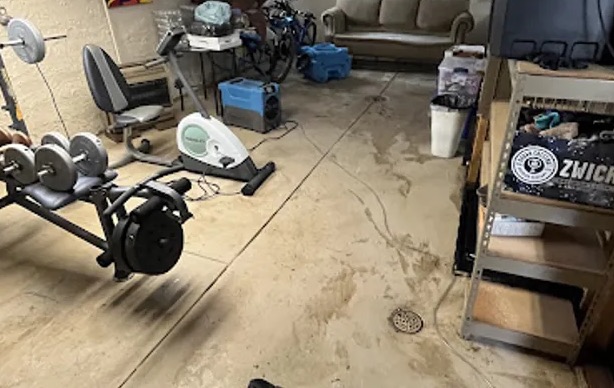
Industrial Dehumidification Solutions in Grandview, Texas
Mold is a frequent consequence of untreated moisture in warehouses, manufacturing facilities, and other large commercial spaces. It poses health risks to occupants and can damage stored products, inventory, and essential building systems over time.
Industrial dehumidification needs in Grandview and surrounding communities like Alvarado, Venus and Cleburne are handled by experienced water damage restoration pros. They manage everything from humidity control systems to flood cleanup on large sites. Help is available 24/7 whenever moisture problems come up.
Industrial Dehumidification Services in Grandview
Structural Drying Services
When water soaks into a building's framework, surface drying is insufficient. Commercial drying experts set up a controlled environment with industrial dehumidifiers.
Industrial Flood Damage Restoration
Flood waters can halt production. The experts implement a phased strategy using industrial dehumidifiers and air movers. Large dehumidifiers are sized to the building volume.
Industrial Humidity Reduction Systems
The experts implement industrial dehumidification systems that operate reliably to meet strict environmental specs. Steady humidity protects sensitive equipment and stored records.
Disaster Recovery Drying
After a large flood or leak, whole floors or wings of a building may need drying at once. High-capacity dehumidifiers and air movers make that possible.
Warehouse Moisture Control
Warehouse humidity often climbs with the seasons and after leaks. Industrial dehumidifiers bring it back down, and placing them well protects stock and packaging.
When to Call for Industrial Dehumidification in Grandview
Visible Mold
Black, green or white spots on walls or contents mean humidity has been high for too long.
Stained Ceilings or Walls
Yellow or brown water stains show where past leaks happened and where moisture may still be.
Damp Insulation or Drywall
Wet materials behind walls or above ceilings stay wet for weeks without forced drying and can rot.
Elevated Humidity Levels
Sticky air and condensation on windows or metal surfaces mean humidity in the building is too high.
How Industrial Dehumidification Works in Grandview
Step 1: Initial Water Damage Cleanup
Pumps and extractors remove the visible water to stop more damage and remove slip hazards.
Step 2: Establish Drying Environment
The area is closed off and dehumidifiers lower the humidity so moisture leaves the materials.
Step 3: Execute Structural Drying Plan
Air movers push air across wet surfaces so the water evaporates and the dehumidifiers collect it.
Step 4: Final Dryness Verification
The job ends when readings show the structure and contents are back to normal dryness.
Sources of Moisture in Industrial and Commercial Buildings
Poor Ventilation and Airflow
Poor ventilation traps moisture from work processes and people inside the building.
Process Water or Chemical Spills
Industrial processes that use liquids carry a constant risk of accidental spills and releases.
Groundwater Intrusion and Saturation
Poor drainage around the building can let water seep up through the floor.
Foundation Cracks and Seepage
Groundwater pushed up through cracks in slabs and walls keeps lower areas damp.
Residential and Commercial Industrial Dehumidification in Grandview
Residential Industrial Dehumidification
In homes, a slow roof leak can soak attic insulation and lead to mold. The pros in Grandview dry the attic once the roof is repaired and clean up the wet areas.
Commercial Industrial Dehumidification
Data centers, labs and archives need steady humidity. After water damage, temporary dehumidification protects equipment and records until conditions are stable.
Industrial Dehumidification vs. Do-It-Yourself in Grandview
For a small spill of clean water, a mop or wet vacuum is fine. If water has soaked into drywall, flooring or subfloor, call (972) 736-7408 so it can be dried before it rots or grows mold.
Factors Affecting Industrial Dehumidification Cost in Grandview
In Grandview, the type of water, whether clean, gray or black, changes the cleanup steps and the cost.
Affected Square Footage
The size of the area to be dehumidified sets how much equipment and labor are needed.
Water Contamination Level
Clean, gray and black water need different safety steps and cleanup methods.
Access Complexity
Hard-to-reach areas in a warehouse or plant take longer to set up equipment in.
Does Insurance Cover Industrial Dehumidification?
The pros provide the necessary documentation, including logs and moisture data, that the insurer typically needs to process and adjudicate the property owner's claim.
Why Choose Local Pros for Industrial Dehumidification in Grandview
IICRC-Standard Drying Methods
The pros follow industry drying standards so moisture is fully removed from the structure.
Disaster Recovery Focus
Drying, cleaning and records are coordinated so the business can reopen sooner.
Industrial-Grade Equipment
High-capacity dehumidifiers and air movers are sized for warehouses and other large spaces.
24/7 Emergency Industrial Dehumidification in Grandview
The longer water sits in a commercial building, the more damage and mold it causes. For industrial drying in Grandview, call (972) 736-7408 around the clock.
Call Now (972) 736-7408Industrial Dehumidification Coverage in Grandview, Alvarado, Venus and Cleburne
Structural drying is available for commercial properties in Grandview and the broader area, with response available for locations like Alvarado, Venus and Cleburne.
- Industrial Dehumidification in Alvarado
- Industrial Dehumidification in Venus
- Industrial Dehumidification in Cleburne
- Industrial Dehumidification in Joshua
- Industrial Dehumidification in Midlothian
- Industrial Dehumidification in Mansfield
- Industrial Dehumidification in Waxahachie
- Industrial Dehumidification in Godley
- Emergency Damage Restoration in 76050
- Storm Damage Restoration in 76050
- Water Damage Restoration in 76050
- Water Extraction Service in 76050
- Water Leak Detection in 76050
- Water Removal Service in 76050
Industrial Dehumidification FAQs for Grandview Property Owners
What is included in commercial water damage cleanup?
It covers water extraction, handling of affected contents, antimicrobial treatment when needed, structural drying and ongoing humidity control.
What areas need drying after a warehouse flood?
All wet areas: floors, walls, stored contents and often the subfloor and insulation as well.
What are humidity reduction systems?
Dehumidifiers that stay in place to hold humidity at a set level in sensitive spaces like data centers, archives or plants after water damage.
What is the goal of disaster recovery drying?
It is drying a building after a large water loss so the business can return to normal use as soon as possible.
What happens during the property restoration process?
Property restoration involves drying structural materials, cleaning affected surfaces and contents, and sometimes repairing or replacing damaged components after water intrusion.