Lake Dallas, TX · Denton County
Wet Vacuum Water Extraction in Lake Dallas, TXAppliance Leak Water Removal & Water Damaged Furniture Extraction
Wet Vacuum Water Extraction in Lake Dallas handles post-flooding subfloor drying, carpet pad water extraction, and hard surface floor water removal.
Answered 24/7
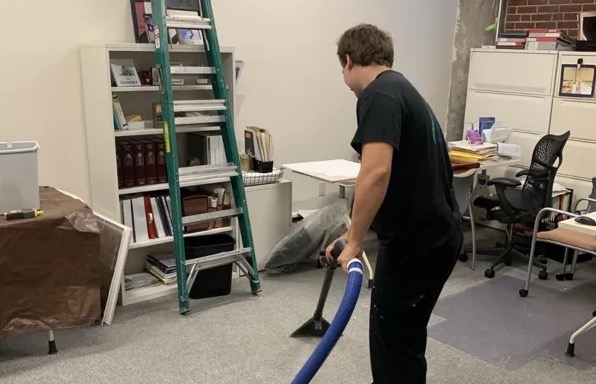
Local Wet Vacuum Water Extraction Services for Lake Dallas Homes
Effective water extraction in Lake Dallas stops water from damaging drywall, baseboards, and installed cabinetry after a flood. The goal of professional water removal is to limit the area of impact and control restoration costs.
Properties in Lake Dallas and nearby areas like Hickory Creek, Highland Village and Corinth often require wet vacuum water extraction after internal plumbing failures or accidental overflows. Local water extraction pros use industrial-grade equipment to handle carpet water extraction and hard surface drying.
Lake Dallas Wet Vacuum Water Extraction Service Details
Appliance Leak Water Removal
Local wet vacuum extraction experts perform wet vacuum extraction to contain the spill and assess moisture migration into floors and walls.
Water Damaged Furniture Extraction
Upholstered furniture holds water in its padding and frame. The pros extract it before the pieces are moved for drying.
Ceiling Leak Water Cleanup
Water from ceiling leaks can saturate insulation and drywall cavities. The affected area is contained, and extraction tools are employed to remove water from within the ceiling structure, seeking to minimize damage to the surrounding materials.
Post-Flooding Subfloor Drying
The experts establish a controlled drying environment using industrial equipment, following industry-standard methods to verify dryness.
Emergency Wet Vacuum Water Extraction
After a flood, wet vacuum extraction removes the water quickly. The experts in Lake Dallas use truck-mounted systems for large areas.
Do You Need Wet Vacuum Water Extraction in Your Lake Dallas Home?
Carpet Remains Wet After Cleaning
If carpet is still damp a day after DIY cleanup, the pad likely still holds water.
Recent Appliance or Plumbing Failure
A leaking water heater, washing machine or broken pipe needs the water removed fast to limit the damage.
Warped or Buckling Hardwood Floors
Floorboards that cup or lift have moisture underneath. Fast extraction can save the flooring.
Water Pooling Around Floor Drains
Slow drains or backups that leave standing water create a health hazard that needs safe removal.
How Wet Vacuum Water Extraction Works in Lake Dallas
Step 1: Comprehensive Moisture Mapping
Before any extraction, the pros use sensors to map all wet areas, including hidden moisture in walls and under floors.
Step 2: Gross Water Removal for Flood Cleanup
Industrial pumps and extractors clear large volumes of water from inside the property.
Step 3: Precision Extraction for Hard Surface Floors
For tile, vinyl, or concrete, pros perform hard surface floor water removal with specialized tools.
Step 4: Final Moisture Verification and Report
After drying systems run, the experts verify all areas meet dry standards. They provide documentation of the process, which is useful for your insurance claim review.
What Leads to Needing Wet Vacuum Water Extraction
Appliance Malfunctions and Leaks
Water heaters, washing machines, dishwashers and refrigerators can fail and flood the area around them.
Overflowing Bathtubs or Toilets
A simple plumbing overflow can soak bathroom floors and the rooms next to them.
Clogged or Backed-Up Sewer Lines
Sewage backups introduce contaminated water into a property. This hazardous situation requires specialized water extraction equipment and safety protocols.
Natural Disaster Related Flooding
Flash floods and river overflows can put large amounts of water inside a property.
Wet Vacuum Water Extraction for All Property Types in Lake Dallas
Residential Wet Vacuum Water Extraction
At home, water soaks into carpet and drywall. Pros extract moisture from the carpet surface and the pad beneath to prevent odors and germs.
Commercial Wet Vacuum Water Extraction
Commercial buildings have large open floors that can flood. The pros use industrial equipment to remove water from lobbies, hallways and work areas so operations can resume.
Professional Wet Vacuum Water Extraction Over DIY Methods
For a small, clean water spill, towels may suffice. A wet/dry shop vacuum can handle slightly larger areas. For water covering more than a few square feet, or if it soaks into carpet padding or subfloor, call the experts.
Pricing Considerations for Wet Vacuum Water Extraction
In Lake Dallas, cost depends on your property's needs, such as the type of flooring affected and how much drying is needed after extraction.
Structural Drying Needs
Drying subfloors or wall cavities after extraction adds time, equipment and cost.
Furniture and Content
Water damaged furniture extraction adds steps to the process, as items must be moved, assessed, and treated separately.
Affected Materials
Porous materials like carpet and pad retain more moisture than hard surfaces, extending the drying duration and effort required.
Does Insurance Cover Wet Vacuum Water Extraction?
Insurance coverage for wet vacuum water extraction depends entirely on your policy's cause-of-loss provisions. Sudden, accidental events like a burst pipe or appliance leak are commonly covered, while gradual seepage may not be. The experts in Lake Dallas document all damage with photos and moisture readings for your claim, but the final coverage decision rests with your adjuster.
Why Choose Local Experts for Wet Vacuum Water Extraction in Lake Dallas
Focused Content Handling
Salvageable furniture and belongings are carefully extracted, cleaned, and dried on-site or removed for specialized off-site restoration.
24/7 Emergency Response
Quick action is critical for water damage; local pros are available around the clock to begin extraction and mitigate loss.
Structural Drying Expertise
Pros know how to dry wall cavities and structural parts, which protects the home for the long term.
Round-the-Clock Wet Vacuum Water Extraction in Lake Dallas
Time is critical after any flooding event. Contact the professionals for assistance by calling (972) 736-7408. They provide emergency water extraction to start the recovery process.
Call Now (972) 736-7408Wet Vacuum Water Extraction Coverage in Denton County
For water damage in Lake Dallas, and in communities including Hickory Creek, Highland Village and Corinth, wet vacuum extraction is the first step.
- Wet Vacuum Water Extraction in Hickory Creek
- Wet Vacuum Water Extraction in Highland Village
- Wet Vacuum Water Extraction in Corinth
- Wet Vacuum Water Extraction in Shady Shores
- Wet Vacuum Water Extraction in Copper Canyon
- Wet Vacuum Water Extraction in Double Oak
- Wet Vacuum Water Extraction in Lewisville
- Wet Vacuum Water Extraction in Flower Mound
- Emergency Damage Restoration in 75065
- Storm Damage Restoration in 75065
- Water Damage Restoration in 75065
- Water Extraction Service in 75065
- Water Leak Detection in 75065
- Water Removal Service in 75065
FAQs About Professional Water Extraction
What areas does wet vacuum water extraction cover?
Water extraction typically covers your immediate town and surrounding communities. The experts in Lake Dallas provide services throughout Denton County and nearby areas.
Can wet vacuum extraction save water damaged furniture?
Yes, water damaged furniture extraction is often possible. Pros carefully extract water from upholstery and wood, then begin specialized drying processes to salvage valuable items.
How long does the water extraction process take?
The initial water extraction can take several hours, but the full drying process with dehumidifiers and air movers typically continues for 3 to 5 days, depending on conditions.
What's the difference between water extraction and water damage restoration?
Water extraction is the initial removal of water, while water damage restoration includes the full process: extraction, drying, cleaning, sanitizing, and any necessary repairs to the property.
How quickly should water extraction begin after flooding?
Water extraction should begin as soon as possible, ideally within 24 hours, to minimize absorption into materials and reduce the risk of structural damage and mold growth.