Irving, TX · Dallas County
Wet Vacuum Water Extraction in Irving, TXCarpet Pad Water Extraction & Hard Surface Floor Water Removal
Wet Vacuum Water Extraction in Irving provides carpet pad water extraction, appliance leak water removal, and emergency wet vacuum water extraction.
Answered 24/7
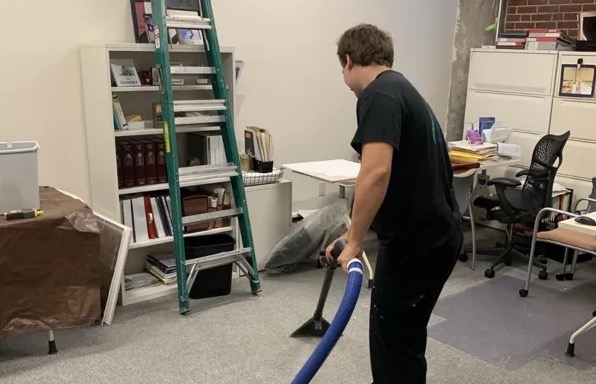
Professional Wet Vacuum Water Extraction in Irving, TX
Timely water extraction services in Irving safeguard against the warping, staining, and odors that follow water incidents. Whether from a broken appliance or a storm, water must be removed quickly to save your floors and furnishings.
Properties in Irving and nearby areas like Grand Prairie, Farmers Branch and Euless often require wet vacuum water extraction after internal plumbing failures or accidental overflows. Local water extraction pros use industrial-grade equipment to handle carpet water extraction and hard surface drying.
Wet Vacuum Water Extraction Solutions for Irving
Carpet Pad Water Extraction
For carpets in Irving, proper wet vacuum water extraction targets both the surface fibers and the soaked pad below. Using specific wand techniques, wet vacuum extraction experts pull moisture from the entire assembly to enable effective drying and potential salvage.
Hard Surface Floor Water Removal
Removing water from tile, vinyl, or laminate floors calls for specialized floor tools. Squeegee wands are commonly used to channel water toward vacuum hoses, helping to prevent migration into adjacent rooms and seepage into the subfloor.
Ceiling Leak Water Cleanup
For a leaking ceiling, the pros open the cavity, remove the pooled water and prepare the area for drying and repair.
Emergency Wet Vacuum Water Extraction
Rapid removal of bulk water following a flood event in Irving defines emergency wet vacuum water extraction.
Post-Flooding Subfloor Drying
Hidden subfloor moisture is a major concern after the visible water is gone. In Irving, the pros implement targeted post-flooding subfloor drying with air movers and dehumidifiers to achieve the moisture standards required for reconstruction.
Indicators for Emergency Wet Vacuum Water Extraction
Mold or Mildew Growth Visible
Spotting mold indicates prolonged dampness. The experts must remove the source moisture before any remediation can begin.
Carpet Remains Wet After Cleaning
If carpet is still damp a day after DIY cleanup, the pad likely still holds water.
Water Stains on Ceilings or Walls
Stains from a past or active leak mean water has soaked into building materials.
Squeaky or Soft Spots in Flooring
Creaks or a soft give in the floor often mean the subfloor has water damage.
How Wet Vacuum Water Extraction Works in Irving
Step 1: Comprehensive Moisture Mapping
Before any extraction, the pros use sensors to map all wet areas, including hidden moisture in walls and under floors.
Step 2: Gross Water Removal for Flood Cleanup
Industrial pumps and extractors clear large volumes of water from inside the property.
Step 3: Precision Extraction for Hard Surface Floors
For tile, vinyl, or concrete, pros perform hard surface floor water removal with specialized tools.
Step 4: Final Moisture Verification and Report
After drying systems run, the experts verify all areas meet dry standards. They provide documentation of the process, which is useful for your insurance claim review.
What Leads to Needing Wet Vacuum Water Extraction
Clogged or Backed-Up Sewer Lines
Sewage backups introduce contaminated water into a property. This hazardous situation requires specialized water extraction equipment and safety protocols.
Appliance Malfunctions and Leaks
Water heaters, washing machines, dishwashers and refrigerators can fail and flood the area around them.
Fire Suppression System Activation
A sprinkler discharge during a fire puts a lot of water into a building.
Roof Leaks and Ceiling Penetration
Damaged shingles or flashing let water into attics and down into ceilings, soaking insulation and drywall.
Wet Vacuum Water Extraction for Homes and Businesses in Irving
Residential Wet Vacuum Water Extraction
At home, water soaks into carpet and drywall. Pros extract moisture from the carpet surface and the pad beneath to prevent odors and germs.
Commercial Wet Vacuum Water Extraction
Commercial buildings have large open floors that can flood. The pros use industrial equipment to remove water from lobbies, hallways and work areas so operations can resume.
Wet Vacuum Water Extraction vs. DIY: When to Call Local Experts
For a small leak from an appliance, you can unplug the unit and wipe up the visible water. If the leak has traveled under cabinets or into adjacent rooms, this is beyond DIY scope.
Factors Affecting Wet Vacuum Water Extraction Cost
For water damage cleanup in Irving, the cost is shaped by the source of the water and the required equipment.
Furniture and Content
Water damaged furniture extraction adds steps to the process, as items must be moved, assessed, and treated separately.
Specialized Equipment Use
Employing industrial-grade wet vacuums, air movers, and dehumidifiers for thorough drying constitutes a major part of the service.
Emergency Service Timing
A 24/7 response for sudden flooding involves mobilization outside standard hours, impacting the service structure.
Does Insurance Cover Wet Vacuum Water Extraction?
Insurance coverage for wet vacuum water extraction depends entirely on your policy's cause-of-loss provisions. Sudden, accidental events like a burst pipe or appliance leak are commonly covered, while gradual seepage may not be. The experts in Irving document all damage with photos and moisture readings for your claim, but the final coverage decision rests with your adjuster.
The Value of Professional Wet Vacuum Water Extraction
Cross-Contamination Prevention
Proper containment and air filtration during water extraction and drying protect unaffected areas of your home from airborne contaminants.
Documentation for Insurance
Detailed reports with photos and moisture data are prepared to support your insurance claim, providing clear evidence of the damage and restoration.
Comprehensive Moisture Mapping
Using moisture meters and thermal imaging, experts identify hidden saturation in subfloors and walls that would otherwise be missed.
24/7 Wet Vacuum Water Extraction Response Available
Don't let water sit and cause more damage. For emergency carpet water extraction and drying in Irving, call (972) 736-7408 at any hour.
Call Now (972) 736-7408Wet Vacuum Water Extraction Throughout Irving and Beyond
For water damage in Irving, and in communities including Grand Prairie, Farmers Branch and Euless, wet vacuum extraction is the first step.
- Wet Vacuum Water Extraction in Grand Prairie
- Wet Vacuum Water Extraction in Farmers Branch
- Wet Vacuum Water Extraction in Euless
- Wet Vacuum Water Extraction in Carrollton
- Wet Vacuum Water Extraction in Highland Park
- Wet Vacuum Water Extraction in Coppell
- Wet Vacuum Water Extraction in Grapevine
- Wet Vacuum Water Extraction in Bedford
- Emergency Damage Restoration in 75014
- Storm Damage Restoration in 75014
- Water Damage Restoration in 75014
- Water Extraction Service in 75014
- Water Leak Detection in 75014
- Water Removal Service in 75014
- Emergency Damage Restoration in 75015
- Storm Damage Restoration in 75015
Wet Vacuum Water Extraction FAQs
What equipment is used for water extraction?
Water extraction equipment includes truck-mounted or portable extractors, submersible pumps, moisture meters, air movers, and dehumidifiers to remove water and dry materials completely.
Is water extraction needed for hard surface floors?
Yes. Water on hard floors seeps into seams, under the flooring and into walls, so it needs extraction and drying.
Why is post-flooding subfloor drying important?
Moisture trapped in wood or concrete subfloors causes warping, decay and mold, which harms the structure and the air.
What areas does wet vacuum water extraction cover?
Water extraction typically covers your immediate town and surrounding communities. The experts in Irving provide services throughout Dallas County and nearby areas.
What happens during emergency water removal?
Emergency water removal involves quick action to extract standing water, set up drying equipment, and contain the area to prevent cross-contamination, stabilizing the situation.