Colleyville, TX · Tarrant County
Water Heater Leak Water Removal in Colleyville, TXWater Heater Flood Drying & Water Heater Leak Mold Prevention
Water Heater Leak Water Removal in Colleyville begins with water heater leak moisture inspection, followed by water heater leak water extraction and water heater flood drying for a cleanup.
Answered 24/7
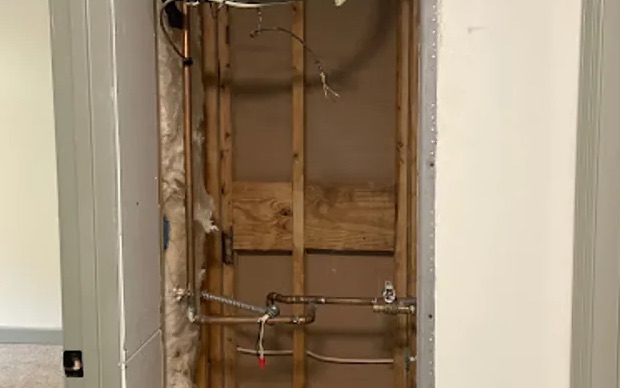
Professional Water Heater Leak Water Removal in Colleyville, TX
In homes throughout Colleyville, a leaking water heater often goes unnoticed until significant water damage has occurred. This can affect adjacent rooms and create hidden moisture pockets that compromise drywall, flooring, and other building materials, requiring thorough inspection.
For water heater flood cleanup in Colleyville and the broader Tarrant County area, professional intervention makes a significant difference. The local water damage pros follow a systematic protocol for water extraction and drying, which helps minimize disruption.
The Water Heater Leak Water Removal Process in Colleyville
Water Heater Flood Drying
Thorough drying removes residual moisture from walls and subfloors. The pros deploy industrial air movers and dehumidifiers in a strategic pattern for homes in Colleyville.
Water Heater Leak Mold Prevention
Preventing mold growth is a proactive measure taken after drying is complete. Specialized biocides are applied to cleaned surfaces by the professionals as a final safeguard.
Hot Water Heater Leak Cleanup
Hot water heater leaks involve scalding water that can warp materials. The pros remove the hot water, then clean and disinfect the area.
Water Heater Leak Water Extraction
Fast extraction keeps the damage zone small after a water heater fails. The pros in Colleyville remove the bulk water so drying and cleaning can begin.
Water Heater Leak Moisture Inspection
A detailed moisture inspection finds hidden water from a leak. The pros use infrared cameras to map saturation behind walls and under floors in Colleyville.
When to Call for Water Heater Leak Water Removal in Colleyville
Low Water Pressure Issues
A sudden drop in hot water pressure often precedes a major leak. This is a common warning before significant water heater flooding occurs.
Unusual Utility Bill Spike
A sharp rise in your water bill can point to a slow, hidden leak from the water heater.
Water Heater Flood Content Cleaning
Wet boxes or stored items in the water heater closet mean water has been collecting there.
Discolored or Rusty Water
Brown or rusty water from hot taps can mean the tank is corroding inside and may start to leak.
How Water Heater Leak Water Removal Works in Colleyville
Step 1: On-Scene Damage Evaluation
The pros evaluate the leaking water heater damage to determine the necessary equipment and timeline.
Step 2: Flood Water Removal Process
Standing water and excess moisture are removed from the floor with extraction tools.
Step 3: Detailed Area Drying Phase
The focus shifts to thoroughly drying the structure, including hard-to-reach spaces. This water heater flood drying phase may take several days with continuous monitoring.
Step 4: Content Cleaning When Applicable
If belongings were affected, water heater flood content cleaning is performed on-site or at a specialized facility.
Common Causes of Water Heater Leaks in Colleyville
Excessive Water Pressure
High household water pressure strains fittings and the tank and makes leaks more likely over time.
Old Age and General Wear
Most water heaters have a finite lifespan. As they age, general wear on all components increases the risk of a water heater leak.
Pressure Relief Valve Failure
A stuck or faulty temperature and pressure relief valve is a common cause of hot water heater flooding and sudden water discharge.
Sediment Buildup and Overheating
Sediment at the bottom of the tank causes overheating and stress that can crack it.
Residential and Commercial Water Heater Leak Water Removal in Colleyville
Residential Water Heater Leak Water Removal
Home water heaters located in attics create a high-risk scenario, as leaks can cascade through ceilings. The experts prioritize emergency water heater leak response to contain the flow.
Commercial Water Heater Leak Water Removal
In restaurants or hotels, a water heater leak can contaminate food prep areas or damage guest room finishes. The pros conduct specialized hot water heater leak cleanup following industry standards.
When to Hire Local Pros for Water Heater Leak Water Removal
Do not ignore a small drip from the water heater. Slow leaks cause corrosion, mold and water damage over time, so have the water removed and the area dried.
What Influences Water Heater Leak Water Removal Cost in Colleyville
The final cost for emergency water heater leak service is shaped by how soon the leak is caught, the scale of water extraction needed, and the subsequent drying and dehumidification process.
Water Heater Type
The specific model and installation location of the water heater can impact accessibility and the techniques needed for water extraction.
Material Damage
Costs rise if the leak soaked drywall, flooring or cabinets that need repair or replacement.
Leak Duration
How long the hot water heater flooding has been ongoing affects water penetration depth and potential secondary damage, influencing restoration complexity.
Does Insurance Cover Water Heater Leak Water Removal?
Insurance coverage for emergency water heater leak service is often contingent on the incident being a covered peril under your policy. The water extraction and drying reports from professionals serve as vital evidence for your adjuster.
Why Colleyville Homeowners Trust Water Removal Pros
Mold Prevention Protocols
Applying EPA-registered antimicrobials during water heater leak cleanup inhibits mold growth where water has contacted porous materials.
Comprehensive Moisture Inspection
Detailed moisture mapping helps ensure all affected areas from the leaking water heater are identified and addressed during the drying process.
Advanced Drying Equipment
Industrial-grade air movers and dehumidifiers are used for thorough water heater flood drying, targeting hidden moisture in walls and floors.
Around-the-Clock Water Heater Leak Water Removal
Water heater flooding the floor? Shut off its water supply and call (972) 736-7408 24/7 to arrange water extraction and drying.
Call Now (972) 736-7408Areas Served for Water Heater Leak Water Removal
Water heater flood in Colleyville? Extraction and drying are available here and in neighboring places like Bedford, Hurst and Southlake.
- Water Heater Leak Water Removal in Bedford
- Water Heater Leak Water Removal in Hurst
- Water Heater Leak Water Removal in Southlake
- Water Heater Leak Water Removal in Euless
- Water Heater Leak Water Removal in North Richland Hills
- Water Heater Leak Water Removal in Grapevine
- Water Heater Leak Water Removal in Watauga
- Water Heater Leak Water Removal in Keller
- Emergency Damage Restoration in 76034
- Storm Damage Restoration in 76034
- Water Damage Restoration in 76034
- Water Extraction Service in 76034
- Water Leak Detection in 76034
- Water Removal Service in 76034
FAQ for Water Heater Leak Water Removal in Colleyville
How does moisture inspection work for a leak?
Moisture inspection for a water heater leak uses specialized meters to detect water saturation in materials behind walls and under floors, guiding the drying strategy.
What are the steps in water heater leak restoration?
Steps in water heater leak restoration typically include stopping the leak, extracting water, thorough drying, sanitizing, moisture verification, and coordinating any necessary repairs.
What items need content cleaning after a flood?
After a water heater flood, content cleaning may be needed for stored boxes, tools, or other items in the vicinity that got wet, using appropriate cleaning techniques.
How is water damage documented for insurance?
Water damage is documented for insurance with photographs, moisture reading logs, and a detailed scope of work from the pros to support your claim.
Does water heater leak mold prevention always apply?
Water heater leak mold prevention, like antimicrobial application, is recommended on porous materials that got wet to inhibit mold during the drying period.