Southlake, TX · Tarrant County
Water Damage Restoration in Southlake, TXWater Damage Repair & Mold Prevention After Water Damage
Water Damage Restoration in Southlake covers sewage cleanup, storm damage repair and structural drying.
Answered 24/7
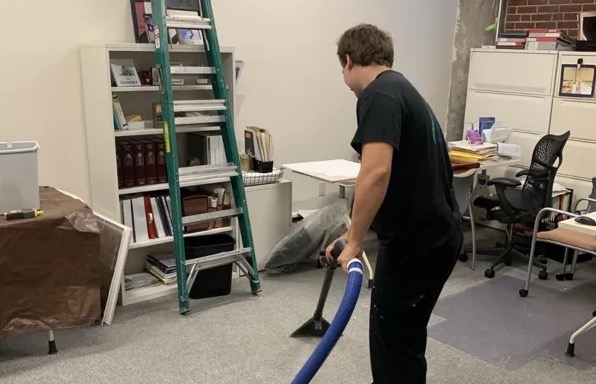
Water Damage Restoration Solutions in Southlake, Texas
In Southlake, water damage can ruin floors, walls and belongings and lead to mold within days. Local water removal pros remove the water and dry the structure.
In Southlake and nearby Grapevine, Colleyville and Trophy Club, the pros extract water and dry the structure to industry standards after leaks and floods, before swelling, odor and mold set in.
Core Water Damage Restoration Methods Used in Southlake
Water Damage Repair
After drying, pros rebuild what water damaged, patching drywall and laying new flooring so rooms in Southlake homes work as before.
Mold Prevention After Water Damage
Drying wet drywall, framing and carpet to normal readings limits the moisture mold needs in Southlake homes.
Structural Drying
Drying equipment is placed for good airflow, and readings are taken until the building is dry in Southlake.
Storm Damage Repair
After a storm, the pros tarp roof damage, extract water and dry wet walls and floors. The pros in Southlake handle the inside of the house.
Sewage Cleanup
Sewage is Category 3 water. Cleanup includes removing the sewage, disinfecting surfaces and drying the area in Southlake.
Signs Your Southlake Property Needs Water Damage Help
Sagging or Bubbling Drywall
Drywall that swells, sags or bubbles has absorbed a lot of water and needs drying or removal.
Cracked or Warping Floorboards
Hardwood floors that warp, cup, or crack are reacting to moisture. The pros can assess and begin drying.
Musty Odors in Rooms
A persistent musty smell often means hidden moisture and mold growing behind walls or under floors.
Wet Spots on Carpets
Carpet or pad that stays damp means water has soaked deep into the floor, where it can rot the subfloor.
How Water Damage Restoration Works in Southlake
Step 1: Assessment and Moisture Mapping
Pros use sensors and cameras to map the full extent of moisture in materials.
Step 2: Flood Water Removal
Heavy-duty pumps and extractors eliminate all pooling water from the affected area. Fast flood cleanup prevents secondary damage and mold growth.
Step 3: Targeted Drying Procedures
Specialized drying equipment is aimed at hard-to-reach areas like subfloors and the insides of walls.
Step 4: Mold Prevention and Restoration
Areas are treated to inhibit mold, followed by necessary reconstruction. The final step aims to return your space to its pre-damage condition.
Leading Causes of Water Damage in Southlake
Bathroom Fixture Failures
Failed toilet seals, overflowing tubs and leaking shower pans soak carpet and subfloors over time.
Sewer Line Backups or Overflows
Blocked main sewer lines or septic failures can push sewage up into the home through drains.
Roof Leaks From Storm Damage
Wind-driven rain, hail or fallen debris can break through roofing and let water into the home.
Fire Suppression System Activation
Fire sprinklers that discharge during a fire or by accident put a lot of water into a building.
Water Damage Restoration for All Property Types in Southlake
Residential Water Damage Restoration
Water damage in homes demands quick action to protect personal belongings and structure. The pros address leaks from appliances, roof failures, or plumbing to prevent mold.
Commercial Water Damage Restoration
For businesses, water damage halts operations and puts stock, equipment and data at risk. Pros extract water from offices, stores and warehouses and dry the structure to get you reopened.
Water Damage Restoration vs. DIY: When to Call Water Removal Pros
After turning off power, mop water off hard floors. Put foil or plastic under furniture legs on wet carpet to prevent stains. If flooring buckles or cups, call the pros for drying.
Understanding Water Damage Restoration Costs in Southlake
In Southlake, how long the water sat affects cost. A leak stopped quickly does little damage, while long saturation soaks deeper and needs more drying.
Area Accessibility
Difficult-to-access areas like crawl spaces or attics may require specialized equipment, increasing the time and cost for the experts to complete the work.
Affected Materials
Restoration costs vary if water damages drywall, hardwood floors, or custom cabinetry, as each material has different repair or replacement requirements.
Drying Time Required
How long air movers and dehumidifiers must run affects equipment cost and job length.
Does Insurance Cover Water Damage Restoration?
Mold cleanup after water damage might be covered if the mold came from a sudden, covered leak. Coverage is often limited, so review your policy.
The Case for Local Pros in Southlake, TX
Contamination Safety Protocols
For sewage or dirty flood water, the pros wear protective gear and treat surfaces to reduce health risks.
Comprehensive Water Extraction
Industrial pumps and extractors remove standing water in homes and commercial buildings.
Detailed Damage Documentation
Pros systematically photograph the damage and record moisture readings, creating a clear visual and data record that can be useful for insurance purposes.
24/7 Emergency Water Damage Restoration in Southlake
Storm damage and plumbing failures can happen at any time. Call (972) 736-7408 day or night for emergency water damage cleanup and repair from local pros.
Call Now (972) 736-7408Water Damage Restoration Near Southlake: Areas Served
From Southlake to Grapevine, Colleyville and Trophy Club, the pros dry wet carpet and structures and repair storm damage.
- Water Damage Restoration in Grapevine
- Water Damage Restoration in Colleyville
- Water Damage Restoration in Trophy Club
- Water Damage Restoration in Keller
- Water Damage Restoration in Flower Mound
- Water Damage Restoration in Roanoke
- Water Damage Restoration in North Richland Hills
- Water Damage Restoration in Bedford
- Water Damage Restoration in 76092
Answers to Top Water Damage Restoration Questions
What happens during the flood cleanup process?
Flood cleanup starts with pumping out standing water. Then, mud and debris are removed. The area is cleaned and disinfected.
What does storm damage restoration involve?
It handles water that wind or rain let in, combining water removal, drying and repairs to the roof or siding.
Why can mold become a problem after water damage?
Mold can grow in damp materials within 24 to 48 hours. If moisture remains after drying, mold removal may be needed.
How quickly should water extraction begin after a flood?
As soon as it is safe. Standing water speeds up damage, and mold can start within 24 to 48 hours.
What is involved in the water damage restoration process?
The process begins with an assessment and emergency water extraction. Then, structural drying services using industrial equipment remove moisture.