ZIP 76126 · Fort Worth, TX · Tarrant County
Water Damage Restoration in 76126Flood Cleanup & Sewage Cleanup
For Water Damage Restoration in Fort Worth, services like water removal, structural drying, and flood cleanup are critical.
Answered 24/7
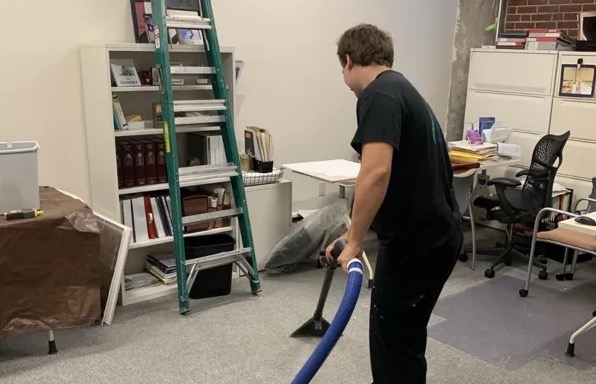
Expert Water Damage Restoration for Properties in 76126
In the Fort Worth area, water can damage building materials and indoor air. Local water removal pros restore homes and businesses, cleaning up sewage backups and drying the structure.
In Fort Worth and nearby Crowley and Godley, local water removal pros extract water and dry the structure to industry standards after leaks and floods, before swelling, odor and mold set in.
Core Water Damage Restoration Methods Used in 76126
Flood Cleanup
Flood cleanup deals with large water volumes inside a building. It prioritizes safety with hazard assessment.
Sewage Cleanup
A sewage spill is a biohazard. The pros in Fort Worth remove the contaminated water, disinfect and clear the odor with the right protective gear.
Mold Prevention After Water Damage
Surfaces that stayed wet are cleaned and treated with an antimicrobial after drying in Fort Worth homes.
Water Removal
Quick water removal in Fort Worth extracts standing water using powerful pumps. This first step helps prevent further damage to floors and base materials.
Structural Drying
Structural drying stabilizes the property to prevent secondary damage. It requires knowledge of drying science and the right equipment. For properties in Fort Worth, this service is fundamental.
Signs Your 76126 Property Needs Water Damage Help
Musty Odors in Rooms
A persistent musty smell often means hidden moisture and mold growing behind walls or under floors.
Sagging or Bubbling Drywall
Drywall that swells, sags or bubbles has absorbed a lot of water and needs drying or removal.
Cracked or Warping Floorboards
Hardwood floors that warp, cup, or crack are reacting to moisture. The pros can assess and begin drying immediately.
Wet or Damp Attic Insulation
Damp insulation in the attic loses effectiveness and can rot wood. Attic drying and removal may be necessary for proper repair.
How Water Damage Restoration Works in 76126
Step 1: Source Stop and Water Extraction
First, the water source is contained or repaired. Then, experts perform thorough water extraction from all affected surfaces and materials.
Step 2: Air Circulation and Drying
Air movers push air across wet surfaces to speed up evaporation from floors and walls.
Step 3: Antimicrobial Application
After drying, surfaces that stayed wet are treated with an antimicrobial to help keep mold from starting.
Step 4: Repair and Documentation
Any necessary water damage repair is performed to restore the property. Detailed documentation, including photos, is compiled for your insurance provider.
Leading Causes of Water Damage in 76126
Sewer Line Backups or Overflows
Blocked main sewer lines or septic failures can push sewage up into the home through drains.
Bathroom Fixture Failures
Failed toilet seals, overflowing tubs and leaking shower pans soak carpet and subfloors over time.
Appliance Malfunctions and Leaks
Water heaters, washing machines, dishwashers and refrigerators can leak or overflow suddenly and flood the floor.
Fire Suppression System Activation
Fire sprinklers that discharge during a fire or by accident put a lot of water into a building.
Water Damage Restoration for All Property Types in 76126
Residential Water Damage Restoration
In residences, hidden moisture in walls or under floors can warp materials and attract pests. Residential water damage repair involves precise moisture mapping and targeted drying.
Commercial Water Damage Restoration
Offices and stores have drop ceilings and raised floors that trap water. Pros use industrial equipment for large-scale removal and drying and document it for business interruption claims.
Professional Water Damage Restoration or DIY in 76126?
Catch a small leak under a kitchen sink with a bucket, dry the cabinet and take out stored items. If the cabinet floor or the wall behind got soaked, have it checked for hidden moisture.
Understanding Water Damage Restoration Costs in 76126
Cost for water damage cleanup in Fort Worth depends heavily on the water's source. Clean water from a supply line is less complex than contaminated sewage, which demands specialized safety and disposal procedures, increasing overall expense.
Emergency Service Timing
Night and weekend extraction can carry a different rate than work during business hours.
Drying Time Required
How long air movers and dehumidifiers must run affects equipment cost and job length.
Affected Materials
Restoration costs vary if water damages drywall, hardwood floors, or custom cabinetry, as each material has different repair or replacement requirements.
Does Insurance Cover Water Damage Restoration?
Mold cleanup after water damage might be covered if the mold came from a sudden, covered leak. Coverage is often limited, so review your policy.
Selecting Water Removal Pros for Water Damage Restoration in 76126
Thorough Structural Drying
Air movers and dehumidifiers dry the structure and contents until readings are back to normal.
Detailed Damage Documentation
Pros systematically photograph the damage and record moisture readings, creating a clear visual and data record that can be useful for insurance purposes.
Comprehensive Water Extraction
Industrial pumps and extractors remove standing water fast in homes and commercial buildings.
Round-the-Clock Water Damage Restoration in 76126
Water intrusion doesn't wait for business hours. Whether it's a burst pipe or storm flooding, you need help now. Call (972) 736-7408 for 24/7 emergency water removal services from the pros serving Fort Worth.
Call Now (972) 736-7408Water Damage Restoration Near 76126: Areas Served
Water damage restoration is available in Fort Worth and nearby areas like Crowley and Godley, from indoor leaks to storm flooding.
Frequently Asked Water Damage Restoration Questions
What is Category 3 water during sewage cleanup?
Category 3 water is grossly contaminated, containing pathogens, as from sewage backups, flooding from rivers, or standing water that has become stagnant.
Why can mold become a problem after water damage?
Mold can grow in damp materials within 24 to 48 hours. If moisture remains after drying, mold removal may be needed.
How do restoration pros document water damage for insurance?
Photos and video of the damage, moisture and thermal readings and notes describing the scope of work for the claim file.
How do professionals handle a sewage backup cleanup?
Sewage cleanup requires strict safety protocols due to contaminants. The process involves removing the hazardous waste, thorough cleaning and disinfecting affected areas, and often removing porous materials that cannot be adequately sanitized.
What are common causes of residential water damage?
Common causes include plumbing failures like burst pipes, appliance leaks from water heaters or washing machines, roof leaks, and flooding from severe weather.