ZIP 75083 · Richardson, TX · Dallas County
Water Damage Restoration in 75083Flood Cleanup & Water Extraction
For reliable water damage restoration in Richardson, rely on water extraction, flood cleanup, and water damage repair by experienced restoration pros.
Answered 24/7
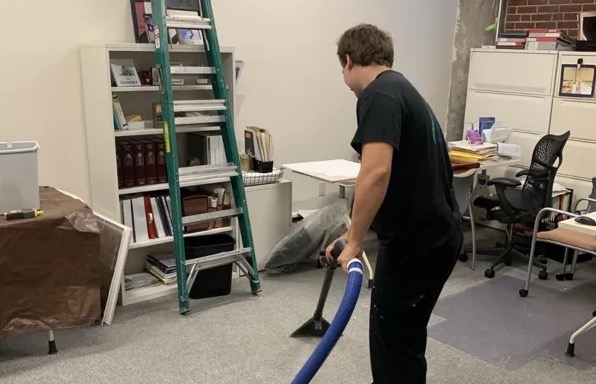
Professional Water Damage Restoration in 75083, TX
In Richardson, moisture that stays in a building leads to big repairs and health problems. Local water extraction experts remove the water and dry out the hidden dampness, removing mold when needed.
In Richardson and nearby Plano, Garland and Addison, the pros respond 24/7 to sewage backups and other water damage, extracting and drying until moisture readings are normal.
Comprehensive Water Damage Restoration Offerings in 75083
Flood Cleanup
After a flood, the pros extract the water, clear debris and clean affected surfaces in Richardson properties.
Water Extraction
Water extraction pulls moisture from saturated materials like carpets and padding. This deep process prevents warping and mold growth.
Water Damage Repair
After drying, repair work addresses cosmetic and functional damage. This may mean replacing warped cabinets, swollen doors, or damaged subflooring.
Structural Drying
Drying equipment is placed for good airflow, and readings are taken until the building is dry in Richardson.
Sewage Cleanup
Sewage is Category 3 water. Cleanup includes removing the sewage, disinfecting surfaces and drying the area in Richardson.
Warning Signs You Need Water Damage Restoration
Sagging or Bubbling Drywall
Drywall that swells, sags or bubbles has absorbed a lot of water and needs drying or removal.
Wet Spots on Carpets
Carpet or pad that stays damp means water has soaked deep into the floor, where it can rot the subfloor.
High Indoor Humidity Levels
A consistently sticky, humid feeling indoors can indicate poor drying. Professionals use tools to measure and correct moisture levels.
Visible Mold Patches
Any visible mold, especially after a leak, means moisture has stayed long enough for spores to grow.
How Water Damage Restoration Works in 75083
Step 1: Water Removal Services
Powerful extractors remove the surface water and the water absorbed into carpet and floors.
Step 2: Comprehensive Dehumidification
Commercial dehumidifiers pull moisture from the air and building materials, which dries carpet and walls.
Step 3: Cleaning and Debris Removal
Damaged materials that cannot be saved are safely removed. Salvageable surfaces are cleaned and sanitized as part of the water damage cleanup.
Step 4: Reconstruction and Final Verification
Necessary rebuilding, from drywall to flooring, is completed. A final moisture check verifies the area is dry and restoration is finished.
Why Properties in 75083 Experience Water Damage
Fire Suppression System Activation
Fire sprinklers that discharge during a fire or by accident put a lot of water into a building.
Bathroom Fixture Failures
Failed toilet seals, overflowing tubs and leaking shower pans soak carpet and subfloors over time.
Roof Leaks From Storm Damage
Wind-driven rain, hail or fallen debris can break through roofing and let water into the home.
Sewer Line Backups or Overflows
Blocked main sewer lines or septic failures can push sewage up into the home through drains.
Water Damage Restoration for Homes and Businesses in 75083
Residential Water Damage Restoration
Attic water damage from roof leaks can ruin insulation and decking, affecting energy bills. The pros perform attic drying and may remove wet insulation.
Commercial Water Damage Restoration
Warehouses and plants need heavy-duty water removal over large areas after drainage failures or sprinkler discharges, to protect machinery and storage.
Water Damage Restoration vs. DIY: When to Call Water Extraction Experts
If a sewage backup occurs, avoid contact and do not flush other toilets. Photograph the damage from a safe distance for insurance. Do not attempt cleaning due to health risks. Sewage cleanup requires safety gear and disinfectants only the experts use.
Factors in Water Damage Restoration Pricing for 75083
Cost for water damage cleanup in Richardson depends heavily on the water's source. Clean water from a supply line is less complex than contaminated sewage, which demands specialized safety and disposal procedures, increasing overall expense.
Secondary Damage Remediation
Extra work like mold removal or storm repairs adds its own scope and cost.
Emergency Service Timing
Night and weekend extraction can carry a different rate than work during business hours.
Area Accessibility
Difficult-to-access areas like crawl spaces or attics may require specialized equipment, increasing the time and cost for the experts to complete the work.
Does Insurance Cover Water Damage Restoration?
Insurance coverage for water damage restoration depends on a policy's cause-of-loss terms. Sudden events like a burst pipe are often covered. Gradual leaks may not be.
Why Choose Local Water Extraction Experts for Water Damage Restoration in 75083
Comprehensive Water Extraction
Industrial pumps and extractors remove standing water fast in homes and commercial buildings.
Content Restoration Focus
Attention is given to salvaging personal belongings through specialized techniques like wet carpet drying and content cleaning, when possible, during the restoration process.
Advanced Moisture Detection
Thermal cameras and moisture meters let the experts find hidden water in walls and subfloors so drying is complete.
24/7 Emergency Water Damage Restoration in 75083
Extensive water damage demands an immediate professional response. Waiting can lead to costly secondary damage like mold growth. Secure emergency water removal and drying services immediately by contacting the pros at (972) 736-7408.
Call Now (972) 736-7408Providing Water Damage Restoration to 75083 and Nearby
In Richardson and nearby Plano, Garland and Addison, local pros handle everything from sewage backup cleanup to final water damage repairs.
Frequently Asked Water Damage Restoration Questions
How quickly should water extraction begin after a flood?
As soon as it is safe. Standing water speeds up damage, and mold can start within 24 to 48 hours.
What happens during the flood cleanup process?
Flood cleanup starts with pumping out standing water. Then, mud and debris are removed. The area is cleaned and disinfected.
What does storm damage restoration involve?
It handles water that wind or rain let in, combining water removal, drying and repairs to the roof or siding.
Why can mold become a problem after water damage?
Mold can grow in damp materials within 24 to 48 hours. If moisture remains after drying, mold removal may be needed.
Can water damage affect the structural integrity of a home?
Long exposure can weaken framing and drywall. Pros assess the damage and dry the structure before rot sets in.