ZIP 75052 · Grand Prairie, TX · Dallas County
Water Damage Restoration in 75052Water Extraction & Structural Drying
Water Damage Restoration in Grand Prairie covers water removal, sewage cleanup and storm damage repair.
Answered 24/7
Water Damage Restoration Solutions in 75052, Texas
In Grand Prairie, water damage disrupts daily life and can badly damage a property if it is not handled quickly. Local water removal pros remove the water and repair the damage.
In Grand Prairie and nearby Irving, Euless and Duncanville, local water removal pros respond 24/7 to sewage backups and other water damage, extracting and drying until moisture readings are normal.
Core Water Damage Restoration Methods Used in 75052
Water Extraction
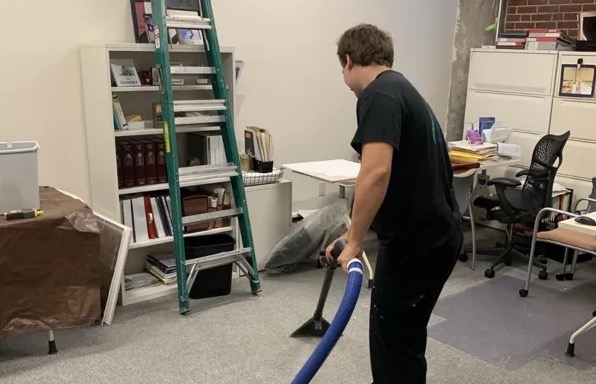
Water extraction pulls moisture from saturated materials like carpets and padding. This deep process prevents warping and mold growth.
Structural Drying
Drying equipment is placed for good airflow, and readings are taken until the building is dry in Grand Prairie.
Water Damage Repair
After drying, repair work addresses cosmetic and functional damage. This may mean replacing warped cabinets, swollen doors, or damaged subflooring.
Flood Cleanup
When water comes in from outside, soaked materials are removed and the area is cleaned and dried in Grand Prairie.
Mold Prevention After Water Damage
If mold is found during water cleanup, the affected area is contained and noted so it can be handled separately.
Indicators of Water Damage in 75052 Homes
Musty Odors in Rooms
A persistent musty smell often means hidden moisture and mold growing behind walls or under floors.
High Indoor Humidity Levels
A consistently sticky, humid feeling indoors can indicate poor drying. Professionals use tools to measure and correct moisture levels.
Wet or Damp Attic Insulation
Damp insulation in the attic loses effectiveness and can rot wood. Attic drying and removal may be necessary for proper repair.
Wet Spots on Carpets
Carpet or pad that stays damp means water has soaked deep into the floor, where it can rot the subfloor.
How Water Damage Restoration Works in 75052
Step 1: Assessment and Moisture Mapping
Pros use sensors and cameras to map the full extent of moisture in materials.
Step 2: Flood Water Removal
Heavy-duty pumps and extractors eliminate all pooling water from the affected area. Fast flood cleanup prevents secondary damage and mold growth.
Step 3: Targeted Drying Procedures
Specialized drying equipment is aimed at hard-to-reach areas like subfloors and the insides of walls.
Step 4: Mold Prevention and Restoration
Areas are treated to inhibit mold, followed by necessary reconstruction. The final step returns your space to a safe, pre-damage condition.
Typical Water Damage Triggers in 75052
Sewer Line Backups or Overflows
Blocked main sewer lines or septic failures can push sewage up into the home through drains.
Fire Suppression System Activation
Fire sprinklers that discharge during a fire or by accident put a lot of water into a building.
Roof Leaks From Storm Damage
Wind-driven rain, hail or fallen debris can break through roofing and let water into the home.
Bathroom Fixture Failures
Failed toilet seals, overflowing tubs and leaking shower pans soak carpet and subfloors over time.
Home and Business Water Damage Restoration in 75052
Residential Water Damage Restoration
Attic water damage from roof leaks can ruin insulation and decking, affecting energy bills. The pros perform attic drying and may remove wet insulation.
Commercial Water Damage Restoration
Warehouses and plants need heavy-duty water removal over large areas after drainage failures or sprinkler discharges, to protect machinery and storage.
Hiring Water Removal Pros vs. DIY Water Damage Cleanup
A wet/dry vacuum can dry small wet carpet areas if used correctly. Opening windows and running fans helps air circulation. Soaked padding or a musty odor means professional wet carpet drying is necessary to stop mold growth.
Understanding Water Damage Restoration Costs in 75052
The total cost for water damage restoration in Grand Prairie is shaped by the affected square footage. Extensive flooding across multiple rooms requires more labor and equipment, elevating the final price.
Area Accessibility
Difficult-to-access areas like crawl spaces or attics may require specialized equipment, increasing the time and cost for the experts to complete the work.
Secondary Damage Remediation
Extra work like mold removal or storm repairs adds its own scope and cost.
Affected Materials
Restoration costs vary if water damages drywall, hardwood floors, or custom cabinetry, as each material has different repair or replacement requirements.
Does Insurance Cover Water Damage Restoration?
Insurance coverage for water damage restoration depends on a policy's cause-of-loss terms. Sudden events like a burst pipe are often covered. Gradual leaks may not be.
Advantages of Hiring Water Removal Pros in 75052
Contamination Safety Protocols
For sewage or dirty flood water, the pros wear protective gear and treat surfaces to reduce health risks.
Detailed Damage Documentation
Pros systematically photograph the damage and record moisture readings, creating a clear visual and data record that can be useful for insurance purposes.
Advanced Moisture Detection
Thermal cameras and moisture meters let the pros find hidden water in walls and subfloors so drying is complete.
Emergency Water Damage Restoration Response for 75052
Extensive water damage demands an immediate professional response. Waiting can lead to costly secondary damage like mold growth. Secure emergency water removal and drying services immediately by contacting the pros at (972) 736-7408.
Call Now (972) 736-7408Water Damage Restoration Service Area Including 75052, TX
Water damage restoration is available in Grand Prairie and nearby areas like Irving, Euless and Duncanville, from indoor leaks to storm flooding.
Answers to Top Water Damage Restoration Questions
Why can mold become a problem after water damage?
Mold can grow in damp materials within 24 to 48 hours. If moisture remains after drying, mold removal may be needed.
What happens during the flood cleanup process?
Flood cleanup starts with pumping out standing water. Then, mud and debris are removed. The area is cleaned and disinfected.
What is involved in the water damage restoration process?
The process begins with an assessment and emergency water extraction. Then, structural drying services using industrial equipment remove moisture.
How is commercial water damage different from residential?
Commercial jobs are larger, involve building systems and need planning around business hours, so drying is done in sections to limit downtime.
What is Category 3 water during sewage cleanup?
Category 3 water is grossly contaminated, containing pathogens, as from sewage backups, flooding from rivers, or standing water that has become stagnant.