University Park, TX · Dallas County
Water Damage Repair in University Park, TXEmergency Water Extraction & Pipe Burst Cleanup Service
Effective Water Damage Repair in University Park includes pipe burst cleanup service, mold remediation after water, and emergency water removal.
Answered 24/7
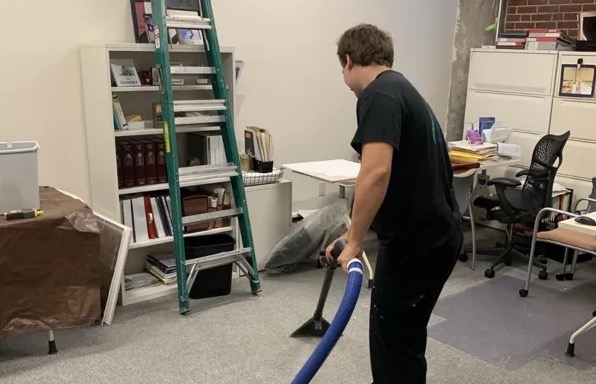
Water Damage Repair Experts Serving University Park, Texas
Water that gets into a building soaks materials and can affect indoor air. Prompt drying limits rot, odor and mold.
In University Park and nearby Highland Park, Richardson and Addison, plumbing failures and storms can cause water damage. Local water damage pros extract water, remove wet drywall and dry the property.
Water Damage Repair Services in University Park
Emergency Water Extraction
Immediate extraction after a pipe burst protects property. The experts pump out bulk water, laying the foundation for all subsequent drying in a University Park home.
Pipe Burst Cleanup Service
A burst pipe sends water into walls and floors. The experts trace its path, extract from each location, and set up targeted drying.
Mold Remediation After Water
After major water damage, mold remediation is often the final step. Drying alone does not kill mold; direct intervention is required.
Ceiling Leak Water Cleanup
Ceiling leaks weaken integrity. The specialists dry wet materials and attic spaces to stabilize the area and prevent mold in insulation.
Wet Drywall Removal
Drywall absorbs water quickly. The experts perform precise removal of compromised panels, cutting along stud lines to preserve undamaged wall.
When to Call for Water Damage Repair in University Park
Swollen Wood or Cabinets
Doors, window frames, or cabinets that stick or swell are water damaged.
Musty or Moldy Odors
A persistent damp, earthy smell often signals hidden moisture and potential mold.
High Humidity in Rooms
A clammy feel in the air or condensation on windows can mean wet materials nearby are releasing moisture.
Mold Growth on Surfaces
Visible black, green, or white fuzzy spots indicate mold from water damage.
How Water Damage Repair Works in University Park
Step 1: Emergency Water Extraction
The pros begin by removing standing water with industrial pumps and vacuums to stop spreading.
Step 2: Moisture Mapping and Detection
Using moisture meters and thermal imaging, experts map all affected areas, including hidden moisture behind walls and under floors.
Step 3: Structural Drying and Dehumidification
High-speed air movers and commercial dehumidifiers are placed to dry the structure thoroughly, a core part of water damage restoration.
Step 4: Final Verification and Documentation
Pros verify dryness with meters, document the process with photos and readings, and provide a report for your insurance review.
Frequent Sources of Water Issues in University Park
Bathroom Fixture Leaks
Leaking toilets, showers, or sinks often cause slow, hidden water damage behind tiles and walls.
Roof Leaks and Storm Damage
Missing shingles or storm damage let water into attics and down through ceilings.
HVAC System Condensation Issues
Faulty condensate drains or leaking air handlers can drip water inside walls and ceilings.
Sewage Backup or Drain Clogs
A main line blockage can push contaminated water back up through floor drains.
Residential and Commercial Water Damage Repair in University Park
Residential Water Damage Repair
At home, water from a burst pipe or appliance leak spreads fast. The experts remove it from floors and carpet and dry the rooms.
Commercial Water Damage Repair
Office buildings, retail spaces, and warehouses need pipe burst cleanup service. The specialists document all damage thoroughly to support your business insurance claim process.
Why DIY Water Damage Repair Often Fails
After a small, contained spill, you can wipe surfaces dry. For carpet that is wet, squishy, or covers a large area, avoid DIY carpet water extraction. Improper drying can ruin the carpet and pad, promoting mold growth.
Estimating Water Damage Repair Costs for University Park
Pricing for water extraction services is shaped by the water category. Clean water from a supply line is simpler to address than grey water or contaminated flood water demanding stricter safety protocols.
Mold Remediation Needs
If mold has started, the work grows to include containment, air filtration and extra cleaning, which adds cost.
Water Contamination Level
Clean water from a pipe burst is less costly to manage. Grey or black water requires advanced safety measures and may mandate more extensive removal.
Required Drying Time
How long dehumidifiers and air movers must run affects the bill. Soaked framing takes longer to dry.
Does Insurance Cover Water Damage Repair?
Whether insurance covers services like emergency water extraction hinges on your policy language and the damage origin. Accidental discharge from a plumbing system is a common covered scenario. Documentation from the pros, including moisture maps and drying logs, supports your claim.
Reasons to Hire Local Experts for Water Damage Repair
Detailed Damage Documentation
Photos, moisture readings, and drying logs are compiled. This documentation is provided for your records and potential insurance claim process.
IICRC-Standard Drying Methods
Procedures follow industry standards for thorough moisture removal. This systematic approach aims to dry structures correctly to help prevent secondary damage.
Focus on Preventing Mold Growth
Rapid drying and humidity control are priorities after water damage. This approach helps create conditions less conducive to mold development.
Urgent Water Damage Repair Response in University Park
For a burst pipe or major leak in University Park, call (972) 736-7408 24/7. Stopping the water and starting extraction quickly limits the damage.
Call Now (972) 736-7408Water Damage Repair Throughout the University Park Region
Other places served are listed below, each with its own page.
Water Damage Repair FAQs
What is involved in water damage repair?
The process typically starts with emergency water extraction, followed by thorough drying with industrial equipment. Damaged materials like wet drywall or flooring may be removed, and the area is cleaned and sanitized.
Can water damaged floor repair save my flooring?
It depends on the flooring type, water category, and saturation time. Non-porous materials like tile may be saved, while porous wood or laminate often requires removal and replacement after prolonged wetness.
Why is leak detection part of water damage restoration?
Finding and stopping the ongoing water source is critical to prevent continued damage. Specialists may use inspection tools to locate hidden leaks in plumbing or behind walls before drying begins.
What equipment is used for emergency water removal?
Industrial submersible pumps, truck-mounted or portable extractors, and wet/dry vacuums are used for water removal. These are followed by air movers and dehumidifiers for the structural drying phase.
How is drying monitored after water extraction?
Moisture meters and hygrometers are used to track moisture levels in materials and the air. Drying logs record progress until pre-determined dryness goals are met for all affected building materials.