Grand Prairie, TX · Dallas County
Water Damage Repair in Grand Prairie, TXCarpet Water Extraction & Pipe Burst Cleanup Service
Professional Water Damage Repair in Grand Prairie addresses emergency water extraction, wet drywall removal, and carpet water extraction.
Answered 24/7
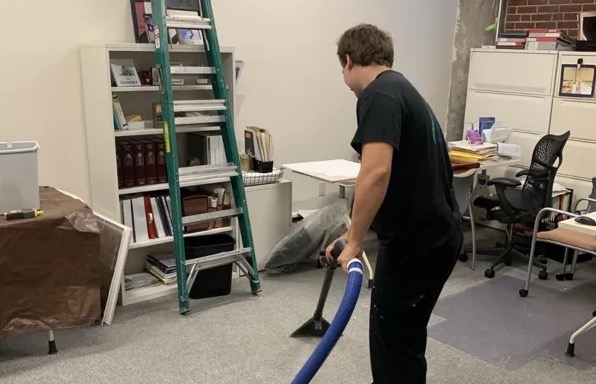
Local Water Damage Repair Services for Grand Prairie
When water infiltrates a home in Grand Prairie, it often seeps into subfloors and wall cavities, creating hidden hazards that evade casual inspection.
In Grand Prairie and nearby Irving, Euless and Duncanville, water damage pros respond to burst pipes, extract the water, check for secondary damage like mold and document everything.
Water Damage Repair Scope of Work in Grand Prairie
Carpet Water Extraction
Extractors pull water out of carpet fibers and the pad underneath, which protects the subfloor in Grand Prairie homes.
Pipe Burst Cleanup Service
Pipe failures create high-pressure discharge. Moisture removal specialists provide cleanup from the source to all impacted zones, preventing wood rot or mold.
Water Damaged Floor Repair
Flooring materials react differently to water. The specialists handle drying salvageable hardwood or removing soaked carpet to restore a safe surface.
Ceiling Leak Water Cleanup
A leak saturates ceiling drywall. The experts contain the drip, remove water, and set up air movers to draw out moisture from below.
Mold Remediation After Water
After major water damage, mold remediation is often the final step. Drying alone does not kill mold; direct intervention is required.
When to Call for Water Damage Repair in Grand Prairie
Mold Growth on Surfaces
Visible black, green, or white fuzzy spots indicate mold from water damage.
Damp or Wet Carpeting
Squishy, saturated carpets or padding are a clear sign of water damage.
Leaking Sounds or Drips
Hearing dripping or running water behind walls signals a hidden leak that could cause structural water damage.
Musty or Moldy Odors
A persistent damp, earthy smell often signals hidden moisture and potential mold.
How Water Damage Repair Works in Grand Prairie
Step 1: Emergency Water Extraction
The pros begin by removing standing water with industrial pumps and vacuums to stop spreading.
Step 2: Moisture Mapping and Detection
Using moisture meters and thermal imaging, experts map all affected areas, including hidden moisture behind walls and under floors.
Step 3: Structural Drying and Dehumidification
High-speed air movers and commercial dehumidifiers are placed to dry the structure thoroughly, a core part of water damage restoration.
Step 4: Final Verification and Documentation
Pros verify dryness with meters, document the process with photos and readings, and provide a report for your insurance review.
Common Causes of Water Damage in Grand Prairie
Roof Leaks and Storm Damage
Missing shingles or storm damage let water into attics and down through ceilings.
HVAC System Condensation Issues
Faulty condensate drains or leaking air handlers can drip water inside walls and ceilings.
Appliance Malfunctions and Leaks
Water heaters, washing machines and dishwashers can fail and flood the floor around them.
Sewage Backup or Drain Clogs
A main line blockage can push contaminated water back up through floor drains.
Residential and Commercial Water Damage Repair in Grand Prairie
Residential Water Damage Repair
At home, leaks and floods ruin floors, walls and belongings. The pros extract water and remove wet drywall to industry standards to protect the structure and air.
Commercial Water Damage Repair
For businesses, water damage can stop operations and ruin stock. The pros respond day or night to restore the space and control moisture so you can reopen.
Professional Water Damage Repair Compared to DIY
You may place a bucket under a known, slow drip to contain water temporarily. For any leak causing pooling or spreading, especially from a ceiling, prioritize calling for emergency water removal.
Estimating Water Damage Repair Costs for Grand Prairie
Pricing for water extraction services is shaped by the water category. Clean water from a supply line is simpler to address than grey water or contaminated flood water demanding stricter safety protocols.
Water Contamination Level
Clean water from a pipe burst is less costly to manage. Grey or black water requires advanced safety measures and may mandate more extensive removal.
Structural Repairs Required
After drying, some reconstruction like floor repair or drywall replacement may be needed. This rebuild phase is separate from the initial water extraction and drying.
Affected Materials
Porous materials like drywall, carpet, and insulation often require removal, adding demolition and disposal costs.
Does Insurance Cover Water Damage Repair?
Mold remediation after water damage may be covered if the water loss itself was a covered event and mold resulted from it. Policies vary greatly on mold coverage limits. The pros document the sequential link between the water intrusion and any subsequent mold growth for your insurer.
Why Choose Local Pros for Water Damage Repair in Grand Prairie
Comprehensive Moisture Detection
Specialized tools like moisture meters and thermal cameras help find hidden wetness. This helps ensure all affected areas are addressed during drying.
Advanced Water Extraction Equipment
Industrial pumps and extractors remove large volumes of water from flooded areas quickly.
Detailed Damage Documentation
Photos, moisture readings, and drying logs are compiled. This documentation is provided for your records and potential insurance claim process.
Urgent Water Damage Repair Response in Grand Prairie
If you discover significant water damage, do not wait. Call (972) 736-7408 to schedule emergency water damage cleanup. A timely start to the restoration process helps manage the overall recovery time and cost for your property.
Call Now (972) 736-7408Water Damage Repair Throughout the Grand Prairie Region
Water Damage Repair in Grand Prairie addresses water intrusions from leaks, floods, or appliance failures. The specialists serve properties in Grand Prairie, along with nearby areas like Irving, Euless and Duncanville, providing water extraction and drying services.
- Water Damage Repair in Irving
- Water Damage Repair in Euless
- Water Damage Repair in Duncanville
- Water Damage Repair in Bedford
- Water Damage Repair in Hurst
- Water Damage Repair in Mansfield
- Water Damage Repair in DeSoto
- Water Damage Repair in Midlothian
- Emergency Damage Restoration in 75050
- Storm Damage Restoration in 75050
- Water Damage Restoration in 75050
- Water Extraction Service in 75050
- Water Leak Detection in 75050
- Water Removal Service in 75050
- Emergency Damage Restoration in 75051
- Storm Damage Restoration in 75051
Water Damage Repair FAQs
What is involved in water damage repair?
The process typically starts with emergency water extraction, followed by thorough drying with industrial equipment. Damaged materials like wet drywall or flooring may be removed, and the area is cleaned and sanitized.
How is drying monitored after water extraction?
Moisture meters and hygrometers are used to track moisture levels in materials and the air. Drying logs record progress until pre-determined dryness goals are met for all affected building materials.
Are contents affected by water damage cleaned?
Restorable contents like furniture may be cleaned and dried off-site as part of some services. However, the primary focus is often on the structural drying of the building itself to stabilize the environment.
Can carpet water extraction prevent replacement?
Sometimes, if the water is clean and extraction starts early. Delays or contaminated water usually mean the carpet and pad must be replaced.
What causes ceiling leaks that need water cleanup?
Common sources are roof leaks, plumbing leaks from upstairs bathrooms, or condensation from HVAC systems. Identifying and stopping the water source is the first step before ceiling repair can begin.