Grand Prairie, TX · Dallas County
Water Damage Assessment in Grand Prairie, TXDrying Equipment Plan Development & Restoration Scope
Water Damage Assessment in Grand Prairie involves water leak source detection, moisture mapping, and structural damage inspection.
Answered 24/7
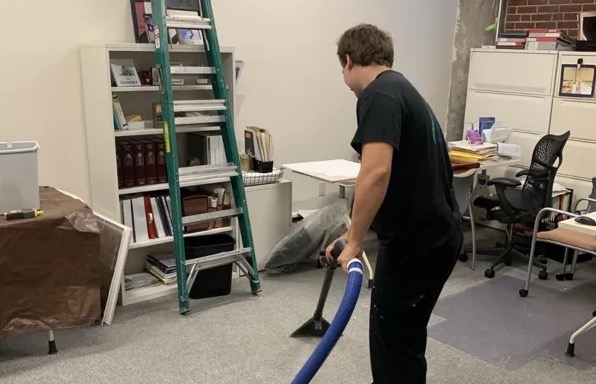
Professional Water Damage Assessment in Grand Prairie, TX
In Grand Prairie, water damage assessment helps prioritize actions to mitigate further harm and restore property functionality quickly. Local water damage pros focus on accurate detection and classification to streamline the entire recovery process effectively.
In Grand Prairie and nearby Irving, Euless and Duncanville, local water damage pros find leaks, map moisture, inspect the structure and evaluate contents to plan the restoration work.
Water Damage Assessment Methods Used in Grand Prairie
Drying Equipment Plan Development
Every scenario requires a unique drying approach. The pros develop a placement plan for equipment to create optimal airflow and humidity control.
Restoration Scope
The assessment report lays out what happens next, from removing water to final repairs.
Structural Damage Inspection
Long-term moisture deteriorates wood and metal fasteners. The pros examine joists and studs for hidden rot or corrosion during the assessment.
Mold Growth Risk Assessment
Mold can begin growing within 24-48 hours. A key part of Water Damage Assessment is evaluating this risk. The pros look for visible mold and assess conditions.
Water Leak Source Detection
Water travels far from its entry point. The pros map the moisture path through materials to locate hidden saturation in ceilings and walls.
Symptoms Calling for Water Damage Assessment in Grand Prairie
Unexplained Increases in Water Bills
A sudden spike in your water bill with no change in usage is a strong indicator of a hidden leak.
High Indoor Humidity Levels
Constantly foggy windows and a clammy feel in the air suggest elevated moisture that could lead to structural issues.
Warped or Buckling Flooring
Hardwood floors that cup or laminate that buckles point to moisture underneath and possible structural damage.
Stained or Sagging Insulation
Discolored, damp, or drooping insulation in an attic or crawlspace is a red flag for ongoing water infiltration.
How Water Damage Assessment Works in Grand Prairie
Step 1: First Call and Situation Evaluation
For urgent cases, the pros check for immediate hazards first and see how far moisture has spread.
Step 2: Detailed Moisture Mapping and Documentation
Pros build a precise moisture map that supports your claim and guides all drying.
Step 3: Structural and Material Damage Inspection
Drywall, framing and flooring are checked to see what can be dried and what must be replaced.
Step 4: Final Report and Restoration Scope Delivery
You receive the final report with inspection data, photos and the restoration scope.
Frequent Sources of Property Water Damage in Grand Prairie
Human Error and Accidental Overflows
Overflowing bathtubs, sinks, or toilets are common household incidents that can quickly cause significant water damage if not addressed.
HVAC System Condensation Issues
Clogged drain lines or malfunctioning condensate pumps in air conditioners can cause water to back up and damage ceilings and walls.
Appliance Malfunctions and Failures
Water heaters, washing machines, dishwashers, and refrigerators can leak due to worn hoses, faulty valves, or internal tank failures.
Faulty or Aging Building Envelopes
Deteriorated window seals, siding gaps, or degraded caulking allow wind-driven rain to infiltrate the structure over time.
Local Water Damage Assessment for All Grand Prairie Property Types
Residential Water Damage Assessment
In homes, the pros perform a detailed content and belongings evaluation, identifying salvageable items versus those too damaged. They assess risks like mold in wall cavities and provide a clear restoration scope and estimate outline for homeowners.
Commercial Water Damage Assessment
A commercial assessment by the specialists includes checking for compliance and safety issues, like electrical system exposure or slip hazards.
Professional Water Damage Assessment or DIY Assessment in Grand Prairie
You can move small, portable belongings out of standing water and place aluminum foil under furniture legs to prevent carpet staining. Do not attempt to operate electronics or appliances in wet areas. For a proper content and belongings evaluation and to assess electrical hazards, contact the specialists.
Factors Influencing Water Damage Assessment Cost in Grand Prairie
In Grand Prairie, cost depends on the time spent evaluating contents and mold risk, and how hard the leak is to reach.
Property Size and Layout
Larger homes or complex commercial spaces in Grand Prairie require more time for thorough moisture mapping and documentation, affecting the assessment duration.
Water Category and Class
Determining if water is clean, gray, or black, along with its evaporation rate, adds complexity to the evaluation.
Emergency Service Timing
An inspection at night or on a weekend may cost more than one during business hours.
Does Insurance Cover Water Damage Assessment?
Insurance may cover water leak assessment if the cause is a sudden, accidental event listed in your policy. Specialists perform category and class determination and content evaluation to create a claim file.
Why Choose Local Pros for Water Damage Assessment in Grand Prairie
Mold Risk Identification
The assessment includes evaluating conditions for mold growth after water damage to inform necessary next steps.
Category and Class Analysis
Water is classified by category and evaporation class to determine the appropriate drying strategy and restoration response.
24/7 Emergency Response
Inspections are available at any hour, so the damage is recorded before it spreads.
24/7 Emergency Water Damage Assessment in Grand Prairie
Hidden water after a sudden leak? Call (972) 736-7408 at any hour for an inspection that records the damage before it spreads.
Call Now (972) 736-7408Local Water Damage Assessment for Grand Prairie and Nearby Communities
Homes in Grand Prairie can get a water damage evaluation that maps moisture and checks for conditions that lead to mold. The pros also serve Irving, Euless and Duncanville.
- Water Damage Assessment in Irving
- Water Damage Assessment in Euless
- Water Damage Assessment in Duncanville
- Water Damage Assessment in Bedford
- Water Damage Assessment in Hurst
- Water Damage Assessment in Mansfield
- Water Damage Assessment in DeSoto
- Water Damage Assessment in Midlothian
- Emergency Damage Restoration in 75050
- Storm Damage Restoration in 75050
- Water Damage Restoration in 75050
- Water Extraction Service in 75050
- Water Leak Detection in 75050
- Water Removal Service in 75050
- Emergency Damage Restoration in 75051
- Storm Damage Restoration in 75051
Frequently Asked Questions About Water Damage Assessment
How does a home water damage evaluation help with insurance?
The evaluation provides the documented evidence, photos, moisture data, and a detailed report, that you submit to your insurer to support your claim.
What should I do while I wait for a water damage inspection?
If safe, turn off the water source at the main valve and move valuable items away from standing water.
What is included in a water damage assessment?
Leak source detection, moisture mapping, structural inspection and water category determination, ending with a written restoration scope.
What is category and class determination for water?
It classifies water by contamination level (Category 1, 2, or 3) and by the amount and evaporation rate (Class 1-4) to guide the restoration response.
Is mold inspection after water damage always necessary?
While not always immediately visible, assessing mold risk is a prudent part of the process, as mold can begin growing within 24-48 hours in damp conditions.