Greenville, TX · Hunt County
Washing Machine Overflow Water Removal in Greenville, TXWashing Machine Overflow Cleanup & Laundry Room Mold Prevention
Washing Machine Overflow Water Removal in Greenville includes washing machine overflow cleanup, emergency water damage restoration and laundry room mold prevention.
Answered 24/7
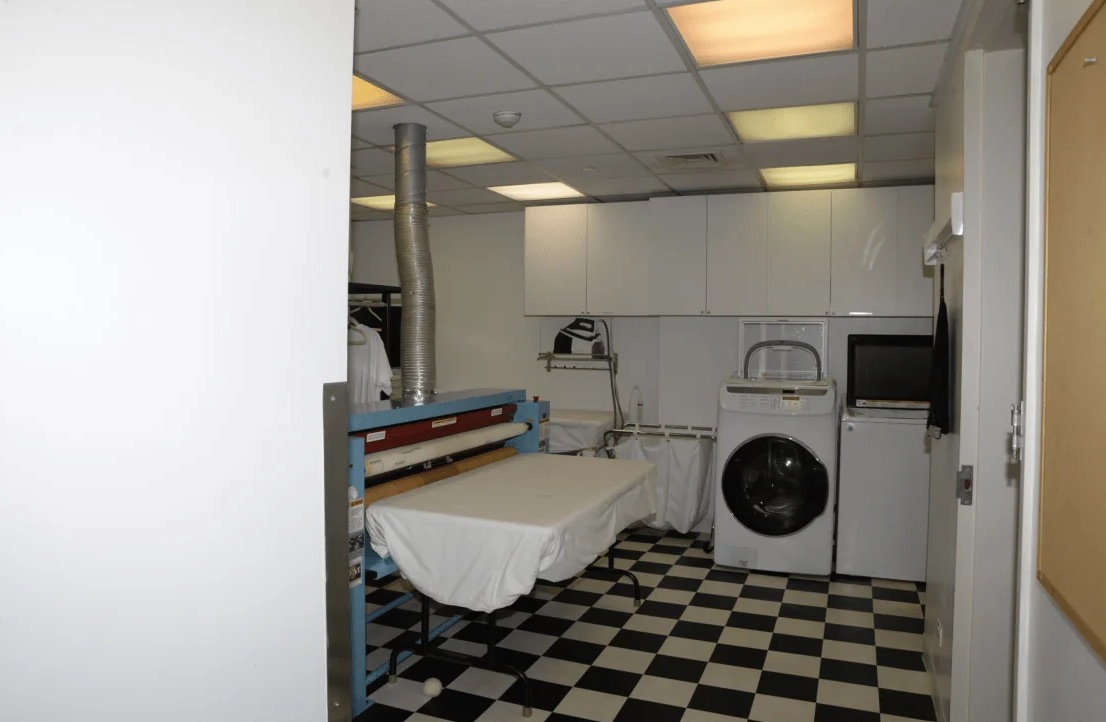
Professional Washing Machine Overflow Water Removal in Greenville, TX
In Greenville, drywall soaked by a washer overflow loses strength quickly and can grow mold on its paper facing, so it often has to be cut out.
In Greenville, a washer overflow can soak floors and walls. Local water extraction experts dry them with industrial dehumidifiers and air movers until they reach normal dry readings, also in Royse City, Fate and Princeton.
Washing Machine Overflow Water Removal Services in Greenville
Washing Machine Overflow Cleanup
The experts handle washing machine overflow cleanup. They use pumps and extractors to clear standing water.
Laundry Room Mold Prevention
After extraction, pros dry every affected material and check for hidden moisture with sensors so mold has nothing to grow on.
Appliance Flood Water Removal
The experts in Greenville respond to sudden, large-volume discharges from home machines with high-capacity extraction equipment.
Laundry Room Water Extraction
The experts in Greenville classify water from a washing machine failure and use appropriate extraction techniques.
Wet Drywall Removal
Wet drywall removal is necessary when readings show saturation. Experts cut above the water line for homes in Greenville.
Signs Your Home Needs Washing Machine Overflow Water Removal in Greenville
Washing Machine Error Codes
Many washers show error codes for leaks or drain problems. Those codes are worth checking before a small leak becomes a flood.
Discoloration on Baseboards
Water stains or dark streaks on laundry room walls and baseboards show water moving into the wall.
Water Pooling Around the Washer
Visible water on the floor near the washing machine is a primary indicator. Call the experts for water extraction to prevent floor damage.
Visible Mold Growth
Black or green spots on walls or behind the washer mean moisture has stayed too long.
How Washing Machine Overflow Water Removal Works in Greenville
Step 1: Source Stop and Containment
The first action is to stop the water source and contain the spill to the laundry area, preventing further spread into other rooms of your home.
Step 2: Appliance Flood Water Removal
Powerful extraction equipment removes the bulk water from the flood, focusing on the area around and underneath the washing machine.
Step 3: Structural Drying Process
Specialized drying equipment targets wet subfloors, drywall, and framing to prevent warping and mold, a core part of water damage restoration.
Step 4: Verification and Mold Prevention
Final moisture readings confirm dryness. Mold prevention services may include applying antimicrobial agents to treated surfaces to inhibit future mold.
Why Washing Machines Overflow in Greenville
Faulty Pressure Switch
A defective switch may not signal the machine to stop filling, leading to overfilling and water spilling out from the top of the drum.
Clogged Drain Line or Pump
A blocked drain hose or failed pump keeps water from leaving the machine, so it overflows.
Failed Door Seal or Gasket
A worn door seal on a front-load washer leaks water during every cycle.
Improper Washer Installation
An unlevel machine or incorrectly connected hoses can lead to leaks and vibrations that eventually cause a washing machine overflow.
Washing Machine Overflow Water Removal Services for All Properties in Greenville
Residential Washing Machine Overflow Water Removal
At home, washer water often spreads under flooring into other rooms. The pros map the moisture, contain the area and remove wet drywall if needed.
Commercial Washing Machine Overflow Water Removal
Commercial properties require a systematic approach to laundry room flood cleanup to meet health codes. Pros use industry-standard methods for extraction, antimicrobial treatments, and air scrubbing to restore air quality for employees and customers.
Professional Washing Machine Overflow Water Removal or DIY Cleanup in Greenville
Document the damage for your insurance provider by taking clear photographs of the overflow source, water lines, and affected belongings. Leave the detailed moisture inspection and official documentation to the experts, who use professional meters to create a report for your claim.
Estimating Washing Machine Overflow Water Removal Costs for Greenville Properties
Detergent and fabric softener in the water add cleaning steps, so a soapy overflow can cost more to clean up than a leak of clean supply water.
Extent of Water Spread
The square footage affected sets how much equipment is needed and how long drying takes.
Mold Prevention Treatments
Applying EPA-registered antimicrobial solutions to prevent mold after water extraction is an optional service that adds to the overall project investment.
Required Drying Time
The number of days industrial air movers and dehumidifiers must run to reach proper dryness influences the final cost for laundry room flood cleanup.
Does Insurance Cover Washing Machine Overflow Water Removal?
For washing machine leak repair incidents, insurance might address resulting water damage but typically excludes appliance mechanical repair. The experts in Greenville concentrate on damage mitigation and compiling documentation for the water loss claim component.
Why Choose Local Water Extraction Experts for Washing Machine Overflow Water Removal in Greenville
Advanced Moisture Detection
Using thermal imaging cameras and moisture meters finds hidden water behind walls or under flooring that isn't visible during a basic inspection.
Material-Specific Drying Protocols
Different techniques are used for drying wood subfloors, tile, drywall, and cabinetry to preserve materials where possible and prevent warping.
Clear Communication
You receive regular updates on the drying progress and moisture readings, so you understand each step of the water damage restoration process.
24/7 Washing Machine Overflow Water Removal for Emergencies in Greenville
Big washer overflow? Fast action prevents mold and structural damage. Call (972) 736-7408 now for the experts in Greenville, around the clock.
Call Now (972) 736-7408Regions Served for Washing Machine Overflow Water Removal from Greenville
The places below are also served, and each one has its own page.
- Washing Machine Overflow Water Removal in Royse City
- Washing Machine Overflow Water Removal in Fate
- Washing Machine Overflow Water Removal in Princeton
- Washing Machine Overflow Water Removal in Lucas
- Washing Machine Overflow Water Removal in Wylie
- Washing Machine Overflow Water Removal in Terrell
- Washing Machine Overflow Water Removal in Melissa
- Washing Machine Overflow Water Removal in McKinney
- Emergency Damage Restoration in 75401
- Storm Damage Restoration in 75401
- Water Damage Restoration in 75401
- Water Extraction Service in 75401
- Water Leak Detection in 75401
- Water Removal Service in 75401
- Emergency Damage Restoration in 75402
- Storm Damage Restoration in 75402
Common Washing Machine Overflow Water Removal Questions Answered
What is the first step in water damage restoration?
The first step is stopping the water source and extracting all standing water to prevent further spread, which is the focus of the initial emergency response call.
Is wet drywall removal always necessary after a flood?
Not always. Drywall that is wet but structurally sound may be dried in place, but saturated or contaminated drywall typically requires removal to prevent mold and odors.
What areas are affected by appliance flood water removal?
Water often spreads under flooring to adjoining rooms and into wall cavities, so the scope of water damage restoration may extend beyond the immediate laundry room area.
Why is moisture inspection important after water removal?
Meters find water you cannot see, so drying covers the whole area and the floor and walls do not stay wet.
How does laundry room mold prevention work?
After drying, surfaces that stayed wet are treated with an antimicrobial to keep mold from starting, which is a standard cleanup step.