Bridgeport, TX · Wise County
Warehouse Water Damage Restoration in Bridgeport, TXWarehouse Flood Water Extraction & Warehouse Inventory Water Damage
Warehouse Water Damage Restoration in Bridgeport requires warehouse equipment drying, warehouse floor water removal, and warehouse leak detection repair.
Answered 24/7
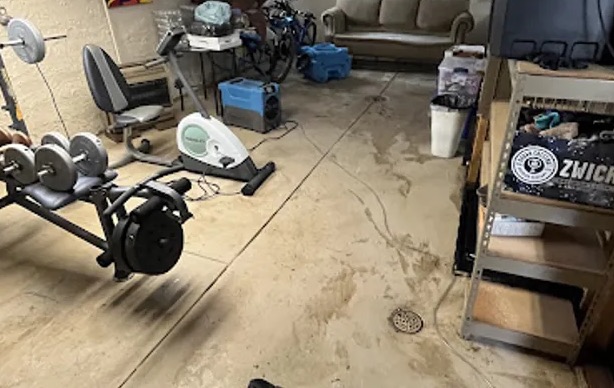
Warehouse Water Damage Restoration Solutions in Bridgeport, Texas
In Bridgeport, local pros use truck-mounted equipment to extract flood water and start drying the warehouse floor, protecting materials and stock.
Warehouse water damage restoration is a critical service for industrial and storage facilities in Bridgeport, where water intrusion can halt operations and damage valuable stock. Local warehouse water damage pros provide warehouse flood water extraction and structural drying to restore functionality, serving businesses here and in nearby areas like Decatur, Boyd and Springtown.
Detailed Warehouse Water Damage Restoration Offerings in Bridgeport
Warehouse Flood Water Extraction
For warehouse flooding, bulk water extraction comes first. Truck-mounted systems handle the significant water present on the industrial floor.
Warehouse Inventory Water Damage
Pros document damaged goods for the claim and separate items that can be dried, so you recover as much stock value as possible.
Warehouse Equipment Drying
Drying out water-affected warehouse equipment requires a methodical approach. Experts assess and dry electrical components and machinery to mitigate corrosion and short-circuit risks.
Warehouse Mold Remediation
Mold growth in a warehouse requires a structured remediation response. Professionals contain the area, discard unsalvageable moldy materials, and clean remaining surfaces.
Warehouse Structural Drying
Drying the warehouse structure requires managing humidity and air movement at scale. Heavy-duty equipment is positioned to dry concrete, steel, and building cavities thoroughly.
Warning Signs You Need Warehouse Water Damage Restoration
Peeling Paint or Rust
Paint blistering or accelerated rust on structural steel are clear signs of excess warehouse moisture.
Condensation on Equipment
Water beads on metal machinery or control panels show high humidity, risking corrosion and downtime.
Visible Mold Growth
Dark spots on walls, ceilings or goods point to a moisture problem and possible mold.
Musty Odors in the Space
A persistent earthy smell often means hidden moisture and potential mold in a warehouse.
How Warehouse Water Damage Restoration Works in Bridgeport
Step 1: Initial Damage Assessment
Local warehouse restoration experts assess the extent of warehouse flood damage, documenting all affected areas, inventory, and structural elements.
Step 2: Bulk Water and Moisture Removal
All visible water is extracted, followed by targeted warehouse moisture removal from concrete and building materials using penetrating drying systems.
Step 3: Content Restoration and Salvage
Warehouse inventory water damage is addressed; pallets and goods are triaged for salvage, cleaning, or specialized drying protocols.
Step 4: Monitoring to Completion
Equipment monitors dryness levels until the warehouse meets dry standards. Documentation is provided to support your insurance claim process.
Frequent Causes of Leaks Needing Warehouse Water Damage Restoration
Plumbing Supply Line Breaks
A burst pipe in restrooms, break rooms, or process water lines leads to significant water loss.
Process Equipment Leaks
Cooling lines, hydraulic systems, or wash-down stations can develop leaks, creating localized water damage.
Stormwater and Flood Intrusion
Heavy rain can overwhelm drains or seep under doors, leading to warehouse flood damage.
Roof Leaks and Penetrations
Damaged roofing, failed seals around vents or skylights, and storm damage allow water into warehouse spaces.
Commercial Warehouse Water Damage Restoration in Bridgeport
Residential Water Damage Restoration
When a large garage or storage building floods, pros with industrial equipment dry under shelving and behind stored items.
Warehouse Water Damage Restoration
For warehouses, quick action on water damage repair supports business continuity. The space is dried so operations can resume, aiming to contain inventory and operational losses from prolonged downtime.
The Risks of DIY Warehouse Water Damage Restoration in Bridgeport
Improving ventilation by opening doors and using fans can help with mild humidity. For serious warehouse moisture removal after a flood, this is insufficient and can spread contaminants; structured drying with air movers and dehumidifiers is needed.
What Affects Warehouse Water Damage Restoration Pricing
Commercial water extraction pricing in Bridgeport considers the number of affected warehouse zones, the type of flooring materials, and any post-extraction sanitation needs for the space.
Water Volume and Source
Clean water from a broken pipe costs less to extract than contaminated flood water requiring advanced sanitation procedures in the warehouse.
Required Drying Time
The number of days industrial-grade dehumidifiers and air movers must run to reach dry standard significantly influences the final expense.
Access and Complexity
Multi-level racking, confined machinery spaces, or high ceilings can complicate water removal and drying, increasing labor and equipment needs.
Does Insurance Cover Warehouse Water Damage Restoration?
Coverage for warehouse water damage depends on the policy's terms and the cause of the water loss. The pros record damage with photos and moisture readings, and your insurer makes all coverage decisions.
Why Choose Local Pros for Warehouse Water Damage Restoration
Inventory Damage Mitigation
Pros prioritize protecting salvageable goods through careful water removal, controlled drying environments, and coordination for off-site restoration if needed.
Leak Detection Repair
After extraction, warehouse leak repair experts can help identify and address the source of the water intrusion to prevent a recurrence.
Industrial-Grade Equipment
Warehouse flood cleanup requires truck-mounted extractors, industrial dehumidifiers, and high-volume air movers designed for large-scale commercial spaces.
Warehouse Water Damage Restoration Help Available 24/7
Major leaks or flooding demand early professional help to prevent structural issues and inventory loss. Dial (972) 736-7408 for emergency water removal, extraction, and drying from the experts around the clock.
Call Now (972) 736-7408Warehouse Water Damage Restoration Serving Bridgeport and Surroundings
Each place listed below has its own page with local details.
- Warehouse Water Damage Restoration in Decatur
- Warehouse Water Damage Restoration in Boyd
- Warehouse Water Damage Restoration in Springtown
- Warehouse Water Damage Restoration in New Fairview
- Warehouse Water Damage Restoration in Rhome
- Warehouse Water Damage Restoration in Azle
- Warehouse Water Damage Restoration in Weatherford
- Warehouse Water Damage Restoration in Justin
- Emergency Damage Restoration in 76426
- Storm Damage Restoration in 76426
- Water Damage Restoration in 76426
- Water Extraction Service in 76426
- Water Leak Detection in 76426
- Water Removal Service in 76426
Warehouse Water Damage Restoration in Bridgeport: Your Questions Answered
Is warehouse equipment drying different from structural drying?
Yes, it often requires specific techniques like controlled low-heat drying, corrosion inhibitors, and electrical testing to protect machinery after water exposure.
Does warehouse water damage always lead to mold?
Not always, but mold spores are everywhere; and thorough drying is the most effective way to help prevent them from germinating and growing.
Can business operations continue during warehouse drying services?
Safety often requires limiting access to affected zones, but local pros work to minimize disruption and may help set up temporary work areas.
What does warehouse structural drying involve?
This process uses industrial air movers and dehumidifiers to remove moisture from building materials like concrete, steel, and wall assemblies to dry standards.
What is the goal of warehouse moisture removal?
To return building materials to normal dry readings, measured with moisture meters, so they do not decay or grow mold.