Princeton, TX · Collin County
Tile Floor Water Damage Restoration in Princeton, TXTile Floor Mold Prevention & Tile Floor Water Extraction
Tile Floor Water Damage Restoration in Princeton starts with tile floor water extraction, wet tile floor cleanup, and tile floor water damage repair.
Answered 24/7
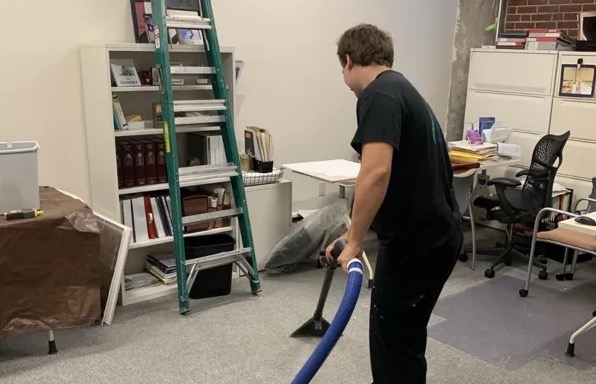
Local Tile Floor Water Damage Restoration Services for Princeton Homes
Tile floors in Princeton are durable, but water exposure can compromise grout and subflooring. Prompt tile floor water damage restoration prevents costly long-term repairs and maintains a home's integrity by addressing hidden moisture and potential mold growth.
Tile floor water damage restoration is a common need for properties in Princeton and nearby areas like McKinney, Fairview and Lucas. Water leaks or spills can quickly affect tile surfaces and the underlying structure.
Comprehensive Tile Floor Water Damage Restoration for Princeton
Tile Floor Mold Prevention
Pros sanitize the tile and grout and dry the area fully, so a leak today does not turn into a mold problem later.
Tile Floor Water Extraction
Extraction clears visible water from the floor. This initial step prepares the tile area for the drying phase.
Tile Floor Drying Services
Moisture meters track the drying progress beneath the tile surface. Monitoring continues until the floor assembly reaches appropriate dryness levels.
Water Under Tile Flooring Removal
When water migrates under the tile surface, standard extraction isn't enough. Experts assess the situation and use methods like vacuum mat systems to draw moisture up through the grout lines.
Flooded Tile Floor Restoration
Restoring a flooded tile floor involves addressing both surface and subsurface damage. Specialists work methodically to mitigate loss, dry all materials, and execute necessary repairs.
Indicators for Tile Floor Water Damage Restoration in Princeton
Grout Crumbling Away
Grout that cracks, crumbles or falls out between tiles often means water is getting underneath.
Efflorescence on Tile Surface
A white, powdery residue on tiles is efflorescence, a mineral deposit left by evaporating water. It signals previous moisture issues that need addressing.
Baseboards Swelling Nearby
Swollen or discolored baseboards adjacent to a tile floor often trace water migration from underneath. This is a secondary indicator of a serious moisture problem.
Visible Water Pooling
Water that keeps reappearing on a tile floor after you wipe it up points to water trapped below.
How Tile Floor Water Damage Restoration Works in Princeton
Step 1: Initial Damage Assessment
The Tile Floor Water Damage Restoration process starts with a detailed assessment to determine the source, extent, and category of water affecting the tile floor and subfloor.
Step 2: Water Removal and Cleanup
All standing water is extracted, followed by wet tile floor cleanup of debris and contaminants.
Step 3: Structural Drying Phase
Specialized drying equipment creates airflow and controls humidity to methodically remove moisture from the tile installation system and prevent warping.
Step 4: Verification and Final Repair
Final moisture readings verify dryness. Any compromised tiles are then addressed with matching replacements, completing the flooded tile floor restoration.
Common Causes of Water Damage to Tile Floors in Princeton
Pet Water Bowl Spills
Repeated spills from a pet's water bowl, especially on unsealed tile or grout, can allow water to penetrate and cause localized tile floor water damage.
Natural Flooding Events
Heavy rain or flash floods can push water into a home and across tiled floors.
Improper Initial Tile Installation
Tile installed without a proper moisture barrier or waterproof underlayment is vulnerable to water intrusion from above, leading to premature failure.
Window or Door Seal Failure
Failed seals around windows or exterior doors let rain in to pool on interior tile floors.
Both Residential & Commercial Tile Floor Water Damage Restoration in Princeton
Residential Tile Floor Water Damage Restoration
Homeowners face tile floor water damage from appliance leaks, toilet overflows, and plumbing failures. The restoration process involves careful tile floor moisture inspection to map the damage, followed by targeted drying to save the installation.
Commercial Tile Floor Water Damage Restoration
Restaurants, gyms and clinics need tile floors dried quickly. Local floor drying specialists use commercial equipment to pull moisture from under the tile so the space can reopen.
Calling Floor Drying Specialists vs. DIY Tile Floor Water Damage Repair
You can mop or wet-vac standing water off the tile. After a toilet overflow, appliance leak or flood, call the specialists to remove water from under the tile.
Cost Considerations for Tile Floor Water Damage Restoration in Princeton
The cost of tile floor water damage restoration in Princeton is influenced by the extent of water intrusion and the area of tile affected.
Extent of Damage
The square footage of water damaged tile floors and depth of saturation directly influence the restoration scope and cost.
Water Source Category
Clean water from a supply line is simpler to address than contaminated flood water, affecting the tile floor cleanup process.
Subfloor Condition
Removing water under tile flooring and assessing the subfloor for damage can add steps to the repair process.
Does Insurance Cover Tile Floor Water Damage Restoration?
Tile floor mold prevention costs may be covered if the mold results from a water loss event included in your policy. Pros provide documentation linking the moisture issue to the initial damage.
Reasons to Hire Local Specialists for Tile Floor Water Damage Restoration in Princeton
Detailed Damage Documentation
Pros document the tile floor water damage inspection with readings and photos for your personal records.
Clear Process Communication
You receive straightforward explanations of each step, from initial assessment through the final moisture verification.
Focused Drying Strategy
A targeted approach for tile floor drying services addresses both the surface and the subfloor to prevent warping.
24/7 Emergency Tile Floor Water Damage Restoration for Princeton
Discovering water under tile flooring is an urgent matter. Call (972) 736-7408 for assistance. The pros can respond day or night to inspect and extract.
Call Now (972) 736-7408Tile Floor Water Damage Restoration Throughout Collin County
Tile floor moisture inspection and mold prevention are available in Princeton and nearby locations like McKinney, Fairview and Lucas.
- Tile Floor Water Damage Restoration in McKinney
- Tile Floor Water Damage Restoration in Fairview
- Tile Floor Water Damage Restoration in Lucas
- Tile Floor Water Damage Restoration in Melissa
- Tile Floor Water Damage Restoration in Allen
- Tile Floor Water Damage Restoration in Wylie
- Tile Floor Water Damage Restoration in Murphy
- Tile Floor Water Damage Restoration in Anna
- Emergency Damage Restoration in 75407
- Storm Damage Restoration in 75407
- Water Damage Restoration in 75407
- Water Extraction Service in 75407
- Water Leak Detection in 75407
- Water Removal Service in 75407
Your Tile Floor Water Damage Restoration Questions Addressed
How is water under tile flooring removed?
To remove water under tile flooring, strategic access points may be created or specialized systems used to direct airflow and dehumidification beneath the tile surface for effective drying.
What is tile floor mold prevention after water damage?
It involves rapid drying to remove the moisture mold needs, along with applying EPA-registered antimicrobials to affected areas during restoration.
How do pros find water under tile flooring?
Non-penetrating moisture meters detect elevated moisture levels without damaging the tile, while thermal imaging cameras can reveal temperature differences that often indicate trapped water below.
What is tile floor water damage restoration?
It is the professional process of extracting water, thoroughly drying the tile and subfloor, and repairing damage to restore your floor after a water incident.
How long does the tile floor water damage process take?
Drying typically takes 2-5 days, but the full timeline depends on the extent of damage, materials, and environmental conditions in the home.