Lancaster, TX · Dallas County
Tile Floor Water Damage Restoration in Lancaster, TXTile Floor Drying Services & Tile Floor Water Extraction
Tile Floor Water Damage Restoration in Lancaster covers tile floor water extraction, tile floor water damage repair and tile floor mold prevention.
Answered 24/7
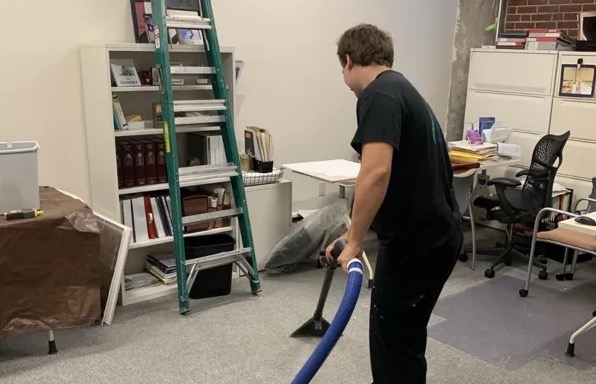
Get Help with Tile Floor Water Damage Restoration in Lancaster
Tile floors in Lancaster are vulnerable to water intrusion, which can hide moisture that promotes mold growth and warping. Addressing tile floor water damage quickly protects a resident's health and the property's structural integrity, making quick action critical.
Tile floor water damage restoration is a common need for properties in Lancaster and nearby areas like DeSoto, Red Oak and Glenn Heights. Water leaks or spills can quickly affect tile surfaces and the underlying structure.
Tile Floor Water Damage Restoration Services in Lancaster
Tile Floor Drying Services
Moisture meters track the drying progress beneath the tile surface. Monitoring continues until the floor assembly reaches appropriate dryness levels.
Tile Floor Water Extraction
Efficient water extraction stops damage at its source. Specialists use industry-grade equipment to suction water from ceramic, porcelain, or stone tile surfaces.
Tile Floor Mold Prevention
Preventing mold growth requires thorough drying of the entire tile assembly. Appropriate treatments are then applied to tile and grout surfaces.
Water Under Tile Flooring Removal
When water migrates under the tile surface, standard extraction isn't enough. Experts assess the situation and use methods like vacuum mat systems to draw moisture up through the grout lines.
Flooded Tile Floor Restoration
From the initial emergency call to the final walkthrough, flooded tile floor restoration is a complete solution.
Common Signs Requiring Tile Floor Water Damage Restoration
Baseboards Swelling Nearby
Swollen or discolored baseboards adjacent to a tile floor often trace water migration from underneath. This is a secondary indicator of a serious moisture problem.
Cold or Damp Feeling Tiles
Tiles that feel cold or damp in one area usually have moisture trapped underneath.
Mold Spots on Grout Lines
Black, green or gray specks along grout lines are mold, which means moisture is staying in the floor.
Increased Humidity in the Room
A noticeable spike in room humidity, often near a tiled area, suggests evaporating moisture from a hidden leak. This warrants a professional tile floor water damage inspection.
How Tile Floor Water Damage Restoration Works in Lancaster
Step 1: Source Stop and Safety Check
The water source is stopped and the area is made safe before work begins.
Step 2: Surface Water Removal
Water on the tile surface is removed with extraction wands and wet vacuums.
Step 3: Subsurface Drying Deployment
Drying equipment is deployed to address moisture in the substrate beneath the tiles, a core component of professional tile floor drying services.
Step 4: Completion Verification
The job is complete when verification moisture readings confirm all materials meet dry standard, helping ensure no residual moisture remains to cause future issues.
What Leads to Tile Floor Water Damage Restoration Needs
Appliance Leaks and Malfunctions
Dishwashers, washing machines, water heaters, and refrigerators with ice makers can leak slowly, saturating the subfloor beneath adjacent tile flooring over time.
HVAC Condensation Issues
A malfunctioning air conditioner or uninsulated condensation drain line can drip constant moisture onto a tile floor, creating a hidden, chronic dampness issue.
Overflowing Sinks or Tubs
An overflowing bathroom sink, shower, or bathtub can send large volumes of water across a tile floor, seeping into grout and underneath the tiles.
Toilet Overflows and Seal Failures
A clogged toilet or a failed wax ring seal lets water spill onto the bathroom floor and seep under the tile.
Tile Floor Water Damage Restoration for Homes and Businesses in Lancaster
Residential Tile Floor Water Damage Restoration
For flooded tile floor restoration in a home, pros systematically extract water, dry the subfloor, and inspect for hidden moisture.
Commercial Tile Floor Water Damage Restoration
Offices and stores with tile floors get water removed from under the tile after plumbing or roof leaks. Commercial tile floor water damage pros can work after hours to limit disruption.
Tile Floor Water Damage Restoration vs. DIY: When to Call Local Pros
Clean the tile with a mild detergent and avoid harsh chemicals that can damage grout. If you notice a musty odor or mold on grout, stop and call pros.
What Influences Tile Floor Water Damage Restoration Pricing in Lancaster
Local tile floor water removal experts assess critical factors like moisture levels, the size of the affected area, and the required cleanup scope to determine an accurate restoration price for the project.
Drying Time Required
Prolonged tile floor drying services to reach safe moisture levels add to operational hours and the overall service cost.
Water Source Category
Clean water from a supply line is simpler to address than contaminated flood water, affecting the tile floor cleanup process.
Subfloor Condition
Removing water under tile flooring and assessing the subfloor for damage can add steps to the repair process.
Does Insurance Cover Tile Floor Water Damage Restoration?
Tile floor mold prevention costs may be covered if the mold results from a water loss event included in your policy. Pros provide documentation linking the moisture issue to the initial damage.
Reasons to Hire Local Pros for Tile Floor Water Damage Restoration in Lancaster
Advanced Moisture Detection
Moisture meters find water under the tile so the floor is dried completely.
Structural Integrity Consideration
The subfloor is checked before tile repairs, so new tile goes down on a sound base.
Detailed Damage Documentation
Pros document the tile floor water damage inspection with readings and photos for your personal records.
Emergency Tile Floor Water Damage Restoration Response for Lancaster
For immediate tile floor water damage restoration, call (972) 736-7408 any time. The pros provide around-the-clock help to start water extraction and prevent further damage to your flooring and subfloor.
Call Now (972) 736-7408Tile Floor Water Damage Restoration Near Lancaster: Areas Served
Flooded tile floor restoration requires specialized attention for properties in Lancaster. The pros offer their services in Lancaster and nearby including DeSoto, Red Oak and Glenn Heights.
- Tile Floor Water Damage Restoration in DeSoto
- Tile Floor Water Damage Restoration in Red Oak
- Tile Floor Water Damage Restoration in Glenn Heights
- Tile Floor Water Damage Restoration in Duncanville
- Tile Floor Water Damage Restoration in Balch Springs
- Tile Floor Water Damage Restoration in Seagoville
- Tile Floor Water Damage Restoration in Mesquite
- Tile Floor Water Damage Restoration in Grand Prairie
- Emergency Damage Restoration in 75134
- Storm Damage Restoration in 75134
- Water Damage Restoration in 75134
- Water Extraction Service in 75134
- Water Leak Detection in 75134
- Water Removal Service in 75134
- Emergency Damage Restoration in 75146
- Storm Damage Restoration in 75146
Your Tile Floor Water Damage Restoration Questions Addressed
How is water under tile flooring removed?
To remove water under tile flooring, strategic access points may be created or specialized systems used to direct airflow and dehumidification beneath the tile surface for effective drying.
Why is wet tile floor cleanup time-sensitive?
Early action limits further water migration, prevents subfloor swelling and tile delamination, and significantly reduces the opportunity for mold growth to begin in the damp materials.
How long does the tile floor water damage process take?
Drying typically takes 2-5 days, but the full timeline depends on the extent of damage, materials, and environmental conditions in the home.
How is a tile floor moisture inspection conducted?
Pros use non-invasive moisture meters and thermal imaging to detect hidden dampness in the tile, grout, and the underlying substrate.
What causes tile floor moisture issues?
Common causes include appliance leaks like from dishwashers, plumbing failures such as burst pipes, overflow incidents from sinks or tubs, or groundwater intrusion through cracks in the foundation.