Grapevine, TX · Tarrant County
Tile Floor Water Damage Restoration in Grapevine, TXTile Floor Water Damage Repair & Tile Floor Drying Services
Tile Floor Water Damage Restoration in Grapevine starts with tile floor water extraction, wet tile floor cleanup, and tile floor water damage repair.
Answered 24/7
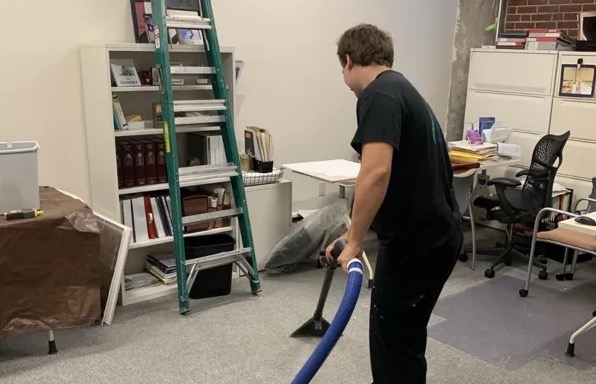
Tile Floor Water Damage Restoration Experts Serving Grapevine, Texas
Tile floor water damage in Grapevine demands a response that considers both the visible tile and the hidden layers. Delays can increase the tile floor water damage cost significantly due to expanded repairs.
Across Grapevine and nearby places like Southlake, Coppell and Colleyville, water damaged tile floors need expert care to restore their appearance and function. The tile floor water damage cost can escalate if moisture isn't fully removed.
Tile Floor Water Damage Restoration Solutions Available in Grapevine
Tile Floor Water Damage Repair
Water can loosen tile adhesive and make tiles lift. Pros check each tile and re-set or replace the ones that have come loose.
Tile Floor Drying Services
Following water removal, air movers and dehumidifiers are deployed. This drying phase addresses moisture held in grout and underlayment materials.
Tile Floor Water Extraction
Standing water on tile flooring requires extraction to stop migration beneath the surface, a common issue for properties in Grapevine.
Water Under Tile Flooring Removal
Pros use injection drying through grout lines or lift select tiles to reach and dry the subfloor, so the repair lasts.
Flooded Tile Floor Restoration
When a flood covers tile floors in Grapevine, local pros extract the water, dry, clean and disinfect the floor, then repair what was damaged.
Common Signs Requiring Tile Floor Water Damage Restoration
Cold or Damp Feeling Tiles
Tiles that feel cold or damp in one area usually have moisture trapped underneath.
Increased Humidity in the Room
A noticeable spike in room humidity, often near a tiled area, suggests evaporating moisture from a hidden leak. This warrants a professional tile floor water damage inspection.
Squeaking Sounds When Walking
Squeaks or creaks from a tile floor when walked upon can mean the underlayment is compromised by water. This is a subtle sign of water damage.
Mold Spots on Grout Lines
Black, green or gray specks along grout lines are mold, which means moisture is staying in the floor.
How Tile Floor Water Damage Restoration Works in Grapevine
Step 1: Source Stop and Safety Check
The water source is stopped and the area is made safe before work begins.
Step 2: Surface Water Removal
Water on the tile surface is removed with extraction wands and wet vacuums.
Step 3: Subsurface Drying Deployment
Drying equipment is deployed to address moisture in the substrate beneath the tiles, a core component of professional tile floor drying services.
Step 4: Completion Verification
The job is complete when verification moisture readings confirm all materials meet dry standard, helping ensure no residual moisture remains to cause future issues.
What Leads to Tile Floor Water Damage Restoration Needs
Natural Flooding Events
Heavy rain or flash floods can push water into a home and across tiled floors.
Appliance Leaks and Malfunctions
Dishwashers, washing machines, water heaters, and refrigerators with ice makers can leak slowly, saturating the subfloor beneath adjacent tile flooring over time.
Toilet Overflows and Seal Failures
A clogged toilet or a failed wax ring seal lets water spill onto the bathroom floor and seep under the tile.
Slab Foundation Moisture Wicking
In homes on slab foundations, ground moisture can wick up through the concrete and into the tile installation, causing persistent tile floor moisture issues.
Tile Floor Water Damage Restoration for All Properties in Grapevine
Residential Tile Floor Water Damage Restoration
In homes, tile floor water damage often occurs in kitchens, bathrooms, laundry rooms, and entryways. Local tile floor water damage pros focus on preserving the flooring's appearance and integrity while protecting the home's structure from subfloor rot and mold.
Commercial Tile Floor Water Damage Restoration
For businesses, water damaged tile floors in lobbies, restrooms, kitchens, and retail spaces present safety and image concerns. The pros in Grapevine prioritize discreet restoration to minimize downtime.
Calling Local Pros vs. DIY Tile Floor Water Damage Repair
Clean the tile with a mild detergent and avoid harsh chemicals that can damage grout. If you notice a musty odor or mold on grout, stop and call pros.
Cost Considerations for Tile Floor Water Damage Restoration in Grapevine
The cost for flooded tile floor restoration depends on the water source category, the specific flooring materials involved, and the accessibility of the damaged area for the necessary work.
Extent of Damage
The square footage of water damaged tile floors and depth of saturation directly influence the restoration scope and cost.
Tile and Grout Type
Specialized materials like porous stone or intricate grout can complicate the tile floor water damage repair procedure.
Subfloor Condition
Removing water under tile flooring and assessing the subfloor for damage can add steps to the repair process.
Does Insurance Cover Tile Floor Water Damage Restoration?
Tile floor mold prevention costs may be covered if the mold results from a water loss event included in your policy. Pros provide documentation linking the moisture issue to the initial damage.
Advantages of Hiring Local Pros in Grapevine
24/7 Emergency Response
Help is available any time to begin the tile floor water damage process and limit secondary issues.
Clear Process Communication
You receive straightforward explanations of each step, from initial assessment through the final moisture verification.
Mold Prevention Focus
Addressing humidity quickly is part of tile floor mold prevention to safeguard your indoor air quality.
24/7 Emergency Tile Floor Water Damage Restoration in Grapevine
For immediate tile floor water damage restoration, call (972) 736-7408 any time. The pros provide around-the-clock help to start water extraction and prevent further damage to your flooring and subfloor.
Call Now (972) 736-7408Local Tile Floor Water Damage Restoration Areas Around Grapevine
Removing water under tile flooring is a service provided for homes in Grapevine. The pros in Grapevine also assist homeowners in surrounding areas like Southlake, Coppell and Colleyville.
- Tile Floor Water Damage Restoration in Southlake
- Tile Floor Water Damage Restoration in Coppell
- Tile Floor Water Damage Restoration in Colleyville
- Tile Floor Water Damage Restoration in Flower Mound
- Tile Floor Water Damage Restoration in Euless
- Tile Floor Water Damage Restoration in Bedford
- Tile Floor Water Damage Restoration in Hurst
- Tile Floor Water Damage Restoration in Irving
- Emergency Damage Restoration in 76051
- Storm Damage Restoration in 76051
- Water Damage Restoration in 76051
- Water Extraction Service in 76051
- Water Leak Detection in 76051
- Water Removal Service in 76051
- Emergency Damage Restoration in 76099
- Storm Damage Restoration in 76099
Tile Floor Water Damage Restoration FAQs
Why is wet tile floor cleanup time-sensitive?
Early action limits further water migration, prevents subfloor swelling and tile delamination, and significantly reduces the opportunity for mold growth to begin in the damp materials.
Does tile floor mold prevention require special chemicals?
As part of a complete drying protocol, the pros may apply EPA-registered antimicrobial solutions during the cleaning phase to inhibit mold on the affected surfaces.
What tools are used for tile floor water damage inspection?
Inspections utilize tools like moisture meters, hygrometers, thermal imaging cameras, and sometimes borescopes to accurately assess both visible and concealed water damage within the flooring assembly.
What is tile floor mold prevention after water damage?
It involves rapid drying to remove the moisture mold needs, along with applying EPA-registered antimicrobials to affected areas during restoration.
How is a tile floor moisture inspection conducted?
Pros use non-invasive moisture meters and thermal imaging to detect hidden dampness in the tile, grout, and the underlying substrate.