Grand Prairie, TX · Dallas County
Subfloor Water Extraction in Grand Prairie, TXWood Floor Water Damage Cleanup & Water Damaged Subfloor Repair
Subfloor Water Extraction in Grand Prairie includes wet subfloor drying services, wood floor water damage cleanup, and emergency water extraction.
Answered 24/7
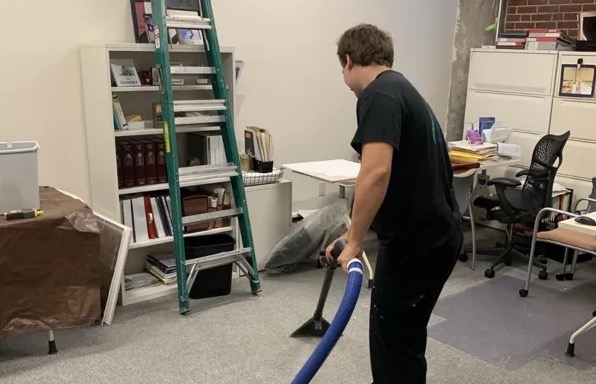
Your Local Water Damage Pros for Subfloor Water Extraction in Grand Prairie
In Grand Prairie, water in a crawl space raises humidity in the whole home. Removing it protects the foundation and keeps insects away.
Properties in Grand Prairie and nearby areas like Irving, Euless and Duncanville can experience subfloor water issues from various sources. Local water damage pros provide focused subfloor water extraction to address these regional concerns.
Subfloor Water Extraction and Related Services in Grand Prairie
Wood Floor Water Damage Cleanup
Water ruins hardwood or laminate floors by seeping below. Wood floor cleanup extracts water from surface and structure to preserve flooring value.
Water Damaged Subfloor Repair
Once drying is complete, damaged subfloor materials often require repair or replacement. Water damaged subfloor repair involves assessing the structural integrity of joists and sheathing.
Crawl Space Water Extraction
Ignoring crawl space water invites mold and pests. Crawl space water extraction in Grand Prairie provides urgent response.
Subfloor Leak Water Extraction
Hidden water under flooring risks mold and decay. Subfloor water extraction in Grand Prairie thoroughly dries the structural cavity. Experts use specialized tools for access.
Emergency Water Extraction
Unexpected water incidents in Grand Prairie demand early professional help. Emergency water extraction involves assessing the source, containing the spread, and extracting accessible water.
Warning Signs You Need Subfloor Water Extraction in Grand Prairie
Visible Mold on Baseboards
Mold growth along baseboards or floor edges is a clear warning sign of excess moisture in the subfloor area.
Puddles Reappearing After Cleaning
If water keeps seeping up or puddles come back after you wipe them, there is likely a leak under the floor.
Cracking or Popping Sounds
Hearing cracking or popping sounds from your floor when walked on can signal a compromised, water-damaged subfloor.
Spongy or Soft Floor Sections
If your floor feels soft, bouncy, or spongy underfoot, the subfloor likely has significant water damage and rot.
How Subfloor Water Extraction Works in Grand Prairie
Step 1: Emergency Water Extraction
The process begins with powerful truck-mounted or portable extractors to remove all standing water from the crawl space or under the floorboards.
Step 2: Subfloor Moisture Mapping
Using moisture meters and thermal imaging, the pros map the exact extent of water penetration in the subfloor and surrounding structures.
Step 3: Targeted Subfloor Drying
Industrial-grade air movers and dehumidifiers are strategically placed to create optimal airflow and draw moisture out of the wood subfloor and joists.
Step 4: Verification of Dryness
Final moisture readings are taken to confirm the subfloor meets industry-standard dryness criteria before any repair or flooring replacement begins.
Common Causes of Subfloor Water Damage in Grand Prairie
Plumbing Leaks Under the Floor
Leaking supply lines, drain pipes, or a cracked slab can slowly saturate the subfloor from below, causing hidden damage.
Poor Bathroom or Kitchen Sealing
Failed caulking or grout around showers, tubs, and sinks allows water to seep into the subfloor during everyday use.
Foundation Cracks and Seepage
Cracks in your home's foundation or slab can allow groundwater to seep in, leading to a wet subfloor over time.
Appliance Malfunction or Overflow
A failed dishwasher, washing machine, water heater, or refrigerator ice maker can flood an area and soak the subfloor.
Commercial Subfloor Water Extraction Solutions in Grand Prairie
Residential Subfloor Water Extraction
At home, water under floorboards in living rooms, kitchens and bathrooms leads to mold and costly floor repair. The pros extract it and dry the subfloor.
Commercial Subfloor Water Extraction
For businesses, a flooded subfloor can disrupt operations, damage inventory, and create liability risks. The experts handle water in retail spaces, offices, and restaurants, minimizing downtime.
Subfloor Water Extraction vs. DIY: When to Call Local Pros
Take clear photos and video of the wet area for your insurance claim. Do not pull up permanent flooring yourself, since meters are needed to see which layers are wet.
Subfloor Water Extraction Cost Considerations in Grand Prairie
Pricing for subfloor water extraction in Grand Prairie varies with the job's specifics. The severity of the flood, measured by moisture readings, dictates the approach. Access to the wet subfloor and the presence of mold influence labor. Market rates for the pros in Texas also factor into the final estimate.
Structural Repair Needs
If the subfloor or joists are warped or rotten, water damaged subfloor repair becomes part of the overall project scope and cost.
Required Drying Time
The number of days needed to achieve dry standard readings with industrial equipment is a major component of the service duration.
Affected Square Footage
The total area of wet subfloor directly influences the amount of equipment and labor hours needed for complete moisture removal.
Does Insurance Cover Subfloor Water Extraction?
Insurance may cover subfloor water extraction if the cause is a covered peril. A documented report of the damage and the subfloor drying process is created. This supports the homeowner's claim.
The Value of Local Pros for Subfloor Water Extraction in Dallas County
Clear Communication
You receive clear explanations of the findings, the planned subfloor water removal steps, and the expected drying timeline.
Focus on Structural Integrity
The process prioritizes drying the wood structure of your subfloor to maintain the strength and safety of your home.
24/7 Emergency Response
Water under floorboards requires immediate attention to minimize damage; local pros are available for urgent calls anytime.
Emergency Subfloor Water Extraction Response in Grand Prairie, TX
Emergency water extraction is critical when water invades the space below your floors. To get the pros to your home in Grand Prairie for help, dial (972) 736-7408.
Call Now (972) 736-7408Subfloor Water Extraction Services in Grand Prairie and Nearby Areas
Professional subfloor water extraction in Grand Prairie tackles water under floorboards. The process includes emergency extraction and systematic drying for Grand Prairie and nearby Irving, Euless and Duncanville.
- Subfloor Water Extraction in Irving
- Subfloor Water Extraction in Euless
- Subfloor Water Extraction in Duncanville
- Subfloor Water Extraction in Bedford
- Subfloor Water Extraction in Hurst
- Subfloor Water Extraction in Mansfield
- Subfloor Water Extraction in DeSoto
- Subfloor Water Extraction in Midlothian
- Emergency Damage Restoration in 75050
- Storm Damage Restoration in 75050
- Water Damage Restoration in 75050
- Water Extraction Service in 75050
- Water Leak Detection in 75050
- Water Removal Service in 75050
- Emergency Damage Restoration in 75051
- Storm Damage Restoration in 75051
FAQs on Subfloor Water Extraction in Grand Prairie
What is crawl space water extraction?
It involves removing water that has pooled in a crawl space beneath a home, often requiring specialized pumps due to limited access and height.
How do pros dry a wet subfloor?
Using industrial-grade extractors, dehumidifiers, and air movers, they create airflow to evaporate moisture, then monitor with meters until dry standards are met.
Why is emergency water extraction important?
Immediate emergency water extraction limits the water's spread and absorption into the subfloor, reducing the scope of damage and the risk of structural compromise.
Can wet subfloor drying save hardwood floors?
Effective drying of the wet subfloor below can stabilize the environment and improve the chances of saving hardwood flooring from permanent damage.
Can water under floorboards cause mold?
Yes, a damp subfloor provides ideal conditions for mold growth within 24-48 hours, making water extraction and drying critically important.