Irving, TX · Dallas County
Standing Water Extraction in Irving, TXFlooded Room Drying & Crawl Space Water Extraction
In Irving, Standing Water Extraction covers groundwater flood extraction, emergency water pump out, and flooded room drying.
Answered 24/7
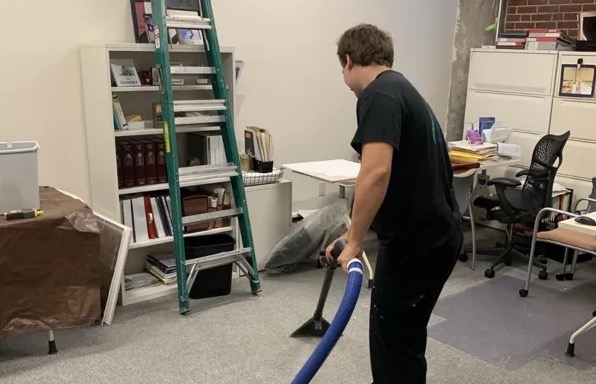
Professional Standing Water Extraction in Irving, TX
Across Irving, standing water is a slip and shock hazard and ruins belongings. The longer it sits, the bigger and costlier the cleanup becomes.
Businesses in Irving, Grand Prairie, Farmers Branch and Euless lose money while water sits on the floor. Local standing water removal experts bring high-capacity pumps and dryers to remove it after roof or plumbing leaks.
Standing Water Extraction Work for Irving Properties
Flooded Room Drying
After extraction, local water damage pros run air movers and dehumidifiers in the flooded room until moisture readings show the floors and walls are dry.
Crawl Space Water Extraction
Crawl space flooding is addressed with specialized access and extraction methods. The experts remove the water and implement drying strategies tailored to the confined, often poorly ventilated area to combat rot and musty odors.
Appliance Leak Water Removal
Appliance leak water removal extracts water from failed water heaters or washing machines.
Groundwater Flood Extraction
Groundwater coming in from the soil needs high-volume pumps. The experts remove it and then check that walls and floors are dry with meters.
Post-Flood Sanitization
Final sanitization is a key phase following water removal. The experts perform this cleaning to address microorganisms that may have been introduced by the floodwater, an essential process for a truly restored and healthy indoor environment.
Indicators of Standing Water Damage in Irving
Commercial Floor Flooding
Water on retail or office floors is a slip hazard and can force a business to close.
Musty Odor in Rooms
A persistent earthy smell often means water is collecting somewhere you cannot see.
Crawl Space Flooding Signs
Mud, debris or water in your crawl space can weaken the supports under the house.
Wet Drywall or Baseboards
Discolored or soft walls and trim show water has wicked up into the structure.
How Standing Water Extraction Works in Irving
Step 1: On-Scene Flood Damage Evaluation
The experts classify the water category, map the affected zones, and plan the sequence for emergency flood cleanup.
Step 2: Standing Water Removal
The primary remove standing water action uses extractors to pull water from carpets, pads, and hard floor surfaces throughout the property.
Step 3: Controlled Environment Drying
Dehumidifiers keep humidity down while materials dry, which helps prevent mold and odor.
Step 4: Antimicrobial Application
As a preventative measure, approved antimicrobial agents are applied to damp surfaces during the post-flood sanitization step.
Causes of Residential Water Accumulation
Fire Suppression System Activation
An accidental fire sprinkler discharge releases a lot of water at once.
Natural Groundwater Rise
Soil that stays saturated after long wet spells can push water up through cracks in slab floors.
Plumbing System Failures
Burst pipes, leaking fittings and failed supply hoses can release large volumes of water fast.
Appliance Malfunctions and Leaks
Faulty water heaters, washing machines, dishwashers and refrigerators can leak a lot of water before anyone notices.
Residential and Commercial Standing Water Extraction in Irving
Residential Standing Water Extraction
Appliance leaks often flood kitchens and laundry rooms. Calling the experts for appliance leak water removal prevents water from spreading to subfloors.
Commercial Standing Water Extraction
For strip malls, offices, or manufacturing sites, standing water removal must be thorough. The pros use extractors and industrial dehumidifiers.
Why DIY Water Removal Often Fails
You can mop hard floors to prevent slips and put towels around appliances to contain small leaks. Water soaked into drywall, insulation or subfloors needs pros with drying equipment.
What Influences Water Extraction Costs
The final cost depends on the extraction method, the drying equipment needed and any structural repairs found along the way.
Documentation for Insurance
Detailed photo and moisture documentation for your claim file adds a professional service layer that is part of the process.
Required Drying Time
The duration needed for thorough flooded room drying with industrial dehumidifiers influences the total equipment rental and monitoring time.
Materials Affected
Porous materials like drywall and carpet hold more water and often must be removed, which adds to the job.
Does Insurance Cover Standing Water Extraction?
For appliance leak water removal, coverage often applies if the leak was sudden and accidental. Gradual leaks from wear and tear might not be covered. The pros in Irving create a thorough record of the damage to assist you in filing your claim with your insurance company.
Advantages of Professional Standing Water Extraction
Comprehensive Damage Documentation
Detailed photos and moisture logs are created throughout the water extraction service, providing a clear record for your reference and insurance needs.
IICRC-Standard Extraction Methods
Pros follow industry drying standards to remove water fully, which helps prevent mold and secondary damage.
Structured Drying Process
Drying is tracked with readings each day until the floor and walls are actually dry.
Round-the-Clock Standing Water Extraction Services
Property owners should not let standing water sit. For 24/7 emergency water extraction service in Irving, Grand Prairie, Farmers Branch and Euless, dial (972) 736-7408. Quick intervention helps minimize structural damage and mold risk.
Call Now (972) 736-7408Standing Water Extraction Coverage Around Irving
Crawl space water extraction and post-flood sanitizing are available in Irving and nearby areas including Grand Prairie, Farmers Branch and Euless.
- Standing Water Extraction in Grand Prairie
- Standing Water Extraction in Farmers Branch
- Standing Water Extraction in Euless
- Standing Water Extraction in Carrollton
- Standing Water Extraction in Highland Park
- Standing Water Extraction in Coppell
- Standing Water Extraction in Grapevine
- Standing Water Extraction in Bedford
- Emergency Damage Restoration in 75014
- Storm Damage Restoration in 75014
- Water Damage Restoration in 75014
- Water Extraction Service in 75014
- Water Leak Detection in 75014
- Water Removal Service in 75014
- Emergency Damage Restoration in 75015
- Storm Damage Restoration in 75015
Common Standing Water Extraction Queries Answered
What is included in commercial water removal?
Commercial water removal involves large-scale extraction, protecting inventory and equipment, strategic drying to minimize business interruption, and detailed documentation for property management.
How quickly should standing water be removed?
Standing water should be removed as soon as possible, ideally within 24-48 hours, to prevent structural damage, mold growth, and the spread of contamination throughout the property.
Is post-flood sanitization always necessary?
Post-flood sanitization is recommended after most flooding events, especially if the water was contaminated, to disinfect surfaces and inhibit mold after drying is complete.
How does 24/7 emergency service work for water extraction?
24/7 emergency service means homeowners can call for help any time, day or night. The experts usually mobilize to start the water extraction service to mitigate damage.
Why is crawl space water extraction important?
Water in a crawl space damages foundation piers, can grow mold under the home and sends musty odors into living spaces.