North Richland Hills, TX · Tarrant County
Sewer Backup Water Removal in North Richland Hills, TXSewer Backup Drying Services & Sewage Backup Cleanup
Sewer Backup Water Removal in North Richland Hills includes emergency sewer water extraction, sewage backup cleanup, and contaminated water removal.
Answered 24/7
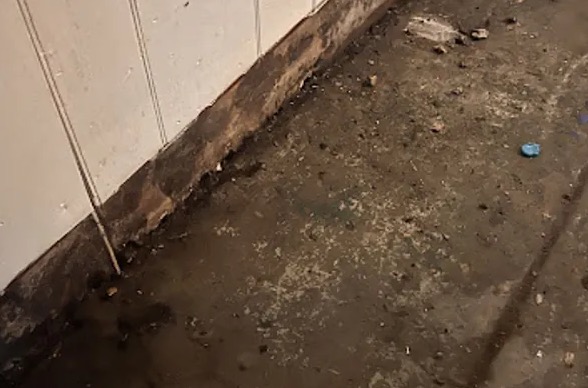
Sewer Backup Water Removal Services for North Richland Hills Residents
Sewer line backup cleanup focuses on the source of the intrusion, a key concern for properties in North Richland Hills. A blockage or break in the main sewer line can cause widespread flooding and contamination.
Sewer backups in North Richland Hills and nearby Watauga, Haltom City and Hurst can flood lower floors with black water without warning. Local pros respond 24/7 to extract it before swelling, odor and mold set in.
Professional Sewer Backup Water Removal Offerings in North Richland Hills
Sewer Backup Drying Services
Local sewer water extraction experts dry the structure fully so mold does not follow. Moisture meters and thermal cameras track progress until materials reach a dry reading.
Sewage Backup Cleanup
Cleaning after a sewer backup goes beyond simple mopping. Professionals follow strict protocols for handling biohazards, helping ensure all affected areas in North Richland Hills are treated with appropriate antimicrobial agents to neutralize harmful bacteria and viruses.
Sewer Line Backup Cleanup
A main line backup can push large volumes of sewage into lower levels. The experts extract it and sanitize the flooded rooms.
Contaminated Water Removal
Black water is extracted and the area is contained so it does not spread while cleanup is under way in North Richland Hills.
Sewer Backup Drywall Removal
The experts in North Richland Hills carefully cut out and dispose of drywall that has absorbed contaminated sewer water.
Indicators You Need Professional Sewer Water Extraction
Recent Heavy Rainfall Flooding
Heavy storms can overload city sewers and push water back up through floor drains into homes.
Foul Sewer Odors Indoors
A rotten egg smell means sewer gas is escaping from a drain or broken pipe. The gas is a health hazard and often comes before a backup.
Slow Flushing or Overflow
Toilets that will not flush or keep overflowing are an early sign of a sewer line backup.
Multiple Drains Backing Up
When sinks, showers and toilets all drain slowly or overflow at once, the main sewer line is probably clogged.
How Sewer Backup Water Removal Works in North Richland Hills
Step 1: Initial Sewer Water Extraction
Immediate extraction of all standing sewage water is performed to mitigate damage and begin the flood cleanup process.
Step 2: Wet Drywall and Flooring Removal
Porous, contaminated materials like wet drywall and flooring are cut out and disposed of according to hazardous waste guidelines.
Step 3: Structural Drying and Monitoring
The pros deploy drying equipment and use moisture meters to monitor progress until the area meets dry standard criteria.
Step 4: Sanitization After Sewer Backup
A thorough sanitization after sewer backup is conducted, including air scrubbing if needed, to eliminate odors and pathogens.
Common Causes of Sewage Backup Damage in North Richland Hills
Severe Clogs in Lateral Lines
A blockage in the pipe between your home and the city sewer is one of the most common backup causes.
Improperly Installed Plumbing
Pipes laid with the wrong slope or poor connections let waste settle and cause repeat backups.
Aging or Collapsed Pipes
Old sewer lines can break or collapse, letting raw sewage escape into the yard or the house.
Foundation Shifts or Settling
Ground movement can crack sewer pipes under a home and let wastewater leak out.
Commercial Sewer Backup Water Removal for North Richland Hills Area
Residential Sewer Backup Water Removal
In houses, sewer backups often reach lower-level rooms and mechanical areas. The pros clean and disinfect before any rebuilding and document the damage for your insurer.
Commercial Sewer Backup Water Removal
In offices and multi-tenant buildings, the pros set up barriers and air scrubbers so the backup does not spread to other tenants.
Sewer Backup Water Removal vs. DIY: When to Call Sewer Water Extraction Experts
Open windows if the outdoor air is good, but do not run fans before cleanup, since they can spread contamination. Drying should start only after the sewage is removed and the area is sanitized.
Sewer Backup Water Removal Cost in North Richland Hills, TX
Estimating the cost of contaminated water cleanup in North Richland Hills involves assessing porous materials that must be discarded, the structural drying needed, and post-cleanup verification testing.
Emergency Response
A 24/7 emergency sewer cleanup call, especially during off-hours, involves mobilization costs for water extraction and damage containment.
Affected Area Size
The total square footage flooded dictates the scale of extraction and drying equipment needed, directly impacting the labor and resource investment.
Contamination Level
Heavy sewage saturation in porous materials like drywall or insulation often requires removal rather than cleaning, adding to material replacement costs.
Does Insurance Cover Sewer Backup Water Removal?
Does insurance cover sewer line backup cleanup? It might, but often only if the backup originates on your property and is not due to neglect. The pros in North Richland Hills gather evidence like moisture maps for your claim.
Benefits of Local Experts for Sewer Backup Water Removal
Odor Neutralization Techniques
Specialized deodorization methods address persistent sewage odors, working to restore a fresher indoor environment post-cleanup.
Black Water Expertise
Category 3 water needs specific safety gear and disinfection steps, and pros know how to handle it.
Structural Drying Systems
Industrial air movers and dehumidifiers are deployed to dry wall cavities and subfloors thoroughly, preventing secondary mold damage.
Emergency Sewer Water Removal in North Richland Hills
A sewer backup requires immediate attention to stop further damage and health hazards. For 24/7 emergency sewer cleanup and water extraction in North Richland Hills, call (972) 736-7408 to speak with the experts.
Call Now (972) 736-7408Local Sewer Backup Water Removal Coverage: North Richland Hills and Beyond
When a sewer line fails, the resulting black water damage requires professional extraction and sanitization. The experts serve North Richland Hills and nearby communities including Watauga, Haltom City and Hurst for sewage backup cleanup.
- Sewer Backup Water Removal in Watauga
- Sewer Backup Water Removal in Haltom City
- Sewer Backup Water Removal in Hurst
- Sewer Backup Water Removal in Bedford
- Sewer Backup Water Removal in Colleyville
- Sewer Backup Water Removal in Keller
- Sewer Backup Water Removal in Saginaw
- Sewer Backup Water Removal in Southlake
- Emergency Damage Restoration in 76180
- Storm Damage Restoration in 76180
- Water Damage Restoration in 76180
- Water Extraction Service in 76180
- Water Leak Detection in 76180
- Water Removal Service in 76180
- Emergency Damage Restoration in 76182
- Storm Damage Restoration in 76182
Sewer Backup Water Removal FAQs
How long does sewer backup drying services take?
Sewer backup drying services duration depends on the extent of saturation and materials involved, typically taking several days with industrial dehumidifiers and air movers.
What are the health risks of delayed sewer backup restoration?
Delayed sewer backup restoration risks include exposure to harmful bacteria and viruses, mold growth, and persistent foul odors that permeate the home.
Why is wet drywall removal necessary after a sewer backup?
Wet drywall removal is necessary because porous drywall acts as a sponge for sewage, trapping contaminants and moisture that cannot be adequately cleaned or dried.
What is biohazard sewage remediation?
Biohazard sewage remediation is the specialized cleanup and disinfection of areas contaminated with sewage, which is considered a Category 3 biohazardous material.
Is sanitization after sewer backup always required?
Sanitization after sewer backup is always required to kill pathogens and prevent mold, using EPA-registered disinfectants on all affected hard surfaces.