Springtown, TX · Parker County
Septic Tank Backup Water Removal in Springtown, TXEmergency Septic Backup Response & Septic Tank Drain Backup Cleanup
Septic Tank Backup Water Removal in Springtown includes emergency septic backup response, septic backup sewage cleanup, and septic system water damage repair for properties in Springtown.
Answered 24/7
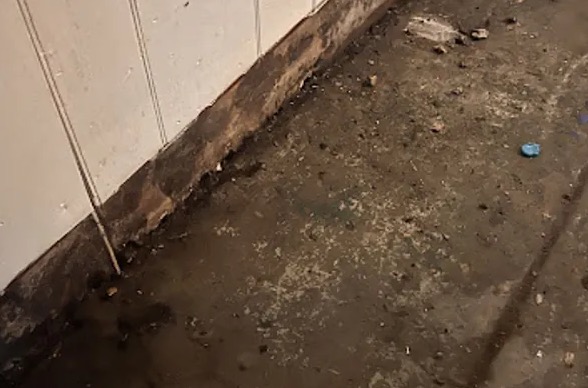
Expert Septic Tank Backup Water Removal for Springtown Homes
Septic tank flooding in Springtown presents a serious health risk due to pathogens and gases from the backup. The contaminated water can ruin flooring, drywall and personal belongings if not removed promptly.
Septic backup water extraction in Springtown and the broader region, including places like Azle, Boyd and Rhome, demands expertise in both water damage and biohazard cleanup. Local water removal pros are equipped with pumps and sanitizing agents to manage sewage backup removal safely.
Septic Tank Backup Water Removal Services in Springtown
Emergency Septic Backup Response
An emergency response to a septic backup in Springtown starts with a safety evaluation and water extraction setup. The pros are available 24/7 to begin this critical mitigation.
Septic Tank Drain Backup Cleanup
Cleanup for a septic tank drain backup in Springtown involves clearing blockages and removing all contaminated water from the plumbing system. Local cleanup specialists then sanitize the drain lines and fixtures.
Septic Backup Sewage Cleanup
Local sewage cleanup for a septic backup involves extracting black water and cleaning hard surfaces. The pros in Springtown follow established safety protocols to handle the hazardous organic matter.
Septic Tank Backup Water Extraction
Industrial vacuums are deployed by the experts to handle the contaminated water from a septic tank failure. Prompt removal is the critical first step in the restoration protocol.
Septic Backup Odor Removal
The pros tackle septic backup odors by treating affected structural materials and deodorizing the air. Effective odor removal is a key final step before reconstruction can be considered complete.
Warning Signs You Need Septic Tank Backup Water Removal
Foul Odors Near the Drain Field
Persistent sewage smells around your yard or near plumbing fixtures signal a potential septic system overflow. These odors often worsen after water use.
Drains Back Up After Heavy Rain
Drains that back up after storms often mean the drain field is saturated and the tank cannot drain.
Multiple Drains Backing Up Simultaneously
When several fixtures clog or drain slowly at once, the problem is usually the main line or the tank, not a single clog.
Sewage Backup in Bathtub or Shower
Wastewater surfacing in tubs or showers, particularly on lower floors, is a dire warning of a main line septic backup cleanup emergency.
How Septic Tank Backup Water Removal Works in Springtown
Step 1: Septic Overflow Response
Local pros respond day or night and assess how far the septic water has spread.
Step 2: Septic System Water Removal
Extraction equipment removes the contaminated liquid quickly and limits the health hazard.
Step 3: Comprehensive Sewage Cleanup
Sanitizing and odor removal follow, so the space is fully decontaminated before drying.
Step 4: Repair and Documentation
The damage is documented for your insurer, and repairs address any structural harm from the backup.
Frequent Sources of Septic System Water Damage
Flushing Non-Biodegradable Items
Wipes, hygiene products and grease build up in pipes and cause stubborn clogs that push sewage back inside.
Full or Failing Septic Tank
A tank at capacity cannot accept new wastewater, causing immediate backups into your home. Regular pumping prevents this common septic tank backup cause.
Damaged or Collapsed Drain Field
When the drain field fails, water has nowhere to go and backs up into the house again and again.
Clogged Inlet or Outlet Baffles
Blockages at the tank's entry or exit points prevent proper flow. This disruption is a frequent reason for septic tank water extraction calls.
All-Property Septic Tank Backup Water Removal in Springtown
Residential Septic Tank Backup Water Removal
A septic backup in a home needs urgent cleanup to protect the household's health. Pros remove the waste, then sanitize all surfaces with hospital-grade disinfectants.
Commercial Septic Tank Backup Water Removal
Industrial facilities with septic issues face complex challenges with machinery and large-scale flooring. The experts utilize truck-mounted pumps and industrial air movers to manage large volumes and restore the workspace to operational condition.
The Dangers of DIY Septic Tank Backup Water Removal in Springtown
You can safely turn off the water supply to toilets and appliances to prevent adding volume to the backup. Document visible damage with photos for your records.
Understanding Septic Tank Backup Water Removal Expenses in Springtown
Cost depends on how much water must be extracted and whether the drain line to the tank also backed up.
Odor Removal Needs
Persistent septic backup odors often need advanced air scrubbing and sealing techniques, which require additional equipment and time to address effectively.
Damage Documentation
Detailed septic water damage documentation for insurance purposes involves time for photos, moisture mapping, and report preparation by the pros.
Decontamination Procedures
Thorough septic overflow decontamination involves specialized antimicrobial agents and cleaning processes, which contribute to the overall material and labor costs.
Does Insurance Cover Septic Tank Backup Water Removal?
A claim for septic tank water extraction might be covered if the overflow resulted from a peril like a tree root invasion damaging the line. Always report the incident to your insurer promptly for guidance.
The Value of Local Septic Backup Cleanup Pros in Springtown
Detailed Damage Documentation
Photos, moisture readings, and detailed notes are compiled for your septic water damage documentation to support insurance communications.
24/7 Emergency Response
Septic backups demand immediate attention; the pros are available around the clock for emergency septic backup response calls.
Comprehensive Sewage Cleanup
Every surface touched by septic backup receives a thorough cleaning with EPA-registered agents to eliminate contamination risks.
24/7 Emergency Septic Tank Backup Water Removal in Springtown
A septic line backup needs professional help. For help from septic cleanup pros in your area, call (972) 736-7408 and describe what happened.
Call Now (972) 736-7408Local Septic Tank Backup Water Removal for Azle, Boyd and Rhome
Homes in Springtown with septic backups can get sewage removal and cleanup. Help is also available in nearby Azle, Boyd and Rhome.
- Septic Tank Backup Water Removal in Azle
- Septic Tank Backup Water Removal in Boyd
- Septic Tank Backup Water Removal in Rhome
- Septic Tank Backup Water Removal in Weatherford
- Septic Tank Backup Water Removal in New Fairview
- Septic Tank Backup Water Removal in Bridgeport
- Septic Tank Backup Water Removal in Decatur
- Septic Tank Backup Water Removal in Saginaw
- Emergency Damage Restoration in 76082
- Storm Damage Restoration in 76082
- Water Damage Restoration in 76082
- Water Extraction Service in 76082
- Water Leak Detection in 76082
- Water Removal Service in 76082
Septic Tank Backup Water Removal Common Questions Answered
Is septic backup odor removal always necessary?
Almost always. Persistent odors indicate lingering contamination or moisture. Odor removal uses specialized equipment like hydroxyl generators or ozone machines to eliminate smells at their source.
What causes a septic tank flooding incident?
Common causes include a full tank, a clogged drain field, pipe blockages or heavy rain overwhelming the system.
How does septic system water removal prevent mold?
Extraction followed by drying with dehumidifiers and air movers removes the moisture mold needs, which matters after any septic backup.
Can septic system water damage repair be extensive?
Yes. Subfloors, drywall or insulation soaked with contaminated water usually have to be removed and replaced.
What does septic overflow decontamination involve?
The process uses EPA-registered disinfectants and antimicrobial cleaners on all affected surfaces to kill bacteria and viruses, ensuring the area is sanitized and safe for reoccupation after the cleanup.