Lewisville, TX · Denton County
Septic Tank Backup Water Removal in Lewisville, TXSeptic Backup Sewage Cleanup & Septic Tank Drain Backup Cleanup
Septic Tank Backup Water Removal in Lewisville involves septic tank backup water extraction, septic backup sewage cleanup and septic overflow decontamination.
Answered 24/7
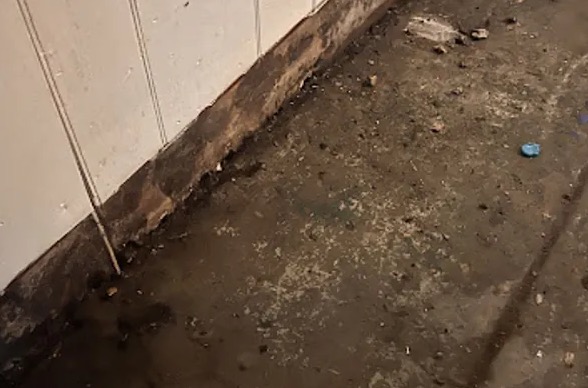
Reliable Septic Tank Backup Water Removal in Lewisville
Septic line backup water removal in Lewisville is crucial because the backup source might be deep in the system, requiring expertise to diagnose and address. Incorrect cleanup can lead to repeat overflows and further property damage.
Septic tank backup water removal services in Lewisville are vital for homes that rely on septic systems, which can fail due to blockages or heavy use. Properties in nearby areas like Highland Village, Lake Dallas and Flower Mound also face similar risks from septic overflows.
Comprehensive Septic Tank Backup Water Removal for Lewisville
Septic Backup Sewage Cleanup
Sewage cleanup after a septic backup in Lewisville requires the safe removal of all contaminated water and solid waste.
Septic Tank Drain Backup Cleanup
Local septic overflow cleanup specialists use equipment designed to handle the challenging nature of this contaminated water. This specialized cleanup addresses the solids and organic waste that have backed up into drains.
Septic System Water Damage Repair
Repair work addresses structural components like floor joists or wall studs compromised by contaminated water. Repairs follow once the area is clean and dry.
Septic Backup Odor Removal
The pros tackle septic backup odors by treating affected structural materials and deodorizing the air. Effective odor removal is a key final step before reconstruction can be considered complete.
Septic Tank Backup Water Extraction
The water extraction for a septic tank backup in Lewisville uses truck-mounted pumps to remove the contaminated water.
Warning Signs You Need Septic Tank Backup Water Removal
Multiple Drains Backing Up Simultaneously
When several fixtures clog or drain slowly at once, the problem is usually the main line or the tank, not a single clog.
Drains Back Up After Heavy Rain
Drains that back up after storms often mean the drain field is saturated and the tank cannot drain.
Sewage Visible in Cleanout Pipe
If you check the main sewer cleanout and find standing wastewater, your septic system overflow water removal must be addressed by the specialists.
Wet Spots or Soggy Ground Outside
Damp, lush or spongy patches in the yard near the septic tank can mean the tank is backing up.
How Septic Tank Backup Water Removal Works in Lewisville
Step 1: Septic Backup Response
The specialists start with an emergency response and a first look at how far the sewage spread.
Step 2: Contaminated Water Removal
Extraction equipment removes the sewage and contaminated water before it spreads further.
Step 3: Sewage Cleanup and Sanitizing
Surfaces are disinfected and deodorized so no bacteria or smell is left behind.
Step 4: Damage Documentation and Repair
The damage is documented for your insurance claim, and repairs restore the affected rooms.
What Causes Septic Tank Overflows in Lewisville
Damaged or Collapsed Drain Field
When the drain field fails, water has nowhere to go and backs up into the house again and again.
Broken or Misaligned Sewer Pipes
Settling soil, age or pressure can break the main line from the house to the tank.
Compacted Soil Over the Drain Field
Heavy vehicles or structures parked above the leach field prevent proper drainage. This compaction causes backups.
Full or Failing Septic Tank
A tank at capacity cannot accept new wastewater, causing immediate backups into your home. Regular pumping prevents this common septic tank backup cause.
Septic Tank Backup Water Removal for Homes and Businesses in Lewisville
Residential Septic Tank Backup Water Removal
Sewage smell can linger in a home after a septic backup. After cleanup, the pros remove the source, use air scrubbers and seal stained surfaces if the odor stays.
Commercial Septic Tank Backup Water Removal
For hotels or rental properties, a septic backup threatens reputation and revenue. Septic system water damage repair professionals work to rectify the plumbing issue and restore guest rooms or common areas with minimal downtime and thorough sanitization.
Professional Septic Tank Backup Water Removal Over DIY in Lewisville
You can safely identify and note the location of wet spots in your yard for the professionals. Avoid driving or walking over the suspected drain field area.
What Influences Septic Tank Backup Water Removal Pricing in Lewisville
The more complicated the backup, such as sewage under flooring or in several rooms, the more labor the cleanup takes.
Affected Materials
Porous materials like drywall or flooring that absorb septic water may require removal and disposal, adding to the project's scope and expense.
Odor Removal Needs
Persistent septic backup odors often need advanced air scrubbing and sealing techniques, which require additional equipment and time to address effectively.
Extent of Contamination
The severity of the septic backup and the area covered by sewage directly affects the hours of labor and materials required for proper cleanup.
Does Insurance Cover Septic Tank Backup Water Removal?
Coverage for residential septic backup cleanup hinges on the source of the problem. Policies often exclude damage from gradual neglect or lack of maintenance, focusing on sudden and direct causes.
The Value of Local Septic Overflow Cleanup Specialists in Lewisville
Detailed Damage Documentation
Photos, moisture readings, and detailed notes are compiled for your septic water damage documentation to support insurance communications.
24/7 Emergency Response
Septic backups demand immediate attention; the specialists are available around the clock for emergency septic backup response calls.
Thorough Drain Backup Cleanup
The process addresses the septic tank drain backup completely, cleaning the affected plumbing fixtures and surrounding areas.
24/7 Emergency Septic Tank Backup Water Removal in Lewisville
A septic line backup needs professional help. For help from septic cleanup pros in your area, call (972) 736-7408 and describe what happened.
Call Now (972) 736-7408Septic Tank Backup Water Removal Near Lewisville: Areas Served
In Lewisville, septic backups are cleaned up by the pros, who also serve nearby places such as Highland Village, Lake Dallas and Flower Mound.
- Septic Tank Backup Water Removal in Highland Village
- Septic Tank Backup Water Removal in Lake Dallas
- Septic Tank Backup Water Removal in Flower Mound
- Septic Tank Backup Water Removal in Hickory Creek
- Septic Tank Backup Water Removal in Coppell
- Septic Tank Backup Water Removal in Copper Canyon
- Septic Tank Backup Water Removal in Double Oak
- Septic Tank Backup Water Removal in Corinth
- Emergency Damage Restoration in 75029
- Storm Damage Restoration in 75029
- Water Damage Restoration in 75029
- Water Extraction Service in 75029
- Water Leak Detection in 75029
- Water Removal Service in 75029
- Emergency Damage Restoration in 75057
- Storm Damage Restoration in 75057
Septic Tank Backup Water Removal Common Questions Answered
What causes a septic tank flooding incident?
Common causes include a full tank, a clogged drain field, pipe blockages or heavy rain overwhelming the system.
Can septic system water damage repair be extensive?
Yes. Subfloors, drywall or insulation soaked with contaminated water usually have to be removed and replaced.
How quickly should I call for septic backup sewage cleanup?
Right away. Sewage carries germs that can make people sick, and the longer it sits the more it soaks into floors and walls.
What's the risk of untreated septic tank drain backup?
Untreated backups pose significant health risks from bacteria and viruses, cause permanent structural damage, and lead to pervasive mold infestations, greatly increasing repair costs later.
What happens during septic tank water extraction?
Powerful submersible pumps and truck-mounted extractors are used to remove the bulk of the contaminated liquid from the property, which is the first critical step in the restoration process.