Seagoville, TX · Dallas County
Roof Leak Water Removal in Seagoville, TXWet Insulation Removal & Emergency Roof Tarping
Local restoration pros in Seagoville provide roof leak water removal with emergency roof tarping, wall cavity drying and structural drying services.
Answered 24/7
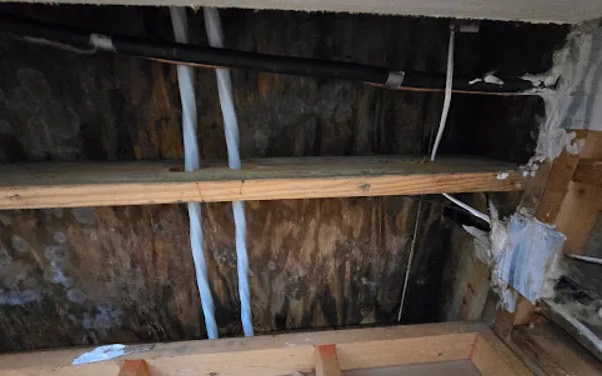
Water From a Roof Leak in Seagoville, Texas
A roof leak rarely stays in one spot. Rain soaks the decking, runs along rafters, pools on the ceiling drywall and can drip into walls before a stain shows in the room below.
Roof leak water removal is available in Seagoville and nearby Crandall, Balch Springs and Forney. The pros tarp the opening if needed, extract the water and dry the attic framing and ceiling drywall.
Attic and Ceiling Water Removal in Seagoville
Wet Insulation Removal
Soaked batts and blown insulation hold water against the ceiling and framing for weeks. The pros bag and remove it so the attic can dry.
Emergency Roof Tarping
A heavy tarp is fastened over the damaged section so rain stops coming in while the inside is dried. A roofer makes the permanent repair later.
Structural Drying Services
Air movers and dehumidifiers are set up in the attic and the rooms below. Rafters, decking and joists are metered daily until they reach normal readings.
Ceiling Water Damage Cleanup
Stained or sagging drywall is checked with a moisture meter. Sections that are soft or bowed are cut out so the cavity above can dry and the ceiling can be patched.
Attic Water Extraction
Water that pools on attic floors, vapor barriers or ceiling drywall is pulled out with wet vacuums and portable extractors before it soaks through to the room below.
Roof Leak Warning Signs in Seagoville
Rusty Nails in the Attic
Rust on roofing nails or metal straps in the attic means moisture has been collecting there over many rains.
Dark Spots on Attic Wood
Dark streaks or spots on rafters and roof decking show where water has been running or sitting for a while.
Puddles Under the Ceiling
Water on the floor under a stain or a drip means the ceiling above is already holding more than it can absorb.
Peeling Paint on Upper Walls
Bubbling or peeling paint near the ceiling line on exterior walls points to water running down inside the wall.
How Roof Leak Water Removal Works in Seagoville
Step 1: Stop the Water
The opening in the roof is tarped and drips inside are caught, so no more rain reaches the attic while the cleanup starts.
Step 2: Attic Water Extraction
Standing water is pulled from the attic floor and from on top of the ceiling with wet vacuums and portable extractors.
Step 3: Remove Wet Insulation
Soaked insulation is bagged and taken out so the drywall and joists underneath are open to air.
Step 4: Structural Drying
Air movers and dehumidifiers dry the rafters, decking and ceiling, with readings taken each day until the wood is dry.
Why Water Gets Into the Attic in Seagoville
Open Roof Valleys
Valleys carry the most water on a roof. Worn or poorly sealed valleys let that concentrated flow into the decking.
Clogged Gutters
Leaves and debris in gutters make water back up at the roof edge, where it seeps under shingles and into the soffit and walls.
Storm Debris and Hail
Falling branches and hail can crack shingles or puncture the deck, opening a direct path for rain into the attic.
Aging Roofing Materials
As shingles age they curl, lose granules and crack, and slow leaks start where the roof covering has worn thin.
Roof Leak Water Removal for Homes and Businesses in Seagoville
Residential Roof Leak Water Removal
In Seagoville, a roof leak in a home usually means a wet attic, a stained bedroom or hallway ceiling and soaked insulation. The pros dry each layer and photograph the damage for your claim.
Commercial Roof Leak Water Removal
On commercial buildings with flat roofs, water can spread across a drop ceiling before it shows. The pros remove wet ceiling tiles, extract the water and dry the space around business hours.
Roof Leak Water Removal vs. DIY: When to Call Restoration Pros
Move furniture, electronics and rugs out from under the leak, and set buckets under steady drips. Lay towels to keep water from spreading across wood or carpet floors.
Pricing Roof Leak Water Removal in Seagoville
Leaks found early cost less to clean up. Water that sat for a long time can mean more drywall and insulation to replace and longer drying.
Attic Access
Low, tight attics with little floor to stand on take longer to work in than open attics with a walkway.
Size of the Wet Area
The square footage of wet attic, ceiling and wall sets how much equipment is needed and how long it runs.
Belongings in the Way
Moving and drying furniture, stored boxes and electronics under the leak adds time to the job.
Does Insurance Cover Roof Leak Water Removal?
Many homeowner policies cover sudden roof leaks caused by a storm or falling tree, but not leaks from wear and age. Your insurer decides what is covered.
Why Professional Roof Leak Water Removal Pays Off
Finding Hidden Water
Thermal cameras and moisture meters find wet insulation and wall cavities that are not visible from the room below.
Wet Insulation Handled
Soaked insulation is bagged and removed so the ceiling and framing can dry instead of staying damp under it.
Records for Your Claim
Photos, readings and a materials list give your adjuster a clear picture of what the roof leak damaged.
Emergency Attic Water Removal in Seagoville
A sagging ceiling can come down without warning. Keep people out of the room and call (972) 736-7408 for emergency roof leak water removal in Seagoville.
Call Now (972) 736-7408Roof Leak Water Removal Near Seagoville: Areas Served
A stained ceiling in Seagoville often means water is sitting in the attic. The pros help homes here and in nearby Crandall, Balch Springs and Forney.
- Roof Leak Water Removal in Crandall
- Roof Leak Water Removal in Balch Springs
- Roof Leak Water Removal in Forney
- Roof Leak Water Removal in Mesquite
- Roof Leak Water Removal in Sunnyvale
- Roof Leak Water Removal in Lancaster
- Roof Leak Water Removal in Scurry
- Roof Leak Water Removal in Red Oak
- Emergency Damage Restoration in 75159
- Storm Damage Restoration in 75159
- Water Damage Restoration in 75159
- Water Extraction Service in 75159
- Water Leak Detection in 75159
- Water Removal Service in 75159
Common Questions After a Roof Leak
Are old ceiling stains a sign of an active leak?
Not always. A dry stain may be from a past leak. A stain that is damp, growing or bulging means water is still getting in.
Why does wet insulation have to come out?
Wet insulation stays damp for a long time, holds water against the ceiling and framing, and stops insulating. Removing it lets the attic dry.
Does every roof leak lead to mold?
No. Mold needs materials to stay wet for a day or more. When water is removed and the attic is dried promptly, mold usually does not take hold.
How do the pros find where a roof is leaking?
They trace the water from the stain up into the attic, follow it along the rafters and decking, and use moisture meters to find the entry point.
How long does it take to dry an attic after a roof leak?
Drying usually takes three to five days, depending on how wet the wood is and how much insulation came out. Readings decide when it is done.