Heath, TX · Rockwall County
Roof Leak Water Removal in Heath, TXCeiling Water Damage Cleanup & Attic Water Extraction
When rain gets into a Heath attic, roof leak water removal means emergency roof tarping, attic water extraction and structural drying services.
Answered 24/7
Roof Leak Water Removal in Heath, TX
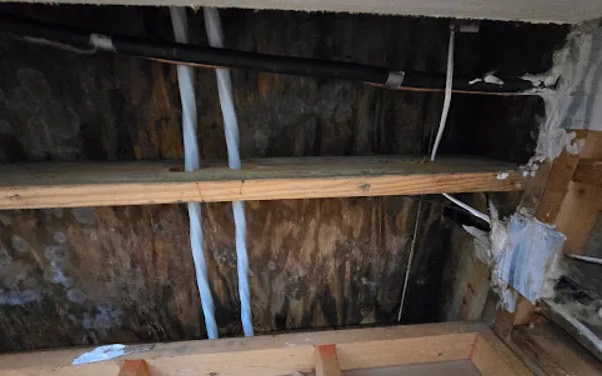
A small roof leak can run for weeks inside an attic before anyone notices. When the stain finally shows, the decking, insulation and drywall may all be wet.
Roof leak water removal is available in Heath and nearby Sunnyvale, Forney and Rowlett. The pros tarp the opening if needed, extract the water and dry the attic framing and ceiling drywall.
Attic and Ceiling Water Removal in Heath
Ceiling Water Damage Cleanup
Ceiling cleanup covers the drywall, texture and any wet insulation resting on it. Readings decide whether a panel can be dried in place or must be replaced.
Attic Water Extraction
The pros remove standing water from the attic first, because a ceiling holding water can sag and give way under the weight.
Wet Insulation Removal
Wet insulation loses its value and flattens. Removing it exposes the ceiling drywall and joists so air movers and dehumidifiers can reach them.
Structural Drying Services
Wet framing in Heath attics is dried with directed airflow and dehumidification. Daily readings show when the wood is dry enough for repairs.
Leak Source Identification
Photos of the entry point, the wet decking and the path of the water give the roofer and your insurer a clear record of the leak.
Roof Leak Warning Signs in Heath
Damp Baseboards on Exterior Walls
Wet or swelling baseboards under a ceiling stain mean water has traveled down the wall cavity from the attic.
Puddles Under the Ceiling
Water on the floor under a stain or a drip means the ceiling above is already holding more than it can absorb.
Gutters Spilling Over the Roof Edge
Gutters that overflow toward the house during storms can push water under the shingles and into the wall top plates.
Wet or Flattened Insulation
Insulation that is matted, stained or damp to the touch in the attic means rain is getting past the roof deck.
How Roof Leak Water Removal Works in Heath
Step 1: Stop the Water
The opening in the roof is tarped and drips inside are caught, so no more rain reaches the attic while the cleanup starts.
Step 2: Attic Water Extraction
Standing water is pulled from the attic floor and from on top of the ceiling with wet vacuums and portable extractors.
Step 3: Remove Wet Insulation
Soaked insulation is bagged and taken out so the drywall and joists underneath are open to air.
Step 4: Structural Drying
Air movers and dehumidifiers dry the rafters, decking and ceiling, with readings taken each day until the wood is dry.
Causes of Ceiling Water Damage in Heath
Worn Flashing
Flashing around chimneys, skylights and wall joints can crack, rust or pull loose, and water runs in along the gap.
Skylight Seals
Skylight gaskets and curb flashing wear out, and water runs into the shaft and down the drywall around the opening.
Open Roof Valleys
Valleys carry the most water on a roof. Worn or poorly sealed valleys let that concentrated flow into the decking.
Damaged or Missing Shingles
Wind, age and impact lift or tear shingles and leave the underlayment exposed, so rain soaks straight into the decking.
Roof Leak Water Removal for Homes and Businesses in Heath
Residential Roof Leak Water Removal
In older Heath homes, leaks often follow old chimney chases or plaster ceilings. The pros check these areas closely because plaster holds water longer than drywall.
Commercial Roof Leak Water Removal
Warehouses and shops with large roof areas can have several leaks at once. The pros map each wet area, extract water and dry the structure section by section.
DIY Steps and Their Limits After a Roof Leak in Heath
Do not poke a sagging ceiling to drain it yourself. The drywall can drop all at once, along with wet insulation and a lot of water.
Factors in Roof Leak Water Removal Cost in Heath
In Heath, the biggest cost drivers after a roof leak are wet insulation, wet ceiling drywall and how hard the attic is to work in.
Emergency Tarping
If the roof needs a tarp before drying can start, the materials and labor for that step add to the bill.
Belongings in the Way
Moving and drying furniture, stored boxes and electronics under the leak adds time to the job.
Drying Time
Each extra day of air movers, dehumidifiers and moisture checks adds to the cost, so wet wood that dries slowly costs more.
Does Insurance Cover Roof Leak Water Removal?
Some policies limit payment if a leak was left unrepaired for a long time. Report it promptly and keep receipts for the tarp and any emergency work.
Reasons to Use Local Pros for Roof Leak Cleanup
Wet Insulation Handled
Soaked insulation is bagged and removed so the ceiling and framing can dry instead of staying damp under it.
Drying to Measured Targets
Drying stops only when meters show the wood and drywall are dry, not when the surface looks dry.
24/7 Help During Storms
Roof leaks happen when it rains, often at night. Help is available around the clock, so tarping and extraction can start once it is safe.
Around-the-Clock Roof Leak Water Removal in Heath
Do not wait for a dry day to deal with a roof leak. Call (972) 736-7408 24/7 to stop the water and start drying the attic and ceilings.
Call Now (972) 736-7408Local Roof Leak Water Removal Coverage for Heath
Other places served are listed below, each with its own page.
Common Questions After a Roof Leak
What happens after the water is removed?
Drying equipment runs and the pros take readings until the attic and ceiling are dry. Then the roofer and drywall repairs can go ahead.
How soon should water removal start after a roof leak?
As soon as possible. Wet drywall and insulation can start to grow mold in 24 to 48 hours, and a ceiling holding water can sag and fall.
Does a stained ceiling always need to be replaced?
No. If moisture readings show the drywall is firm and dries out, it can often stay and be primed and painted. Soft or sagging sections are replaced.
Are old ceiling stains a sign of an active leak?
Not always. A dry stain may be from a past leak. A stain that is damp, growing or bulging means water is still getting in.
What should I do first when I find a roof leak?
Catch drips, move belongings away, turn off power to wet fixtures and take photos. Then call (972) 736-7408 to have the water removed and the attic dried.