Grand Prairie, TX · Dallas County
Office Building Water Extraction in Grand Prairie, TXCommercial Carpet Water Extraction & Office Building Drying Services
Office Building Water Extraction in Grand Prairie handles office building flood cleanup, commercial carpet water extraction and wet drywall removal.
Answered 24/7
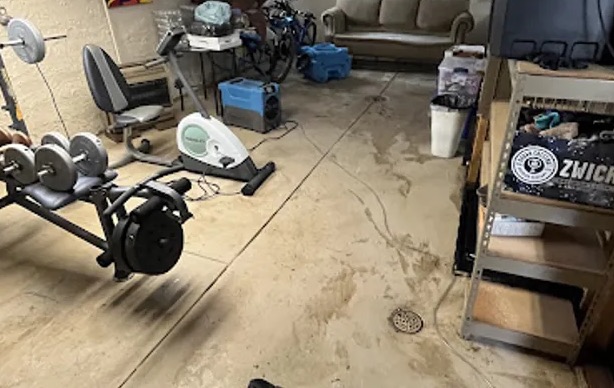
Office Building Water Extraction for Grand Prairie Businesses
Office carpet is glued down, walls hide metal studs and insulation, and drop ceilings hide water above them. That makes office water damage harder to see than it looks.
Office building water extraction is available in Grand Prairie and nearby Irving, Euless and Duncanville. The pros handle glue-down carpet, drop ceilings and metal-stud walls common in offices.
Water Extraction for Grand Prairie Office Spaces
Commercial Carpet Water Extraction
Glue-down and carpet-tile floors are extracted with weighted or truck-mounted tools that pull water from the backing as well as the surface.
Office Building Drying Services
The building's own HVAC is used with portable dehumidifiers to pull moisture out of large open floors and conference rooms.
Wet Drywall Removal
Office partition walls often have metal studs and insulation that holds water. Removing the bottom strip of drywall lets air reach the cavity.
Office Building Flood Cleanup
Floodwater from outside or a sewer backup is treated as contaminated. Wet porous materials are removed and floors are cleaned and disinfected before drying.
Office Records Water Protection
Furniture legs are set on blocks or foam pads so wood and laminate do not wick water while carpet is extracted and dried.
Signs Your Grand Prairie Office Needs Water Extraction
Rising Water Bill
A water bill that climbs with no change in use can point to a hidden leak in walls, ceilings or under the slab.
Stained Ceiling Tiles
Brown rings or sagging acoustic tiles mean water is collecting above the grid from a roof drain, pipe or the floor above.
Water Near Floor Boxes
Water around floor outlets, cable trays or raised floors is a safety risk. Keep people away and turn off power to that area.
Bubbling Paint or Wallcovering
Paint or vinyl wallcovering that bubbles or peels on lower walls points to moisture trapped inside the wall.
How Office Building Water Extraction Works in Grand Prairie
Step 1: Walkthrough With Management
The pros walk the affected floors with the property manager to agree on what to dry first and what can stay open.
Step 2: Extraction
Water is removed from carpet, tile and cabinet bases, and wet debris is cleared from the floor.
Step 3: Controlled Drying
Dehumidifiers and air movers are adjusted daily as readings change, and wet furniture is dried or set aside.
Step 4: Closeout Records
A record of readings, photos and removed materials is prepared for the owner, tenants and their insurers.
What Causes Water Damage in Grand Prairie Offices
Roof and Roof Drain Leaks
Flat commercial roofs with clogged drains or worn membranes let water into the plenum and through ceiling tiles.
Window and Wall Leaks
Failed window seals and cracked exterior joints let wind-driven rain into walls and onto carpet along the outside of the building.
Burst Supply Lines
Restroom and break-room supply hoses can split without warning and run for hours, especially overnight or on weekends.
Sewer Backups
A blocked building drain can push sewage up through floor drains and restroom fixtures on the lowest level.
Office Building Water Extraction for Grand Prairie Properties
Residential Water Extraction
For a home office, wet carpet and drywall are handled like any room. Electronics are unplugged and moved, then the floor and walls are dried.
Office Building Water Extraction
Property managers get a moisture map of the affected area and daily readings, so they can plan repairs and tell tenants which suites will reopen first.
Office Water Cleanup: In-House or Professional?
In-house maintenance can often stop the source. Drying glue-down carpet, metal-stud walls and plenums needs meters and commercial dehumidifiers to confirm the job is done.
Office Building Water Extraction Cost in Grand Prairie
In Grand Prairie, office water extraction is usually priced on the area affected, the equipment used and the days it runs, plus any materials removed.
Contents and Equipment
Moving desks, files and electronics out of wet zones, and blocking up furniture, adds labor.
Size of the Wet Area
The square footage of wet carpet, walls and ceiling sets how much equipment is needed and how long it runs.
Ceilings and Walls
Wet ceiling tiles, plenum insulation and the lower strip of drywall add removal and drying time to the job.
Does Insurance Cover Office Building Water Extraction?
The pros keep photos, readings and records for each suite. You file the claim and share these records with the adjuster.
Reasons to Use Local Pros for Office Water Removal
Drying Measured, Not Guessed
Equipment comes out only after meters show floors and walls are dry, not when the carpet feels dry to the touch.
Contaminated Water Handled Safely
Water from sewer backups or restroom overflows is treated as contaminated, with wet porous materials removed and surfaces disinfected.
Fewer Closed Rooms
Drying is planned in zones and around work hours, so staff can keep using dry parts of the office while the rest is worked on.
Water in Your Grand Prairie Office Right Now?
If water is dripping from ceiling tiles or soaking carpet in your office, call (972) 736-7408. Extraction can start after hours so the office can reopen sooner.
Call Now (972) 736-7408Local Office Building Water Extraction for Grand Prairie and Surroundings
Local commercial restoration pros cover Grand Prairie and surrounding communities including Irving, Euless and Duncanville for office water removal and drying, nights and weekends included.
- Office Building Water Extraction in Irving
- Office Building Water Extraction in Euless
- Office Building Water Extraction in Duncanville
- Office Building Water Extraction in Bedford
- Office Building Water Extraction in Hurst
- Office Building Water Extraction in Mansfield
- Office Building Water Extraction in DeSoto
- Office Building Water Extraction in Midlothian
- Emergency Damage Restoration in 75050
- Storm Damage Restoration in 75050
- Water Damage Restoration in 75050
- Water Extraction Service in 75050
- Water Leak Detection in 75050
- Water Removal Service in 75050
- Emergency Damage Restoration in 75051
- Storm Damage Restoration in 75051
Your Office Water Damage Questions in Grand Prairie, TX
Does water extraction stop mold in an office?
Fast extraction and drying are the main way to keep mold from starting. Materials that stay wet for more than a day or two are at higher risk.
Can extraction happen at night or on weekends?
Yes. Help is available 24/7, and many offices prefer extraction to start after hours so fewer people are disturbed.
Do ceiling tiles always need to be replaced?
Stained or sagging tiles are usually replaced, since they are hard to clean and easy to swap out. The drywall and insulation above them are dried.
What records will the property manager receive?
Photos, daily moisture readings and a list of removed materials for each affected area, which can be shared with insurers.
How long does it take to dry an office after a leak?
Most offices dry in three to five days, depending on how much water there was and the type of flooring and walls. Readings decide when it is done.