Keller, TX · Tarrant County
Multi-Family Water Damage Restoration in Keller, TXMulti-Unit Flood Drying & Apartment Water Extraction
Multi-Family Water Damage Restoration in Keller addresses apartment water extraction, multi-unit flood drying, and carpet water damage restoration.
Answered 24/7
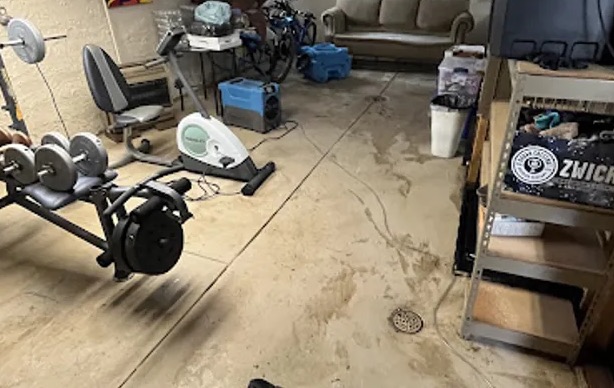
Multi-Family Water Damage Restoration Solutions in Keller, Texas
Water damage in a multi-family property in Keller can disrupt many residents and lead to costly structural issues if not addressed. Mold growth and compromised building materials are common secondary damages.
Undiscovered moisture between units often causes the biggest problems in multi-family buildings. In the area's humid subtropical climate with hot summers and spring hailstorms, indoor humidity also affects how fast the units dry after a leak.
The Multi-Family Water Damage Restoration Process for Keller
Multi-Unit Flood Drying
After a multi-unit flood, drying addresses moisture in walls and ceiling cavities. Local multi-family water damage pros use moisture meters to verify progress and prevent hidden dampness.
Apartment Water Extraction
Effective apartment water extraction requires powerful equipment for unit floors and shared hallways. It stops water migration affecting neighboring apartments.
Wet Drywall Removal
Wet drywall removal is necessary when water saturates wall cavities, leading to swelling and mold risk. Restoration pros remove compromised drywall to allow proper drying.
Condo Water Damage Cleanup
Condo water damage cleanup addresses flooding from plumbing or appliance leaks. The process involves water extraction, material removal, and thorough drying.
Emergency Water Removal
Emergency water removal offers a 24/7 response to flooding in apartments and condos. The immediate objective is to stop water flow and protect electrical systems.
When to Call for Multi-Family Water Damage Restoration in Keller
Rust on Pipes or Fixtures
Corrosion on plumbing under sinks or in utility closets often precedes leaks, calling for preventative action from the pros.
Sagging Ceiling Tiles or Panels
Ceiling materials that are drooping or bowing are heavy with water and risk collapse, needing early action.
Visible Mold Growth on Surfaces
Black, green or white spots on walls or baseboards mean moisture has stayed in a unit for days.
Musty Odors in Common Areas
Persistent damp smells in hallways or lobbies mean moisture is hidden somewhere in the building.
How Multi-Family Water Damage Restoration Works in Keller
Step 1: Assessment and Water Source Control
The pros first identify the leak source and extent of water damage in apartment buildings to create a targeted action plan.
Step 2: Commercial Water Extraction From All Levels
High-volume pumps and extractors are used for apartment water extraction from carpets, subfloors, and elevator shafts across multiple floors.
Step 3: Structural Drying and Moisture Monitoring
Specialized equipment dries the building's structure, with sensors ensuring walls and concrete slabs reach a dry standard, preventing mold.
Step 4: Final Verification and Air Quality Check
Before concluding, the pros verify all areas are dry before residents and tenants move back in.
Typical Water Damage Origins in Keller Buildings
Sprinkler System Accidental Discharge
A faulty or damaged fire sprinkler head can release hundreds of gallons.
Clogged Balcony or Patio Drains
Blocked drainage on exterior spaces causes water to pool and infiltrate sliding doors, leading to interior floor damage.
Fire Suppression Efforts
Water used to extinguish a fire in one unit can cause extensive collateral water damage to surrounding apartments and hallways.
Failed Bathtub or Shower Seals
Worn caulking and grout let water into walls and subfloors in bathrooms and kitchens.
Multi-Family Water Damage Restoration for Apartments and Condos in Keller
Residential Multi-Family Water Damage Restoration
For condo associations, the pros address humidity and leaks in shared walls and mechanical chases. Their services include condo water removal and targeted drying to protect the building's structure.
Commercial Multi-Family Water Damage Restoration
In large apartment portfolios owned by investment firms, the pros provide systematic multi-family property drying. They use the same drying and documentation process in every building.
Multi-Family Water Damage Restoration vs. DIY: When to Call Local Pros
After the pros complete water removal, you can assist the final drying phase by keeping the climate control system running as advised. Follow any specific instructions they provide about accessing the work area.
Understanding Multi-Family Water Damage Restoration Expenses in Keller
In Keller, the cost for emergency water removal services is determined by the time of day and the volume of water needing extraction.
Carpet Restoration Scope
Carpet water damage restoration can range from simple drying to complete removal and replacement, depending on pad saturation and contamination levels.
Mold Prevention Needs
If moisture has lingered, apartment mold prevention steps like applying antimicrobial agents add to the scope and cost beyond basic water extraction.
Required Drying Duration
The number of days needed for thorough multi-unit flood drying with industrial equipment directly impacts labor, monitoring, and equipment rental expenses.
Does Insurance Cover Multi-Family Water Damage Restoration?
For water damage in apartment buildings, insurance coverage can vary for owners, property managers, or tenants. The insurer makes the final coverage determination based on the policy's terms.
Why Choose Local Pros for Multi-Family Water Damage Restoration in Keller
Carpet Restoration Expertise
Pros assess whether carpet water damage restoration is possible or if replacement is needed, based on pad saturation and contamination levels.
Coordinated Property Management
The pros can coordinate with property managers to schedule access and minimize disruption during multi-family property drying projects.
Structural Drying Knowledge
Understanding multi-family building construction allows for strategic drying plan placement to address hidden moisture and protect structural integrity.
Emergency Water Damage Help in Keller
Don't let a water emergency in a multi-family property escalate. Secure emergency apartment water damage cleanup and extraction services by calling the local pros at (972) 736-7408 for help.
Call Now (972) 736-7408Multi-Family Water Damage Restoration Near Keller: Areas Served
Throughout Keller, local pros handle leaks and floods in apartment buildings, and they also serve nearby communities including Roanoke, Watauga and Trophy Club.
- Multi-Family Water Damage Restoration in Roanoke
- Multi-Family Water Damage Restoration in Watauga
- Multi-Family Water Damage Restoration in Trophy Club
- Multi-Family Water Damage Restoration in Colleyville
- Multi-Family Water Damage Restoration in Southlake
- Multi-Family Water Damage Restoration in North Richland Hills
- Multi-Family Water Damage Restoration in Saginaw
- Multi-Family Water Damage Restoration in Hurst
- Emergency Damage Restoration in 76244
- Storm Damage Restoration in 76244
- Water Damage Restoration in 76244
- Water Extraction Service in 76244
- Water Leak Detection in 76244
- Water Removal Service in 76244
- Emergency Damage Restoration in 76248
- Storm Damage Restoration in 76248
Multi-Family Water Damage Restoration Common Questions Answered
Why is apartment mold prevention part of water restoration?
Mold can begin growing within 24-48 hours in damp materials. Rapid drying and applying EPA-registered antimicrobial agents during restoration inhibit mold.
What is the process for wet drywall removal in a condo?
After moisture readings show how high the water went, wet drywall is cut out so the wall cavity can dry and mold does not start inside it.
Does multi-unit flood drying require special equipment?
Yes, commercial-grade dehumidifiers, high-capacity air movers, and specialized moisture detection tools are used to effectively dry shared walls, floors, and cavities across multiple units.
What is included in multi-family property water damage assessment?
Pros assess the water source, category, extent of affected areas across units, material saturation levels, and create a scope for necessary extraction, drying, and repairs.
What steps prevent cross-contamination during water removal in a multi-unit property?
Using containment barriers and negative air machines helps isolate the work area, controlling dust and moisture migration between units during the restoration project.