Sansom Park, TX · Tarrant County
Industrial Dehumidification in Sansom Park, TXIndustrial Flood Damage Restoration & Warehouse Moisture Control
Industrial Dehumidification in Sansom Park handles disaster recovery drying, industrial humidity reduction systems and emergency water removal.
Answered 24/7
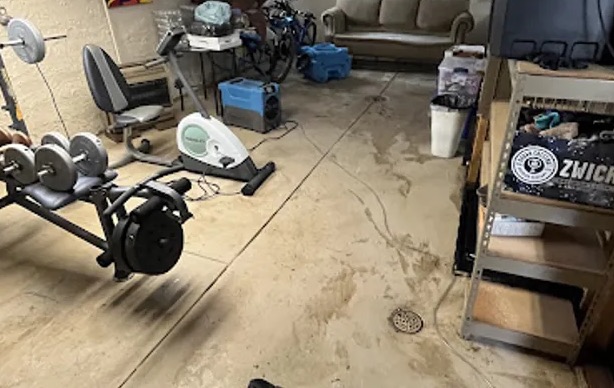
Industrial Drying Services for Sansom Park Properties
In Sansom Park, water trapped in the walls, floors and ceilings of commercial buildings causes mold, rot and decay if it is not dried properly.
When flooding hits an industrial building in Sansom Park, drying needs to start quickly. Local large loss drying pros also work in nearby Saginaw, White Settlement and Haltom City and keep records of the water removal and drying.
Industrial Dehumidification Solutions for Sansom Park
Industrial Flood Damage Restoration
Major industrial flooding demands comprehensive restoration. Pros start by extracting water and then dry the structure. They focus on preventing corrosion to metal assets and electrical systems.
Warehouse Moisture Control
Warehouse humidity often climbs with the seasons and after leaks. Industrial dehumidifiers bring it back down, and placing them well protects stock and packaging.
Mold Remediation Services
Mold remediation begins with controlling the humidity that fuels it. Local pros in Sansom Park utilize industrial dehumidification to dry wall cavities and flooring.
Emergency Water Removal
After a flood, standing water has to come out first. Pumps and extractors remove it so drying can begin.
Industrial Humidity Reduction Systems
Some buildings stay humid long after a leak. Dehumidifiers can be left running to hold humidity at a set level until the building is stable.
When to Call for Industrial Dehumidification in Sansom Park
Recent Flood or Spill
A burst pipe or overflow that soaks a commercial space needs cleanup and drying right away.
Stained Ceilings or Walls
Yellow or brown water stains show where past leaks happened and where moisture may still be.
Damp Insulation or Drywall
Wet materials behind walls or above ceilings stay wet for weeks without forced drying and can rot.
Peeling Adhesives or Labels
Boxes losing their shape and labels peeling off mean the storage area is holding too much moisture.
How Industrial Dehumidification Works in Sansom Park
Step 1: Site Assessment and Inspection
An inspection finds the water sources, the wet materials and how much cleanup is needed.
Step 2: Containment and Water Removal
Containment is set up if needed, then industrial extractors remove the bulk water.
Step 3: Deploy Drying Equipment
Desiccant and refrigerant dehumidifiers and air movers are placed to dry the building.
Step 4: Continuous Monitoring and Adjustment
Equipment runs around the clock, and humidity is checked so the setup can be adjusted as areas dry.
Sources of Moisture in Industrial and Commercial Buildings
Burst Pipes or Plumbing Leaks
Failed supply lines, faulty fittings, or cracked pipes can release thousands of gallons.
Fire Suppression System Activation
A sprinkler discharge can leave a large amount of water to extract and dry.
Groundwater Intrusion and Saturation
Poor drainage around the building can let water seep up through the floor.
HVAC System Condensation Issues
Cooling systems that are poorly maintained or oversized can produce a lot of condensation and raise humidity.
Residential and Commercial Industrial Dehumidification in Sansom Park
Residential Industrial Dehumidification
In homes, water from a burst pipe spreads inside walls and under floors. Local large loss drying pros find the wet areas with meters and dry them to save the structure and finishes.
Commercial Industrial Dehumidification
Manufacturing plants and warehouses need large-scale drying after a major water incident. Drying brings the space back to the humidity levels production requires.
Industrial Dehumidification vs. DIY: When to Call the Pros
Throwing out ruined cardboard or soaked insulation is something a property manager can do. Building materials that may have mold should be removed by pros using containment.
Factors Affecting Industrial Dehumidification Cost in Sansom Park
The cost of temporary dehumidification depends on the size of the building, the humidity target and whether concrete needs special drying.
Access Complexity
Hard-to-reach areas in a warehouse or plant take longer to set up equipment in.
Drying Time Required
How long the dehumidifiers must run to reach dry readings is a main cost component.
Affected Square Footage
The size of the area to be dehumidified sets how much equipment and labor are needed.
Does Insurance Cover Industrial Dehumidification?
Structural drying services after a leak are often covered if the cause is a sudden, accidental peril named in the policy, such as a burst pipe. Homeowners should always verify deductibles, limits, and specific requirements directly with their insurance company before work proceeds.
Why Sansom Park Properties Need Local Pros for Industrial Dehumidification
Detailed Moisture Documentation
Meters and sensors track humidity and moisture, so you can see drying progress day by day.
Disaster Recovery Focus
Drying, cleaning and records are coordinated so the business can reopen sooner.
IICRC-Standard Drying Methods
The pros follow industry drying standards so moisture is fully removed from the structure.
Emergency Flood Response in Sansom Park
Removing water early prevents more damage to the structure and lowers the mold risk. Call (972) 736-7408 any time, day or night, for help in Sansom Park.
Call Now (972) 736-7408Local Industrial Dehumidification Areas: Sansom Park and Beyond
Each place listed below has its own page with local details.
- Industrial Dehumidification in Saginaw
- Industrial Dehumidification in White Settlement
- Industrial Dehumidification in Haltom City
- Industrial Dehumidification in Watauga
- Industrial Dehumidification in Benbrook
- Industrial Dehumidification in Aubrey
- Industrial Dehumidification in Krum
- Industrial Dehumidification in Fairview
Industrial Dehumidification FAQs
Why choose professional Industrial Dehumidification over in-house fans?
Industrial dehumidifiers and moisture meters dry the structure fully, reaching hidden moisture that fans alone leave behind.
What areas need drying after a warehouse flood?
All wet areas: floors, walls, stored contents and often the subfloor and insulation as well.
Why is water extraction so important?
Removing water quickly keeps it from soaking deeper, shortens drying and lowers the risk of mold and warping.
What does water damage cleanup involve?
Water extraction, moisture mapping of the building, placement of industrial dehumidifiers and air movers, daily monitoring and a final dryness check.
What are humidity reduction systems?
Dehumidifiers that stay in place to hold humidity at a set level in sensitive spaces like data centers, archives or plants after water damage.