Princeton, TX · Collin County
Industrial Dehumidification in Princeton, TXCommercial Water Damage Cleanup & Industrial Humidity Reduction Systems
Industrial Dehumidification in Princeton includes emergency water removal, commercial water damage cleanup and industrial flood damage restoration.
Answered 24/7
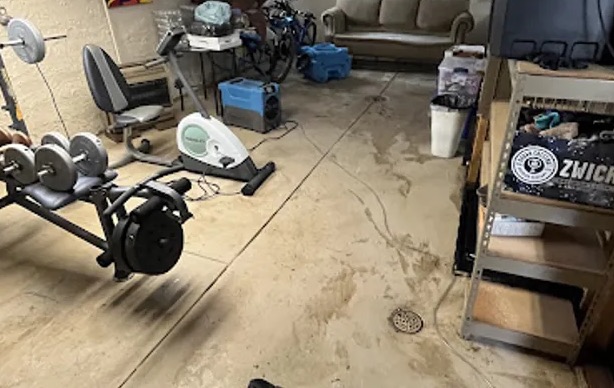
Industrial Drying Services for Princeton Properties
In Princeton, the sooner water is removed and humidity brought down, the less there is to restore. Standing water and damp air keep damaging materials every day they stay.
Industrial dehumidification is a priority for large facilities in Princeton and nearby areas like McKinney, Fairview and Lucas. Whether dealing with a burst pipe or ongoing humidity issues, local water damage pros apply commercial dehumidification techniques.
Professional Industrial Dehumidification in Princeton
Commercial Water Damage Cleanup
Specialized drying equipment is needed for retail or office water damage. The pros deploy industrial-grade dehumidifiers to extract moisture from air and materials in Princeton.
Industrial Humidity Reduction Systems
A building may need a dedicated system for ongoing humidity. Industrial dehumidification units integrate into HVAC or operate independently.
Structural Drying Services
When water soaks into a building's framework, surface drying is insufficient. Commercial drying experts set up a controlled environment with industrial dehumidifiers.
Emergency Water Removal
After a flood, standing water has to come out first. Pumps and extractors remove it so drying can begin.
Mold Remediation Services
Persistent moisture often leads to mold growth. The pros first dry the structure thoroughly. Affected surfaces are then cleaned.
Indicators for Industrial Dehumidification Services in Princeton
Musty Odors and Smells
A persistent earthy smell often points to hidden moisture in walls, ceilings or stored goods.
Recent Flood or Spill
A burst pipe or overflow that soaks a commercial space needs cleanup and drying right away.
Damp Insulation or Drywall
Wet materials behind walls or above ceilings stay wet for weeks without forced drying and can rot.
Elevated Humidity Levels
Sticky air and condensation on windows or metal surfaces mean humidity in the building is too high.
How Industrial Dehumidification Works in Princeton
Step 1: Site Assessment and Inspection
An inspection finds the water sources, the wet materials and how much cleanup is needed.
Step 2: Containment and Water Removal
Containment is set up if needed, then industrial extractors remove the bulk water.
Step 3: Deploy Drying Equipment
Desiccant and refrigerant dehumidifiers and air movers are placed to dry the building.
Step 4: Continuous Monitoring and Adjustment
Equipment runs around the clock, and humidity is checked so the setup can be adjusted as areas dry.
Sources of Moisture in Industrial and Commercial Buildings
Burst Pipes or Plumbing Leaks
Failed supply lines, faulty fittings, or cracked pipes can release thousands of gallons.
Appliance Malfunctions and Overflows
Water heater failures or broken process lines can flood large areas suddenly.
Process Water or Chemical Spills
Industrial processes that use liquids carry a constant risk of accidental spills and releases.
Foundation Cracks and Seepage
Groundwater pushed up through cracks in slabs and walls keeps lower areas damp.
Residential and Commercial Industrial Dehumidification in Princeton
Residential Industrial Dehumidification
Storm-driven water needs fast action to save belongings and building materials. The pros extract the water 24/7 and document the damage for your claim.
Commercial Industrial Dehumidification
A flooded warehouse or production floor halts business. Fast water removal and commercial dehumidification shorten the time the space is out of use.
When to Hire Local Pros for Industrial Dehumidification in Princeton
A property owner can document the first damage with photos and written notes for the insurance provider before cleanup begins. Large-scale extraction and structural drying, though, take industrial pumps, dehumidifiers and trained pros.
Factors Affecting Industrial Dehumidification Cost in Princeton
The cost of temporary dehumidification depends on the size of the building, the humidity target and whether concrete needs special drying.
Mold Remediation Needs
If mold is found, containment, removal and air scrubbing are added to the job.
Access Complexity
Hard-to-reach areas in a warehouse or plant take longer to set up equipment in.
Drying Time Required
How long the dehumidifiers must run to reach dry readings is a main cost component.
Does Insurance Cover Industrial Dehumidification?
The pros create a thorough, factual record of the affected property and the required remediation steps, which the property owner can provide to their insurer.
The Value of Local Pros for Industrial Dehumidification in Princeton
Detailed Moisture Documentation
Meters and sensors track humidity and moisture, so you can see drying progress day by day.
Industrial-Grade Equipment
High-capacity dehumidifiers and air movers are sized for warehouses and other large spaces.
24/7 Emergency Response
Fast water extraction limits how far damage spreads in a large building.
Emergency Flood Response in Princeton
A burst pipe or equipment failure can flood a building and stop work. Call (972) 736-7408 for 24/7 help with industrial flood cleanup in Princeton.
Call Now (972) 736-7408Industrial Dehumidification Coverage in Princeton, McKinney, Fairview and Lucas
Large-scale drying and emergency water removal keep businesses running. Local pros serve Princeton and the vicinity, including communities like McKinney, Fairview and Lucas.
- Industrial Dehumidification in McKinney
- Industrial Dehumidification in Fairview
- Industrial Dehumidification in Lucas
- Industrial Dehumidification in Melissa
- Industrial Dehumidification in Allen
- Industrial Dehumidification in Wylie
- Industrial Dehumidification in Murphy
- Industrial Dehumidification in Anna
- Emergency Damage Restoration in 75407
- Storm Damage Restoration in 75407
- Water Damage Restoration in 75407
- Water Extraction Service in 75407
- Water Leak Detection in 75407
- Water Removal Service in 75407
Frequently Asked Questions About Industrial Dehumidification
What are humidity reduction systems?
Dehumidifiers that stay in place to hold humidity at a set level in sensitive spaces like data centers, archives or plants after water damage.
How long does industrial flood damage restoration take?
It depends on how much water there was, what got wet and the humidity. Large jobs often take several days to a few weeks.
What is structural drying?
It removes moisture soaked into building materials like concrete slabs and walls so they do not decay or grow mold.
How does commercial dehumidification differ from residential?
The focus extends beyond drying to include minimizing operational downtime and protecting sensitive inventory or machinery.
What areas need drying after a warehouse flood?
All wet areas: floors, walls, stored contents and often the subfloor and insulation as well.