Fairview, TX · Collin County
Hydrostatic Pressure Water Removal in Fairview, TXStructural Drying After Intrusion & Crawl Space Water Extraction
Hydrostatic Pressure Water Removal in Fairview covers groundwater intrusion mitigation, wet subfloor removal and crawl space water extraction.
Answered 24/7
Local Pros for Hydrostatic Pressure Water Removal in Fairview
Water that keeps coming up through a slab damages flooring and keeps the lower level damp. Removing it is the water side of the job, and a structural check is a separate step for a contractor.
Detailed Hydrostatic Pressure Water Removal Methods
Structural Drying After Intrusion
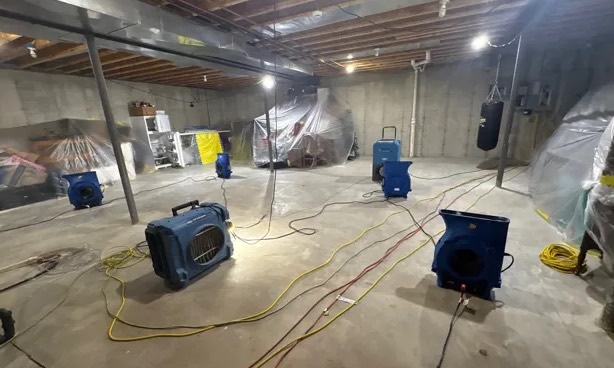
After water comes through a foundation or slab, drying follows industry standards, with air movers and dehumidifiers aimed at wall cavities and framing.
Crawl Space Water Extraction
A wet crawl space is a hidden problem that can lead to mold and wood rot.
Slab Leak Water Removal
For slab leaks in Fairview, structural drying professionals remove the water and dry the slab and flooring above it.
Slab Seepage Water Removal
When water seeps up through a slab in Fairview, flooring may need to be lifted so the concrete can dry. Pros explain what a foundation specialist should look at.
Wet Subfloor Removal
Subfloor that stayed soaked after a groundwater flood may have to be removed. The water is extracted, the damaged sections cut out and the area dried for new material.
Symptoms That Require Hydrostatic Pressure Water Removal
Spongy or Soft Spots on Floors
Damp spots or lifting flooring on a slab can mean water is coming up from below.
Gurgling Sounds From Floor Drains
Gurgling floor drains during heavy rain can mean water pressure is building in the drain lines around the house.
Water Seeping From Foundation Walls
Water seeping at the base of foundation walls means groundwater is being pushed in by pressure from the soil.
Efflorescence on Concrete Surfaces
White, chalky deposits on foundation walls or the slab show water has been pushing through the concrete.
How Hydrostatic Pressure Water Removal Works in Fairview
Step 1: Initial Pressure Evaluation
The pros look at where the water came in and how wet the soil-side walls and floor are.
Step 2: Sub-Slab Water Removal
Using specialized extraction tools, pros remove water trapped beneath concrete slabs and flooring.
Step 3: Targeted Structural Drying
Drying equipment is aimed at framing, joists and sill plates so the structure dries all the way through.
Step 4: Documentation for Insurance
Moisture readings, photos and notes on the work are put together for your insurance claim.
Common Causes of Water Damage in Fairview
Heavy or Prolonged Rainfall
Long periods of rain soak the soil, and the water presses against the foundation until it finds a way in.
Foundation Settlement and Cracks
As a foundation settles, cracks form and give groundwater a direct path inside.
Soil Expansion and Contraction
Clay soil swells when wet, adding pressure on foundation walls and opening paths for water.
Plumbing Leaks Under the Slab
A broken water line under the slab keeps feeding water up through the floor.
Hydrostatic Pressure Water Removal for All Property Types
Residential Hydrostatic Pressure Water Removal
Hydrostatic pressure damage threatens a home's structure and indoor air. In homes throughout Fairview, local water removal pros remove wet subfloor, dry the structure and repair foundation crack leaks to prevent costly long-term damage.
Commercial Hydrostatic Pressure Water Removal
In businesses, groundwater in a lower level can damage stock and equipment. The professionals remove the water and dry the space to keep downtime short.
Hydrostatic Pressure Water Removal: Why DIY Falls Short
Checking known foundation cracks for changes in width or new moisture is a reasonable DIY task. If water starts flowing through any crack, stop monitoring and call for water removal and repair right away.
Factors Affecting Hydrostatic Pressure Water Removal Pricing in Fairview
The cost of hydrostatic pressure water removal in Fairview depends on how much of the lower level flooded and how much water came in.
Intrusion Severity
How deep the water is and how much keeps coming in decide how long extraction takes.
Affected Area Size
Larger flooded areas or large wet subfloors need more equipment and more days of drying.
Water Source Type
A slow slab seep and a sudden flood through a wall crack need different approaches and equipment.
Does Insurance Cover Hydrostatic Pressure Water Removal?
For water coming up through a slab, coverage often depends on whether the leak was sudden or slow. The professionals record the source and the wet areas, and your insurer decides.
Why Choose Local Pros for Hydrostatic Pressure Water Removal in Fairview
Focused Mitigation Planning
You get notes on where water came in, so you can plan drainage work with a contractor.
Controlled Demolition Protocols
Only subfloor and materials that cannot be dried are removed, which keeps the repair smaller.
Comprehensive Moisture Mapping
Moisture meters find water in subfloors and walls so every wet area gets dried.
Emergency Hydrostatic Pressure Water Removal in Fairview
Emergency groundwater intrusion cleanup is available around the clock for properties in Fairview, by calling (972) 736-7408. The professionals pump out crawl spaces and start drying.
Call Now (972) 736-7408Hydrostatic Pressure Water Removal in Fairview and Other Areas Served
Other places served are listed below, each with its own page.
- Hydrostatic Pressure Water Removal in McKinney
- Hydrostatic Pressure Water Removal in Allen
- Hydrostatic Pressure Water Removal in Lucas
- Hydrostatic Pressure Water Removal in Princeton
- Hydrostatic Pressure Water Removal in Melissa
- Hydrostatic Pressure Water Removal in Rowlett
- Hydrostatic Pressure Water Removal in Aubrey
- Hydrostatic Pressure Water Removal in DeSoto
Hydrostatic Pressure Water Removal FAQs
Can crawl space water extraction prevent mold?
Removing the water quickly and drying the crawl space fully takes away the moisture mold needs, which keeps it from starting.
How long does drying take after groundwater comes in?
Most jobs take several days of drying. Waterproofing repairs, if needed, are a separate job for a waterproofing contractor.
What causes foundation crack water infiltration?
Usually water pressure from soaked soil, or settlement cracks that give groundwater a path into the building.
What does groundwater intrusion mitigation involve?
Removing the water, drying the structure and then, often, drainage or waterproofing work outside by a contractor.
Will drying stop water from coming back?
No. Drying fixes the damage that is already there. Keeping water out takes drainage, grading or waterproofing work by a contractor.