Lancaster, TX · Dallas County
HVAC Leak Water Removal in Lancaster, TXHVAC Cabinet Water Extraction & Emergency HVAC Leak Cleanup
HVAC Leak Water Removal in Lancaster handles coil leak water damage repair, HVAC drain line flood cleanup and moisture remediation for HVAC systems.
Answered 24/7
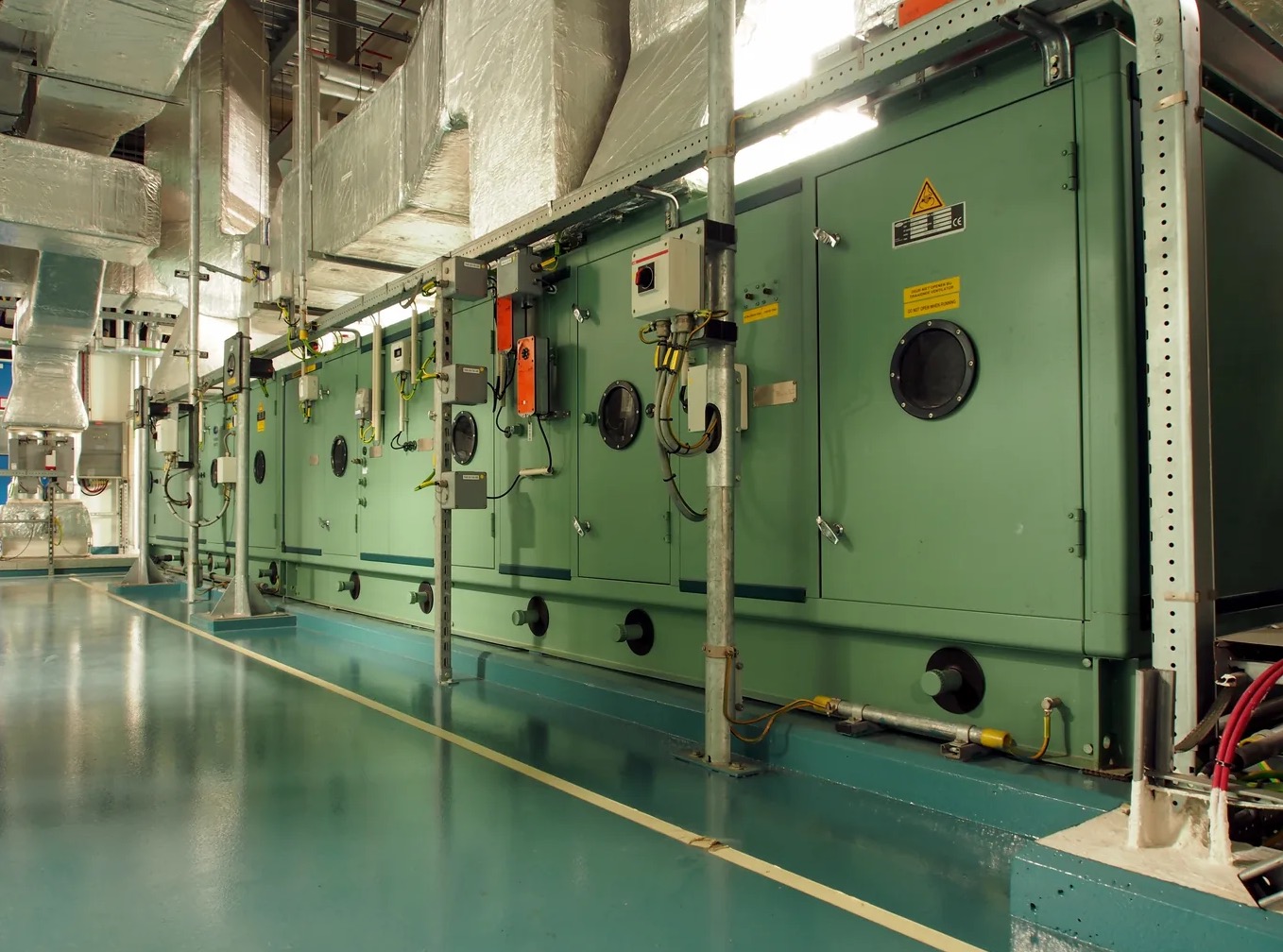
Professional HVAC Leak Water Removal in Lancaster, TX
Water from a failed drain line or condensate pump in Lancaster travels further than it looks. It follows framing and ducts into wall cavities and the rooms next to the unit.
When an HVAC leak occurs in Lancaster, water needs to come out quickly to protect interior finishes and electrical systems. Local water removal pros serve this community and nearby areas like DeSoto, Red Oak and Glenn Heights, extracting water around the unit and drying wet ductwork before damage spreads.
HVAC Leak Water Removal Service Details in Lancaster
HVAC Cabinet Water Extraction
Water inside an HVAC cabinet sits right next to wiring and the blower. Power is shut off first, then the water is pulled out with small wet vacuums made for tight spaces.
Emergency HVAC Leak Cleanup
An overflowing secondary pan or a broken drain line needs cleanup right away. The pros mobilize to extract water and assess electrical safety.
Ductwork Condensation Water Removal
Cold air inside ducts meeting warm, humid air causes sweating and droplets. Condensation soaks insulation and damages ceiling materials.
Coil Leak Water Damage Repair
A pinhole coil leak causes slow, persistent water damage, warping flooring over time. Repair involves water extraction, drying, and addressing damaged subfloor.
AC Condensate Leak Water Removal
A failing condensate pump or disconnected line can flood a mechanical closet. This requires urgent HVAC leak water removal.
Warning Signs You Need HVAC Leak Water Removal
Visible Rust on Metal Components
Rust forming on the evaporator coil cabinet, drain pan, or supports indicates prolonged moisture exposure.
Unusual Sounds From the AC Unit
Gurgling, dripping, or hissing noises from the indoor unit frequently accompany a condensate drainage failure.
Musty Odors Near Air Vents
A musty smell when the system runs can point to wet insulation or mold inside the unit or ducts.
Water Puddles Under HVAC Unit
Standing water or persistent dampness around the air handler or furnace cabinet often signals an active HVAC leak.
How HVAC Leak Water Removal Works in Lancaster
Step 1: Source Identification and Stop
The first step is finding out whether the water came from a drain clog, a coil leak or sweating ducts, then stopping the flow.
Step 2: AC Unit Water Damage Mitigation
Water is extracted from the drain pan, the cabinet and any flooded parts of the unit.
Step 3: Coil Leak Water Damage Repair
If the coil itself is leaking, an HVAC contractor handles the repair, and the pros dry the water it released.
Step 4: Documentation and Monitoring
Photos and moisture logs are kept throughout the job for your records and your insurance claim.
What Causes HVAC Leaks Needing Water Removal in Lancaster
Improper HVAC System Slope
An air handler or drain line installed without correct pitch prevents gravity-driven water flow to the drain.
Cracked or Disconnected Drain Pan
A damaged or misaligned secondary drain pan beneath the evaporator coil fails to catch condensation overflow.
Worn Gaskets or Seal Failures
Worn seals around access panels or coil sections let water escape the cabinet instead of reaching the pan.
High Static Pressure in Ducts
An oversized system or closed vents can upset airflow and drainage, so condensate does not drain as it should.
Commercial and Residential HVAC Leak Water Removal in Lancaster
Residential HVAC Leak Water Removal
In homes, an AC condensate leak can rot subfloor and baseboards if it is left. The pros dry the tight spaces around the unit and record the damage for insurance.
Commercial HVAC Leak Water Removal
A flooded HVAC unit in a commercial building needs a coordinated response. The pros manage large-volume extraction, coordinate with facility managers, and implement drying protocols.
HVAC Leak Water Removal: DIY Risks and Pro Solutions in Lancaster
A hygrometer can show if indoor humidity is too high, and keeping supply vents open helps airflow. If you see mold inside ducts or smell something musty, DIY cleaning will not reach it. Call (972) 736-7408 for drying help.
Cost Insights for HVAC Leak Water Removal in Lancaster
The cost of HVAC leak cleanup depends on how easy the unit and ducts are to reach. The amount of wet insulation that has to come out is one of the biggest factors.
Water Contamination Category
Clean condensate is simpler to handle than dirty overflow from a drain line, which needs extra cleaning.
Extent of Water Spread
Water from a leaking AC can travel along ducts and inside walls, which makes the drying area larger.
Affected Components and Materials
Wet insulation, damaged ductwork or wiring near the flooded unit each add work to the job.
Does Insurance Cover HVAC Leak Water Removal?
Policies often cover damage from a sudden leak but not wear and tear or a drain that was never cleaned. Photos and drying records help your adjuster review the claim.
Benefits of Local Water Damage Pros for HVAC Leak Water Removal in Lancaster
IICRC-Standard Drying Methods
Drying follows industry standards so the unit area, ducts and walls are dry before the system runs again.
24/7 Emergency Response
Getting to a leaking AC early limits how far water spreads and how much it rusts parts in the unit.
Containment and Air Filtration
The work area can be closed off so dust and moist air do not spread while wet materials are removed.
Emergency HVAC Leak Water Removal for Lancaster Properties
Don't let a flooded HVAC unit compromise your home's air quality or safety. For urgent HVAC system water cleanup, reach the experts at (972) 736-7408.
Call Now (972) 736-7408HVAC Leak Water Removal Coverage for Lancaster, DeSoto, Red Oak and Glenn Heights
Wet ductwork and HVAC leak water are dried in Lancaster and in nearby DeSoto, Red Oak and Glenn Heights, for homes and businesses.
- HVAC Leak Water Removal in DeSoto
- HVAC Leak Water Removal in Red Oak
- HVAC Leak Water Removal in Glenn Heights
- HVAC Leak Water Removal in Duncanville
- HVAC Leak Water Removal in Balch Springs
- HVAC Leak Water Removal in Seagoville
- HVAC Leak Water Removal in Mesquite
- HVAC Leak Water Removal in Grand Prairie
- Emergency Damage Restoration in 75134
- Storm Damage Restoration in 75134
- Water Damage Restoration in 75134
- Water Extraction Service in 75134
- Water Leak Detection in 75134
- Water Removal Service in 75134
- Emergency Damage Restoration in 75146
- Storm Damage Restoration in 75146
Frequently Asked Questions About HVAC Leak Water Removal
What is HVAC cabinet water extraction?
It means removing water that has pooled inside the metal cabinet around the furnace or air handler, which protects the blower motor and controls.
After HVAC system water cleanup, what repairs are needed?
Beyond drying, repairs might include unclogging or replacing a drain line, replacing wet insulation, and servicing the HVAC unit.
What's the difference between water extraction and drying?
Extraction removes the liquid water. Drying uses dehumidifiers and air movers to pull out the moisture left in insulation, drywall and wood.
What is moisture remediation for HVAC systems?
It means removing excess moisture, drying all components and bringing humidity back to normal levels around the system.
Why is quick action critical for a flooded HVAC unit?
Water can damage the unit's wiring, rust metal parts and soak into walls and floors, which makes repairs larger and more expensive.