Don’t Let Summer Storms Flood Your Home: Understanding HVAC Leak Water Removal in Krum, TX
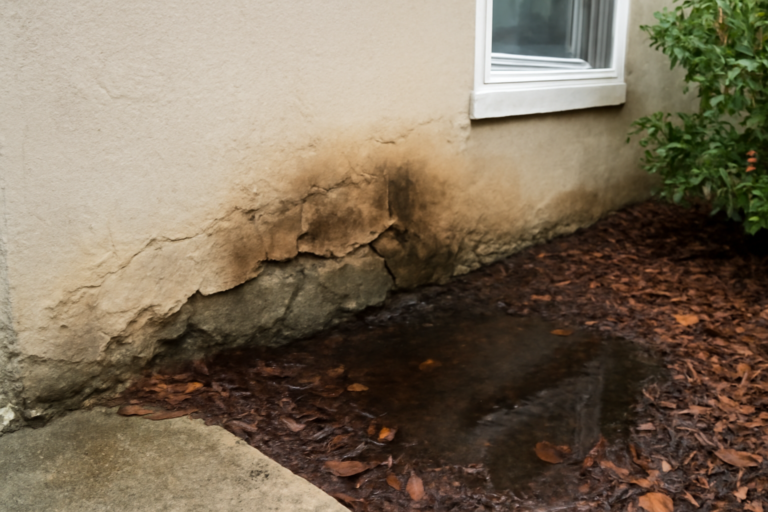
Summer storms can bring heavy rain and strong winds that put your home at risk for HVAC leak water damage. In Krum, TX, where summer storms can roll in quickly, it’s essential to know the signs of a potential leak and how to prevent it. Our team has seen firsthand the devastating effects of water damage on homes, and we’re here to help you avoid the headache. Act quickly to prevent costly repairs and trust our experts to handle the cleanup.
With over 165 five-star reviews, you can trust our team to provide top-notch service for your HVAC leak water removal needs. Our customers choose us for our fast response times thorough cleaning process and commitment to customer satisfaction. We’ll work with you to get your home back to normal in no time.
- Fast response times to prevent further damage
- Thorough cleaning and drying process to prevent mold growth
- Expert technicians with IICRC certification
How Our Team Handles HVAC Leak Water Removal
Our team takes a step-by-step approach to ensure your home is safe and dry. We’ll start by assessing the damage and creating a personalized plan to get your home back to normal. Here’s what you can expect:
Step 1: Assessment and Planning
We’ll begin by assessing the damage and creating a customized plan to address the issue. This includes identifying the source of the leak and determining the best course of action to prevent future occurrences. Our team will work with you to create a plan that fits your needs and budget.
Step 2: Water Extraction and Removal
Next, we’ll use state-of-the-art equipment to extract the water from your home. Our team will work efficiently to reduce downtime and get your home back to normal as quickly as possible. We’ll use truck-mounted extractors to remove standing water and specialized equipment to dry out affected areas.
Step 3: Drying and Dehumidification
After the water has been removed, our team will focus on drying and dehumidifying the affected areas. This includes using industrial-grade fans and dehumidifiers to remove excess moisture and prevent mold growth. We’ll work with you to ensure your home is safe and dry before we leave.
Step 4: Cleaning and Sanitizing
Finally, our team will clean and sanitize the affected areas to prevent future mold growth and bacterial contamination. This includes using eco-friendly cleaning products and equipment to ensure your home is safe and healthy. We’ll work with you to ensure your home is restored to its original condition.
Don’t wait until it’s too late, call us today to schedule your HVAC leak water removal service. Our team is here to help you every step of the way.

Warning Signs You Need HVAC Leak Water Removal
Don’t ignore the signs of a potential leak, catching it early can save you money and prevent bigger problems. Here are some common warning signs to look out for:
Musty Odors That Won’t Go Away
Strong, unpleasant odors can show a hidden leak or moisture issue. Don’t ignore these smells, they can be a sign of a bigger problem.
Water Stains on Ceilings or Walls
Water stains can be a sign of a leak or moisture issue. Don’t wait until it’s too late, address the issue before it becomes a bigger problem.
Unusual Sounds or Leaks
Unusual sounds or leaks can show a problem with your HVAC system. Don’t ignore these signs, they can save you money and prevent bigger problems.
Warped or Buckled Flooring
Warped or buckled flooring can show a hidden leak or moisture issue. Don’t wait until it’s too late, address the issue before it becomes a bigger problem.
High Humidity Levels
High humidity levels can show a moisture issue. Don’t ignore these signs, they can save you money and prevent bigger problems.
HVAC Leak Water Removal vs. DIY: When To Call a Professional
| Situation | DIY? | Call a Pro? | Why |
|---|---|---|---|
| Small leak in a single room | Yes | No | DIY can be effective for small leaks, but be sure to follow safety guidelines and take necessary precautions. |
| Large leak or widespread damage | No | Yes | A large leak or widespread damage needs professional equipment and expertise to safely and effectively handle. |
| Hidden leak or moisture issue | No | Yes | A hidden leak or moisture issue needs specialized equipment and expertise to detect and address. |
| Emergency situation or flood | No | Yes | An emergency situation or flood needs immediate attention and professional expertise to safely and effectively handle. |
Don’t wait until it’s too late, call us today to schedule your HVAC leak water removal service. Our team is here to help you every step of the way.
HVAC Leak Water Removal Cost in Krum, TX
The cost of HVAC leak water removal in Krum, TX can vary depending on the severity of the damage, size of the affected area, and local conditions. Here are some estimated price ranges for common services:
| Service | Typical Price Range | What Affects Cost |
|---|---|---|
| Water extraction and removal | $500 – $2,500 | Size of affected area, severity of damage, and equipment needed |
| Drying and dehumidification | $200 – $1,000 | Size of affected area, severity of damage, and equipment needed |
| Cleaning and sanitizing | $100 – $500 | Size of affected area, severity of damage, and equipment needed |
| Assessment and planning | $0 – $100 | Severity of damage and complexity of issue |
Exact pricing will depend on an on-site assessment, and we offer free estimates to all customers. Don’t wait until it’s too late, call us today to schedule your HVAC leak water removal service.
Service Areas Near Krum, TX
We serve the following communities: Denton, Lewisville, Flower Mound, Highland Village, Coppell, Colleyville, Grapevine, Southlake, Keller, Roanoke, Trophy Club, Westlake, and more.
Common Questions About HVAC Leak Water Removal
Q: What causes HVAC leak water damage?
A: HVAC leak water damage is often caused by a combination of factors, including high humidity, condensation, and poor maintenance. Regular maintenance can help prevent these issues.
Q: How long does HVAC leak water removal take?
A: The length of time required for HVAC leak water removal depends on the severity of the damage and the size of the affected area. Our team will work with you to create a personalized plan to get your home back to normal as quickly as possible.
Q: Is HVAC leak water removal covered by insurance?
A: In some cases, HVAC leak water removal may be covered by insurance. Be sure to check your policy and contact your insurance provider to find out coverage.
Q: How can I prevent HVAC leak water damage?
A: Regular maintenance, including checking and replacing filters, inspecting condensate lines, and ensuring proper ventilation, can help prevent HVAC leak water damage. Our team can help you create a maintenance schedule to keep your home safe and healthy.
Q: What equipment do you use for HVAC leak water removal?
A: We use state-of-the-art equipment, including truck-mounted extractors and industrial-grade fans and dehumidifiers, to safely and effectively handle HVAC leak water removal. Our team is trained to use this equipment to get your home back to normal quickly and safely.