Irving, TX · Dallas County
HVAC Leak Water Removal in Irving, TXCoil Leak Water Damage Repair & Ductwork Condensation Water Removal
HVAC Leak Water Removal in Irving covers AC condensate leak water removal, HVAC cabinet water extraction, and emergency HVAC leak cleanup.
Answered 24/7
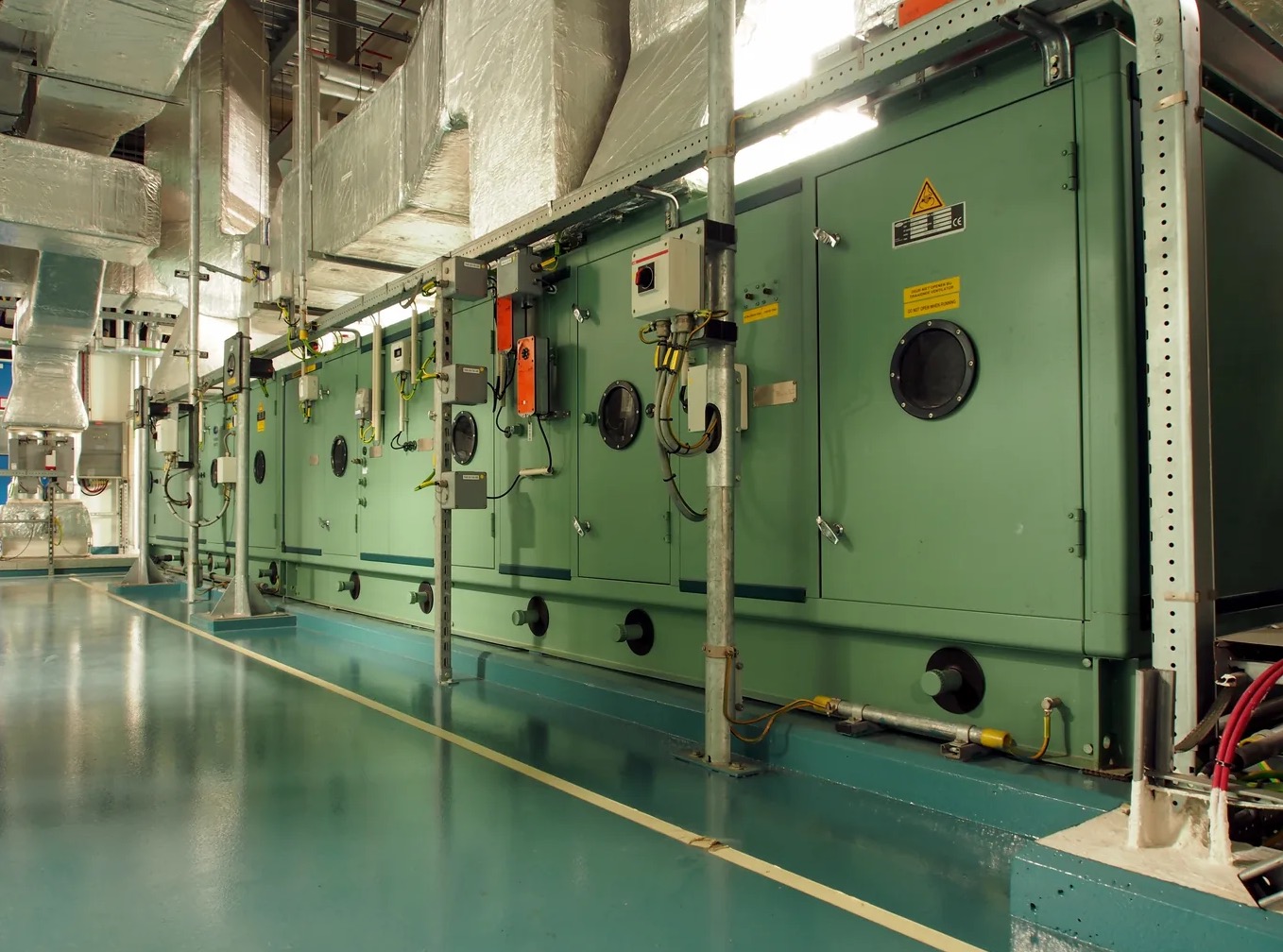
Expert HVAC Leak Water Removal in Irving TX
In Irving, water inside ductwork after an HVAC leak needs attention. Damp ducts can blow musty air into every room, and lined ducts may hold water for a long time.
When an HVAC leak occurs in Irving, water needs to come out quickly to protect interior finishes and electrical systems. Local water removal pros serve this community and nearby areas like Grand Prairie, Farmers Branch and Euless, extracting water around the unit and drying wet ductwork before damage spreads.
Complete HVAC Leak Water Removal Services for Irving
Coil Leak Water Damage Repair
Coil leak water damaging drywall or cabinetry needs repairs after drying. Restoration pros coordinate drying to prepare for reconstruction.
Ductwork Condensation Water Removal
Cold air inside ducts meeting warm, humid air causes sweating and droplets. Condensation soaks insulation and damages ceiling materials.
AC Condensate Leak Water Removal
A clogged AC condensate line leaks water around the indoor unit. The pros extract the pool to protect flooring and the system.
Wet Insulation Removal Near HVAC
Saturated insulation near the HVAC unit loses R-value and can foster mold. Removal is often necessary for a proper dry-out.
HVAC Drain Line Flood Cleanup
A backed-up HVAC drain line can flood a closet or utility area in Irving. The water is extracted and drying starts on the floor and lower walls.
When to Consider HVAC Leak Water Removal in Irving
Condensation Dripping From Ducts
Water droplets or streaks on metal ductwork mean the ducts are sweating, and the water is landing somewhere below.
High Indoor Humidity Levels
A home feeling persistently muggy can mean the HVAC system is not properly removing airborne moisture.
Mold on Air Handler
Visible mold on the unit, the ducts or nearby drywall usually means water has been there for a while.
Water Puddles Under HVAC Unit
Standing water or persistent dampness around the air handler or furnace cabinet often signals an active HVAC leak.
How HVAC Leak Water Removal Works in Irving
Step 1: Emergency Assessment and Water Extraction
The pros stop the water at the unit and extract the standing water from the cabinet, the closet floor and any wet carpet.
Step 2: System Inspection and Moisture Mapping
Moisture meters and thermal cameras show where water went, including wet insulation and duct sections, and the drying plan is built from that.
Step 3: Targeted Drying and Dehumidification
Air movers and dehumidifiers are placed to dry the walls, ceiling, floor and duct runs that got wet.
Step 4: Cleaning and Final Verification
Affected surfaces and HVAC components are cleaned. Final moisture readings confirm the area is dry.
Common Causes of HVAC Water Damage in Irving
Refrigerant Leak at the Coil
A pinhole leak in the evaporator coil itself can allow refrigerant and moisture to escape simultaneously.
Excessive Ductwork Condensation
Poorly insulated ducts in humid spaces sweat and drip water into walls, ceilings and insulation.
High Static Pressure in Ducts
An oversized system or closed vents can upset airflow and drainage, so condensate does not drain as it should.
Cracked or Disconnected Drain Pan
A damaged or misaligned secondary drain pan beneath the evaporator coil fails to catch condensation overflow.
HVAC Leak Water Removal for All Properties in Irving
Residential HVAC Leak Water Removal
In homes, water from a utility closet can reach hardwood floors, cabinets and stored items. The pros dry those materials and wet duct sections near the unit.
Commercial HVAC Leak Water Removal
In commercial buildings, mechanical rooms and the spaces under them are checked for water and dried, with readings recorded for the building manager.
HVAC Leak Water Removal vs. DIY: When to Call Local Pros
A hygrometer can show if indoor humidity is too high, and keeping supply vents open helps airflow. If you see mold inside ducts or smell something musty, DIY cleaning will not reach it. Call (972) 736-7408 for drying help.
Factors in HVAC Leak Water Removal Cost for Irving
Calls at night or on weekends can change the rate for HVAC leak water removal. Dirty water from a drain line also adds cleaning steps to the job.
Drying Time and Equipment
The number of days ducts and materials take to dry decides how long the dehumidifiers run.
Affected Components and Materials
Wet insulation, damaged ductwork or wiring near the flooded unit each add work to the job.
Water Contamination Category
Clean condensate is simpler to handle than dirty overflow from a drain line, which needs extra cleaning.
Does Insurance Cover HVAC Leak Water Removal?
For HVAC water cleanup, a policy may cover the water damage but not fixing the failed part. The pros document the wet area and the drying, and the insurer makes the coverage decision.
Reasons to Hire Local Pros for HVAC Leak Water Removal in Irving
Comprehensive Leak Source Identification
The pros trace the water to the drain line, coil or pan, so the right trade can fix the cause.
Containment and Air Filtration
The work area can be closed off so dust and moist air do not spread while wet materials are removed.
IICRC-Standard Drying Methods
Drying follows industry standards so the unit area, ducts and walls are dry before the system runs again.
24/7 Emergency HVAC Leak Water Removal in Irving
A leaking AC unit can cause rapid electrical and structural damage. For immediate HVAC leak water removal in Irving, contact the pros at (972) 736-7408.
Call Now (972) 736-7408Areas Served for HVAC Leak Water Removal from Irving
Help with HVAC leak cleanup and AC water damage covers Irving and nearby Grand Prairie, Farmers Branch and Euless, for houses, apartments and offices.
- HVAC Leak Water Removal in Grand Prairie
- HVAC Leak Water Removal in Farmers Branch
- HVAC Leak Water Removal in Euless
- HVAC Leak Water Removal in Carrollton
- HVAC Leak Water Removal in Highland Park
- HVAC Leak Water Removal in Coppell
- HVAC Leak Water Removal in Grapevine
- HVAC Leak Water Removal in Bedford
- Emergency Damage Restoration in 75014
- Storm Damage Restoration in 75014
- Water Damage Restoration in 75014
- Water Extraction Service in 75014
- Water Leak Detection in 75014
- Water Removal Service in 75014
- Emergency Damage Restoration in 75015
- Storm Damage Restoration in 75015
HVAC Leak Water Removal Common Questions
How quickly should I address AC unit water damage?
As soon as you see it. Water can reach wiring and soak drywall and insulation, and mold can start within a day or two in wet materials.
What's the difference between water extraction and drying?
Extraction removes the liquid water. Drying uses dehumidifiers and air movers to pull out the moisture left in insulation, drywall and wood.
What is involved in HVAC leak water removal?
Stopping the leak, extracting standing water, drying the ducts, cabinet area, walls and floor, and checking for hidden moisture with meters.
What causes an HVAC drain line to flood?
Algae, sludge or debris clog the condensate drain and the pan overflows. A disconnected or cracked drain line can also send water onto the floor.
After HVAC system water cleanup, what repairs are needed?
Beyond drying, repairs might include unclogging or replacing a drain line, replacing wet insulation, and servicing the HVAC unit.